

IAP BIR domain binding compounds
a domain binding and bir technology, applied in the field of bridged compounds, can solve the problems of compound poor in-vivo activity, poor clinical prognosis and survival, and additional cellular injury, and achieve the effects of adequate solubility and bioavailability, increased potency, and pharmaceutically acceptable stability
Patent Information
- Authority / Receiving Office
- US · United States
- Patent Type
- Applications(United States)
- Current Assignee / Owner
- Publication Date
- 2008-08-28
- Estimated Expiration
- Not applicable · inactive patent
Smart Images
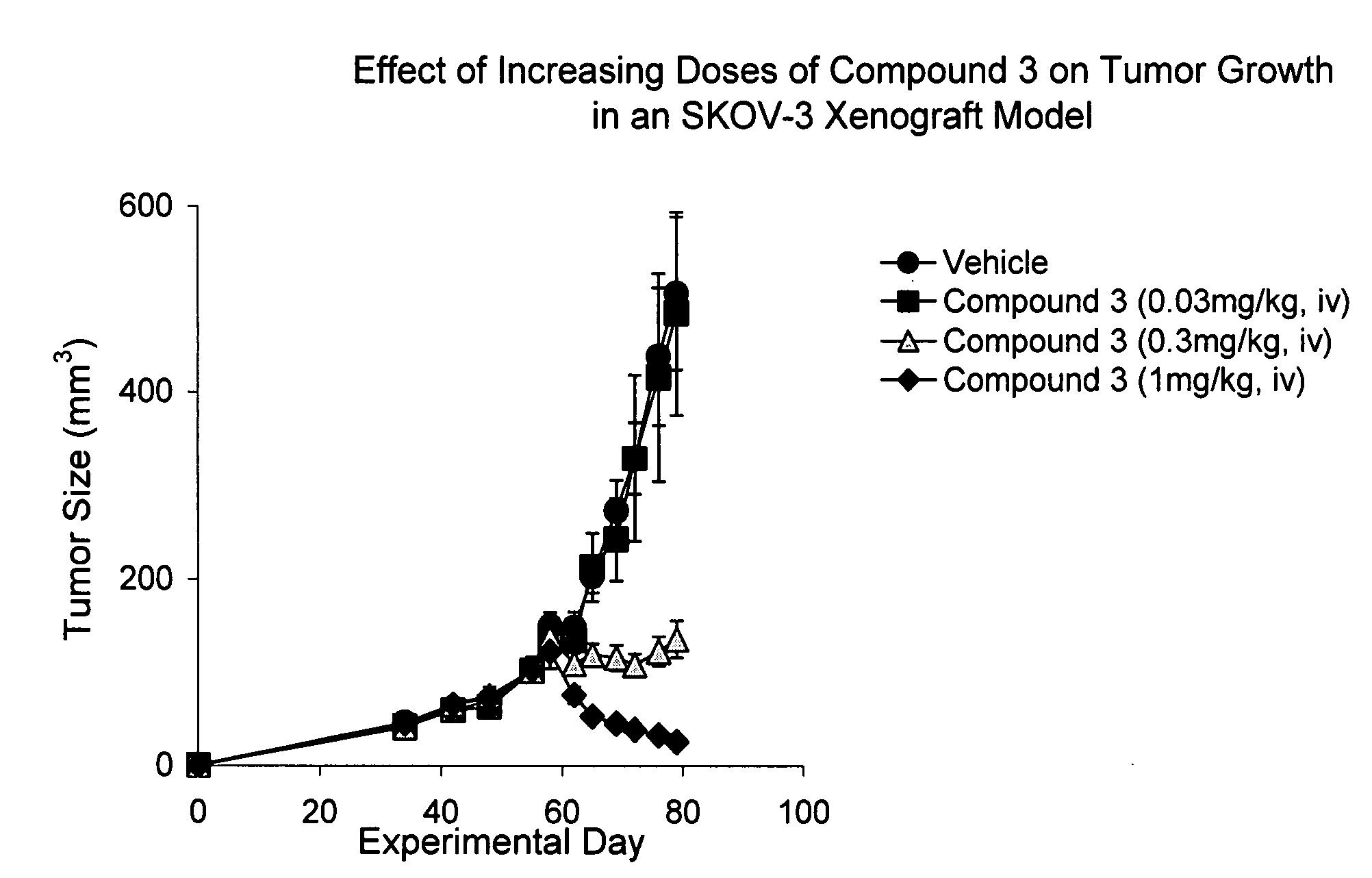
Figure 1 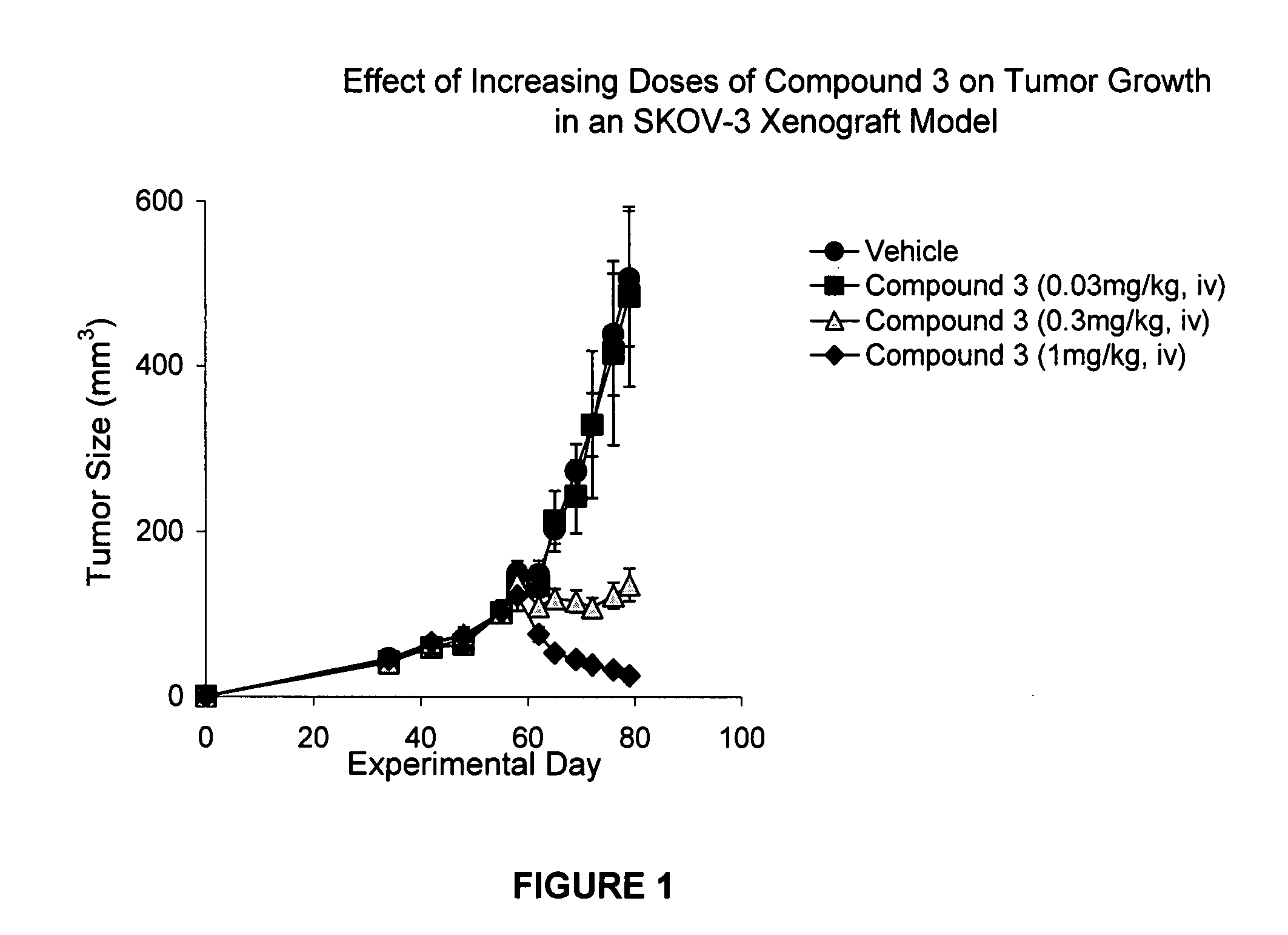
Figure 2 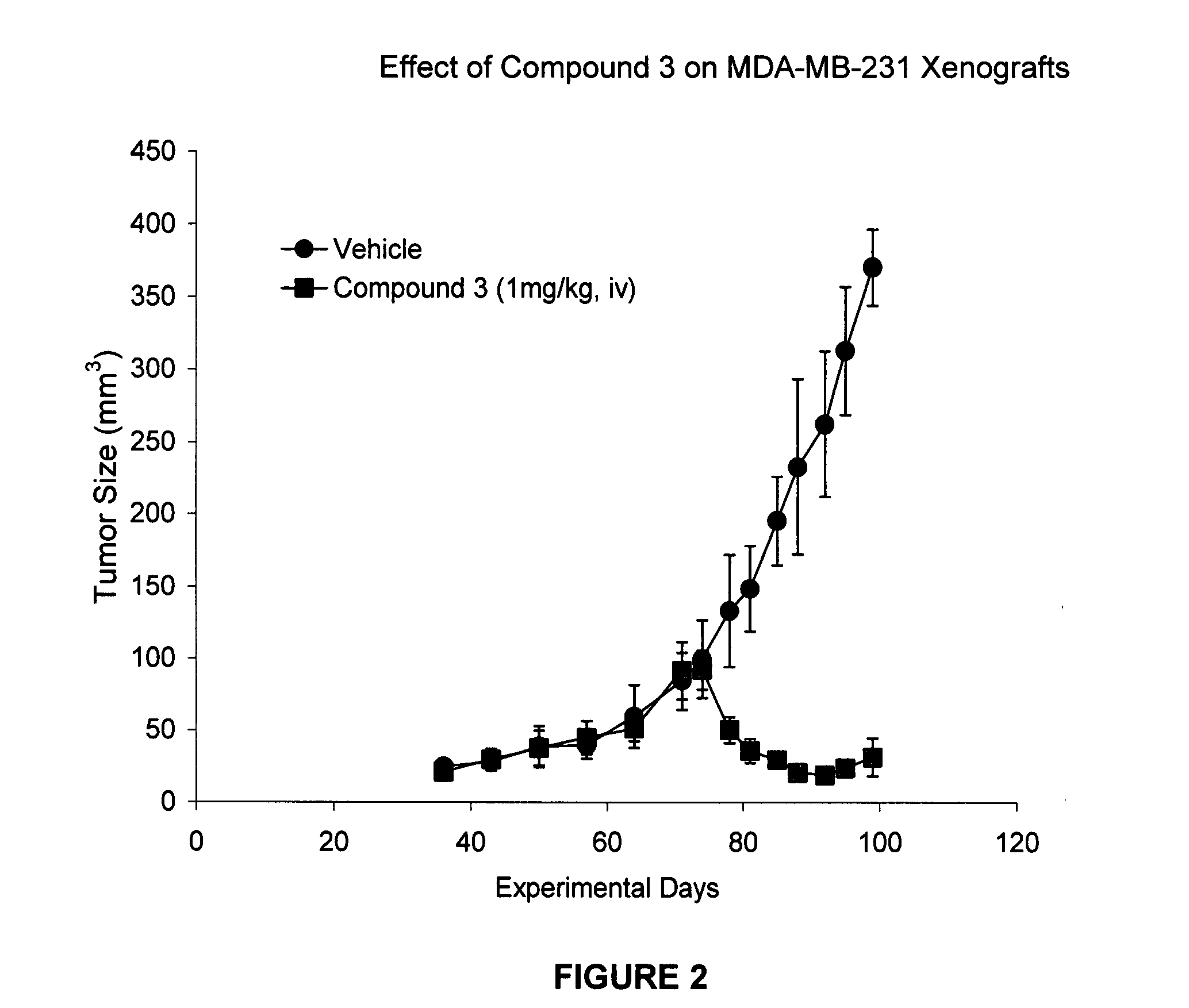
Figure 3
Abstract
Description
CROSS-REFERENCE TO RELATED APPLICATIONS
[0001] Applicants hereby claim benefit from previously filed U.S. Provisional Patent Application Nos 60 / 782,523, filed Mar. 16, 2006 and 60 / 876,994, filed Dec. 26, 2006, the entire contents of which are hereby incorporated by reference.FIELD OF THE INVENTION
[0002] The present invention concerns bridged compounds that bind to IAP BIR domains, and which are useful for treating proliferative disorders and disorders of dysregulated apoptosis, such as cancer.BACKGROUND OF THE INVENTION
[0003] Apoptosis, or programmed cell death, typically occurs in the normal development and maintenance of healthy tissues in multicellular organisms. It is a complex process which results in the removal of damaged, diseased or developmentally redundant cells, in the absence of signs of inflammation or necrosis.
[0004] Intrinsic apoptotic pathways are known to be dysregulated, most particularly in cancer and lymphoproliferative syndromes, as well as autoimmune disorders such...
Examples
examples
[0886]The following abbreviations are used throughout:[0887]Boc: t-butoxycarbonyl;[0888]CBz: benzyloxycarbonyl;[0889]DCM: dichloromethane, CH2Cl2;[0890]DIPEA: diisopropylethylamine;[0891]DMAP: 4-(dimethylamino)pyridine;[0892]DMF: N,N-dimethylformamide;[0893]DTT: dithiothreitol;[0894]EDC: 3-dimethylaminopropyl-3-ethylcarbodiimide hydrochloride;[0895]EDTA: ethylenediaminetetracetic acid;[0896]Fmoc: N-(9-fluorenylmethoxycarbonyl);[0897]HBTU: O-(benzotriazol-1-yl)-N,N,N′,N′-tetramethyluronium hexafluorophosphate;[0898]HCl: hydrochloric acid;[0899]HOAc: acetic acid;[0900]HOBt: 1-hydroxybenzotriazole; HPLC: high performance liquid chromatography;[0901]LCMS: liquid chromatography-mass spectrometer;[0902]MeOH: methanol;[0903]MgSO4: magnesium sulfate;[0904]MS: mass spectrum;[0905]NaHCO3: sodium hydrogen carbonate;[0906]Pd / C: palladium on carbon;[0907]TEA: triethylamine;[0908]THF: tetrahydrofuran; and[0909]TMEDA: N,N,N,N-tetramethylethylenediamine.