
Cancer markers and methods of use thereof
Patent Information
- Authority / Receiving Office
- US · United States
- Current Assignee / Owner
- Publication Date
- 2016-09-22
Smart Images
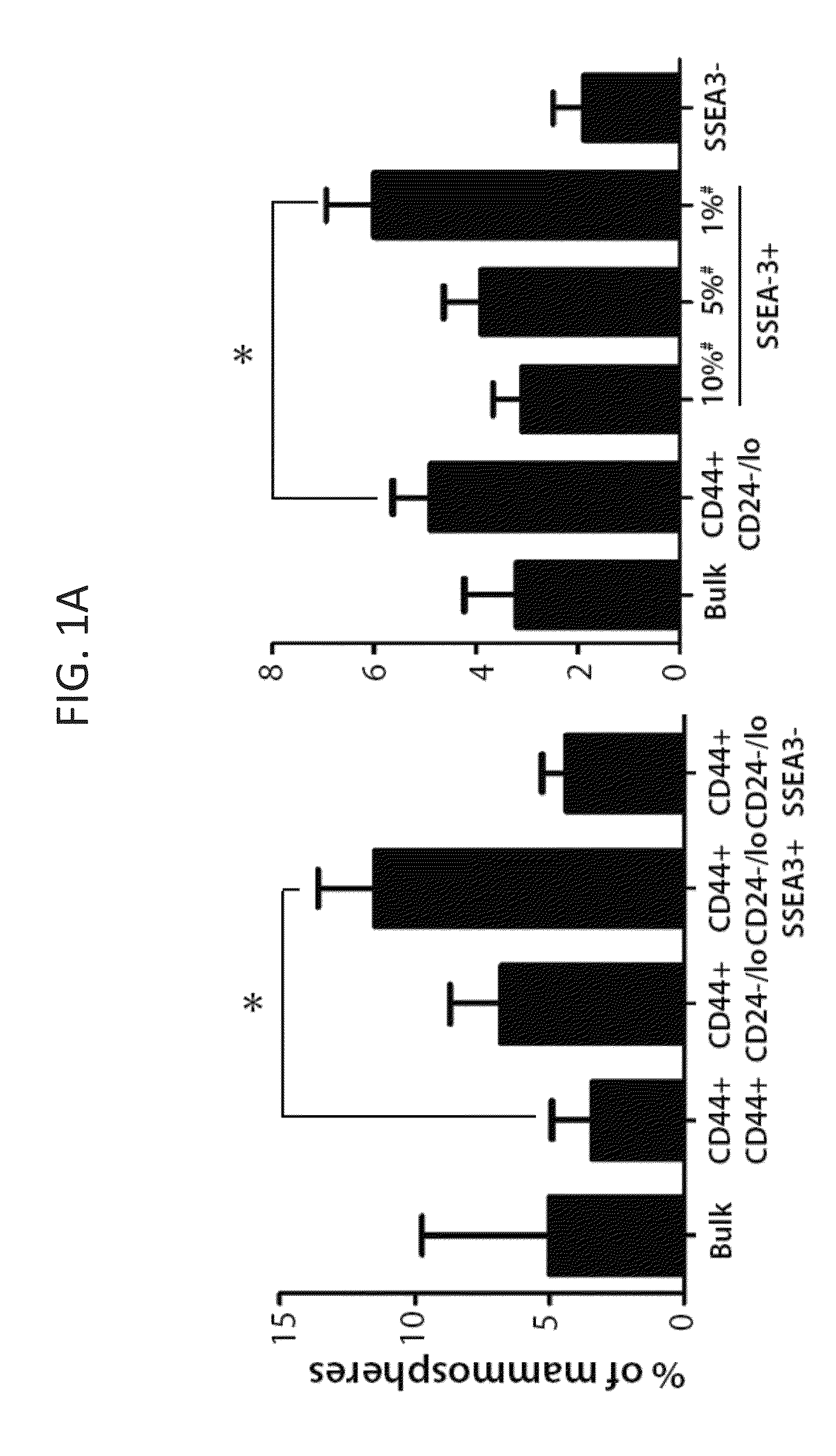
Figure 1 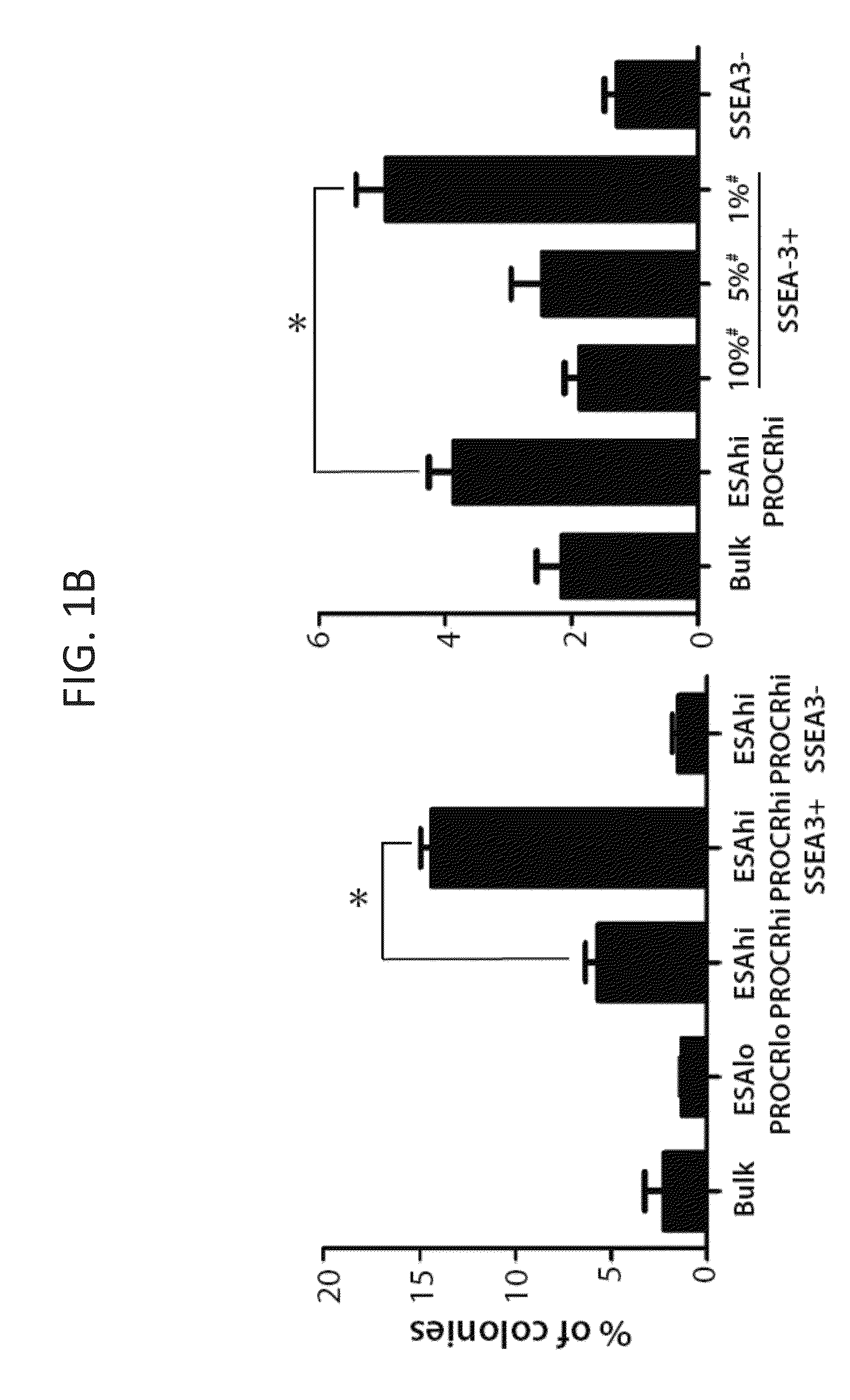
Figure 2 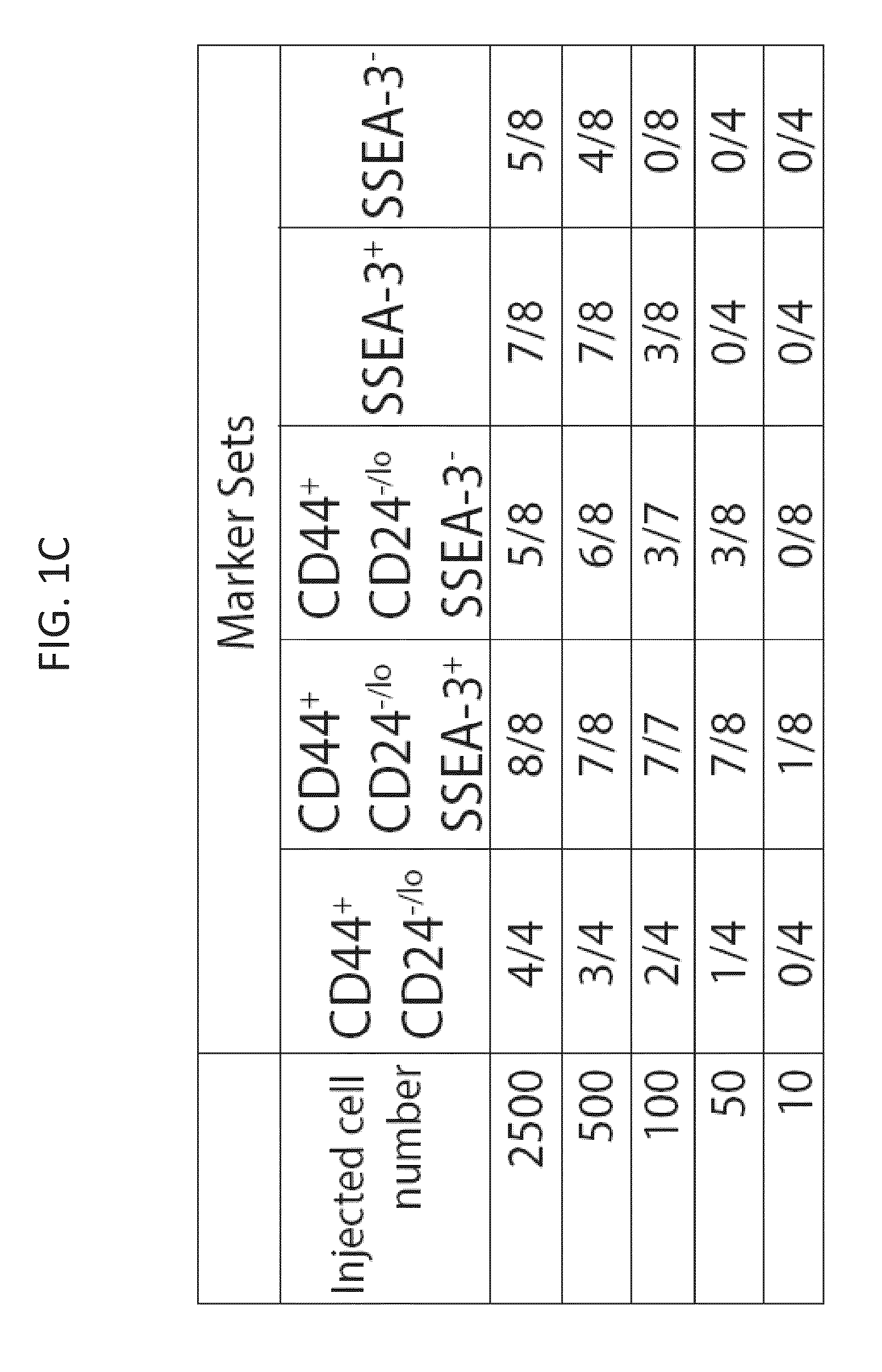
Figure 3
Abstract
Description
RELATED APPLICATIONS
[0001] This application claims the benefit of priority to U.S. Ser. No. 62 / 107,378 filed Jan. 24, 2015 and U.S. Ser. No. 62 / 266,514, filed Dec. 11, 2015, and claims the benefit of priority of, and is a continuation-in-part of U.S. Ser. No. 14 / 599,174, filed Jan. 16, 2015. The content of each of which is incorporated herein.FIELD
[0002] The present disclosure relates to methods and compositions useful for modulating the globoseries glycosphingolipid synthesis as well as markers useful for selecting cancer stem cells. Particularly, the present disclosure is directed to glycoenzyme inhibitor compound and compositions and methods of use thereof that can modulate the synthesis of globoseries glycosphingolipid SSEA-3 / SSEA-4 / GloboH in the biosynthetic pathway; particularly, the glycoenzyme inhibitors target the alpha-4GalT; beta-4GalNAcT-I; or beta-3GalT-V enzymes in the globoseries synthetic pathway. Additionally, the present disclosure is also directed to vaccines, antib...
Examples
example 1
Exemplary Syntheses of SSEA3 Analogues
[0471]
[0472]The combined compounds Gb4 analog, ATP, UTP, galactose analog, phosphoenolpyruvate, MgCl2 with enzymes galactokinase (GalK), UDP-sugar pyrophosphorylase (AtUSP), β-1,3-galactosyltransferase (LgtD), pyruvate kinase (PK), and inorganic pyrophosphatase (PPA) in the solution, and the reaction was initiated at room temperature with the pH controlled at 7.0, and the reaction was monitored by TLC until no more product could be observed. After completion of the reaction, the proteins in the reaction mixture were removed by heating for 30 min followed by centrifugation and filtration with 0.22 μM filter. The filtrate was then purified by C-18 gel chromatography. Fractions were collected and monitored by TLC.
example 2
Exemplary Syntheses of SSEA4 Analogues
Method 1: Chemical Synthesis of SSEA4-Gc
[0473]Compound 1-6 were prepared by literature reported methods. To a solution of acceptor 3 (93 mg, 0.045 mmol) and imidates 6 (76 mg, 0.068 mmol) in 6 mL of dichloromethane (CH2Cl2) was added powdered molecular sieves (4 A, 0.5 g). The mixture was stirred at room temperature for 2 h. After cooled to −10° C., TMSOTf (5 μL, 0.03 mmol) was added, and the mixture was stirred at 5° C. (cold room) overnight. The reaction mixture was quenched by the addition of triethylamine (0.5 mL), diluted with CH2Cl2 and filtered through a pad of celite. The filtrate was washed with saturated sodium bicarbonate (NaHCO3) aqueous solution, dried over sodium sulfate (Na2SO4), filtered, and concentrated. The residue was purified by flash silica get chromatography (50-100% EtOAc in Hexane) to afford hexasaccharide 7 contaminated with impurities from disaccharide imidates 6. The yield is estimated by NMR (90 mg, 68%).
[0474]To a s...
example 3
Synthesis of SSEA-3 / SSEA-4 Derivatives DT-Conjugates
General Methods:
[0477]Step A. To Modify SSEA3 Analog-NH2 or SSEA4 Analog-NH2 into SSEA3 Analog-SH or SSEA4-Analog-SH
[0478]To synthesize SSEA3 / 4 analog DT-conjugates, the amine-terminated SSEA3 / 4 analog were reacted with the DTSSP linker in PBS buffer (pH 7.4) at room temperature. To monitor the pH value of solution by pH paper, and add some NaOH solution to the solution when the solution became neuter or acid. After the reaction was stirred at room temperature for 12 hours, DTT was added to the solution at room temperature. The solution was kept stirring at 40□, and then the solvent was removed under reduced pressure. The residue was purified by LH-20 column chromatography to give SSEA3 / 4 analog-SH.
Step B: To Modify CRM197 into CRM197-Maleimide.
[0479]After the salt of commercial CRM197 (1.0 mg) was removed via alternate dissolving in water and dialyzing (Amicon Ultra-0.5, 10 kDa), the residue was dissolved in PBS buffer (pH 6.5, 1....