
Ophthalmic Formulations and Uses Thereof
Patent Information
- Authority / Receiving Office
- US · United States
- Current Assignee / Owner
- Publication Date
- 2021-05-27
Smart Images
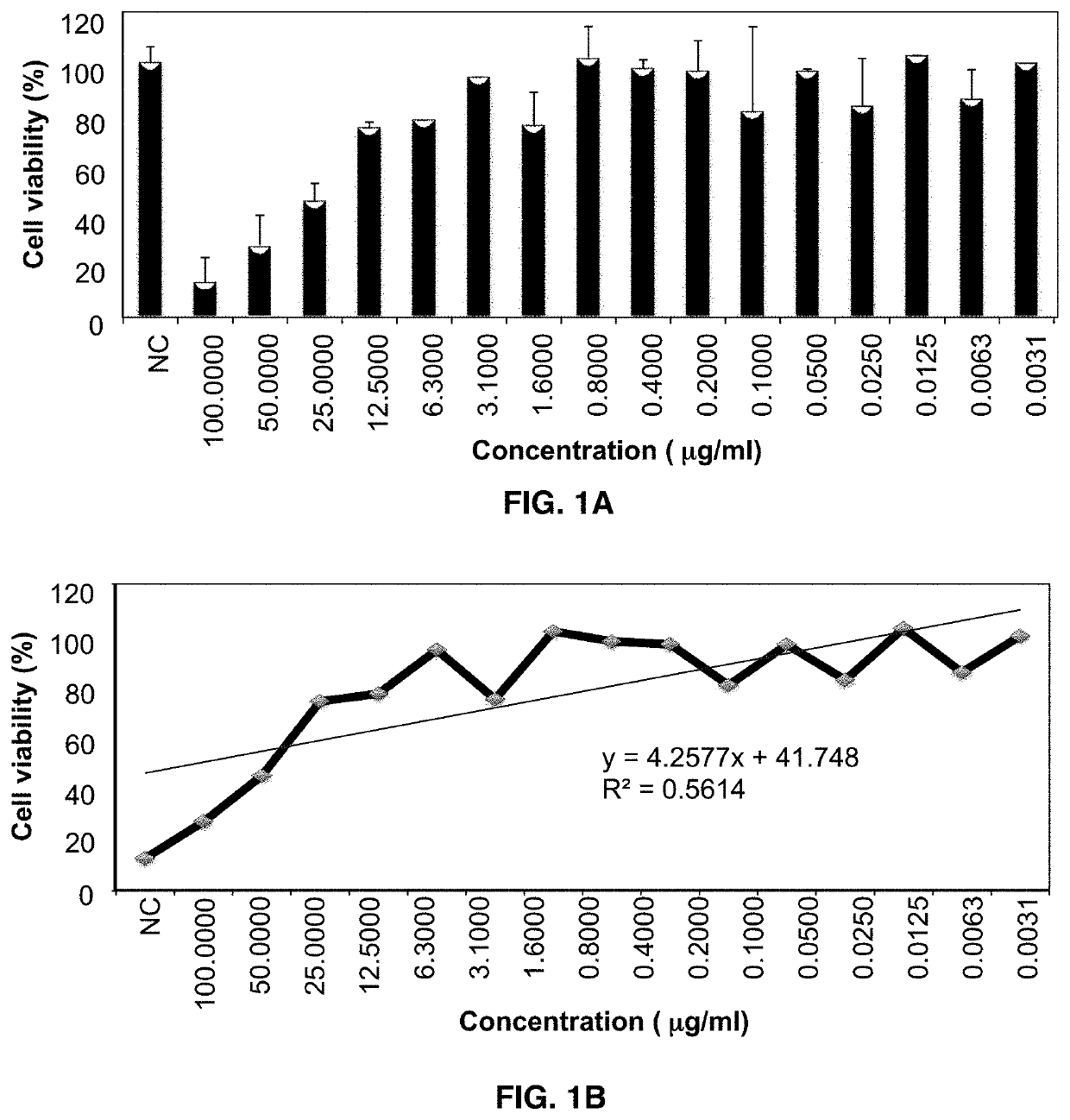
Figure 1 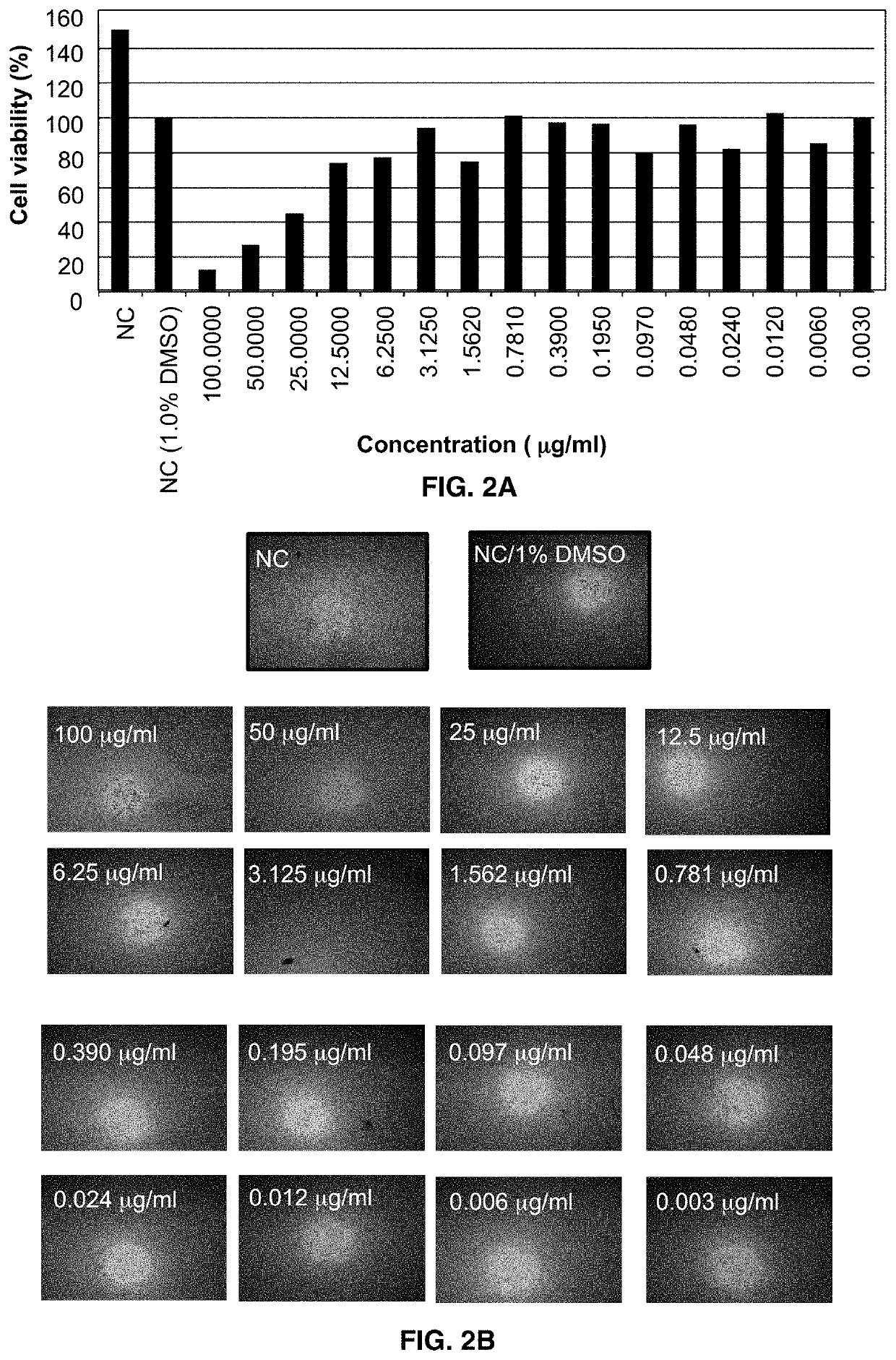
Figure 2 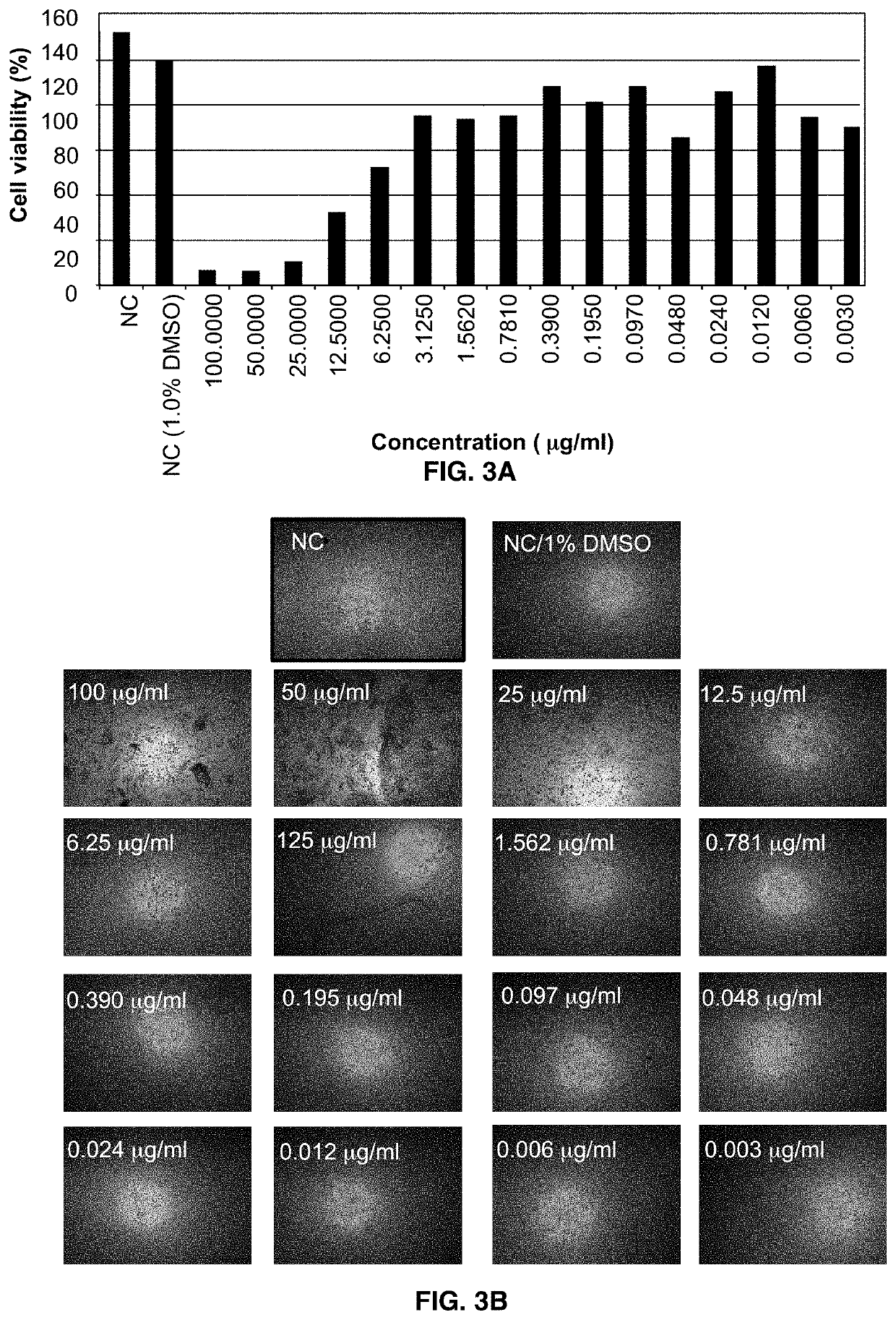
Figure 3
Abstract
Description
CROSS-REFERENCE TO RELATED APPLICATIONS
[0001] This application is a continuation under 35 U.S.C § 120 of pending international patent application PCT / US2019 / 042368, filed Jul. 18, 2019, which claims benefit of priority under 35 U.S.C. § 119(a) of Turkish Application No. 2018 / 11088, filed Jul. 31, 2018, the entirety of which is hereby incorporated by reference.BACKGROUND OF THE INVENTIONField of the Invention
[0002] The invention relates to ophthalmic formulations and eye health. More specifically the present invention is directed to ophthalmic formulations for activating telomerase and methods for increasing the viability of corneal tissues or cells by activating telomerase.Description of the Related Art
[0003] The eye is one of the first sensory organs to experience the signs of aging. While natural age-related changes may have direct impact on vision, age related illnesses unrelated with the eye can also impact the eye. Astigmatism, myopia, hypermetropia, presbyopia, hordeolum, glaucom...
Examples
example 1
Preparation of Eye Drop Formulation
I. Chemicals
[0055]1. Hydroxypropyl methyl cellulose (HPMC), Pharma Grade, H3785 SIGMA-ALDRICH
2. Benzalkonium Chloride, Pharma Grade, 12063 SIGMA-ALDRICH
[0056]3. EDTA Disodium Salt 2-hydrate, Pharma Grade, 141669 APPLICHEM
4. Dimethyl Sulfoxide (DMSO), Pharma Grade, 191954 APPLICHEM
[0057]5. 0.9% (w / v) Isotonic sodium chloride solution for infusion
6. Cycloastragenol (Active Compound), Bionorm Natural Products Co. Ltd.
Devices
1. Esco Labculture® Class 2 Type 2a Biosafety Cabinet
[0058]2. ORION 5-STAR pH / ISE / Conductivity / DO Benchtop Multiparameter Meter
3. BROOKFIELD DV-E Viscometer
Formulation Eye Drop Content
[0059]1. (Hydroxypropyl) methyl cellulose (HPMC): 0.125% (w / v), 1.25 mg / mL
2. Benzalkonium Chloride: 0.01% (w / v), 0.1 mg / mL
3. EDTA Disodium Salt 2-hydrate: 0.01% (w / v), 0.1 mg / mL
4. 0.9% Isotonic Sodium Chloride Solution for infusion
5. Active compound active dose range: Cycloastragenol, 3 to 500 ng / mL
Preparation of the Hydroxypropyl Methyl Cellulose (HP...
example 2
Cell Culture Studies
[0077]All experiments were designed and carried out in a randomized, double blind manner using placebos.
Cytotoxicity Analysis
[0078]Corneal endothelial cell HCEC-B4G12 was used to determine in vitro effects of Formulation eye drop formulation on cell viability. Cytotoxicity was analyzed using the 2,5-Diphenyltetrazolium Bromide (MTT) assay at cycloastragenol concentrations ranging from 3.1 ng / mL and 100 μg / mL.
Telomerase Activity
[0079]Effect of Formulation eye drop formulation on telomerase activity was evaluated in cornea endothelial cell HCEC-B4G12 using commercially available TeloTAGGG™ Telomerase PCR ELISA assay. The assay was performed 30 h after incubating the cells with the formulation containing 3.1 ng / mL to 100 μg / mL cycloastragenol.
Results
Cytotoxicity Analysis
[0080]The corneal cell line HCEC-B4G12 (DSMZ, ACC 647) was used to examine the dose and time dependent in vitro effect of the Formulation eye drop on cell viability of corneal endothelial cells as we...
example 3
Animal Studies
[0086]All experiments were designed and carried out in a randomized, double blind manner using placebos. Rabbits were housed for one week prior to the study, fed on standard laboratory food and allowed free access to water in a room at standard temperature and humidity conditions in a 12-h light / 12-h dark cycle.
TABLE 6Telomerase Enzyme ActivityTreatment% Telomerase Activity ± SDNC103.8 ± 4.7 Placebo100.00Concentration (ng / ML)10000 74.0 ± 10.4550054.38 ± 2.7825046.28 ± 2.0212543.14 ± 0.2462.51034.92 ± 69.41 31.25741.35 ± 38.4915.6148.94 ± 49.547.8114.42 ± 2.79 3.8 108 ± 5.27The corneal cell line HCEC-B4G12 was treated with the active compound (Formulation) in an eye drop. At a concentration range from 3.8 to 10000 ng / mL for 30 hours. Data were result of 3 independent experiments, each repeated thrice.
Animal Model and Surgical Procedure:
[0087]Rabbits were randomly divided and distributed into five groups:
Group N—negative control
Group A—placebo
Group B—Active compound (cy...