
Nitration or carboxylation catalysts
Patent Information
- Authority / Receiving Office
- US · United States
- Current Assignee / Owner
- Publication Date
- 2002-10-22
- Estimated Expiration
- Not applicable · inactive patent
Smart Images
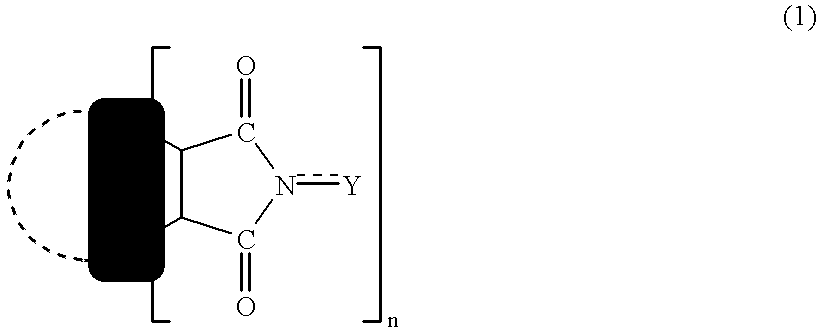
Figure 1 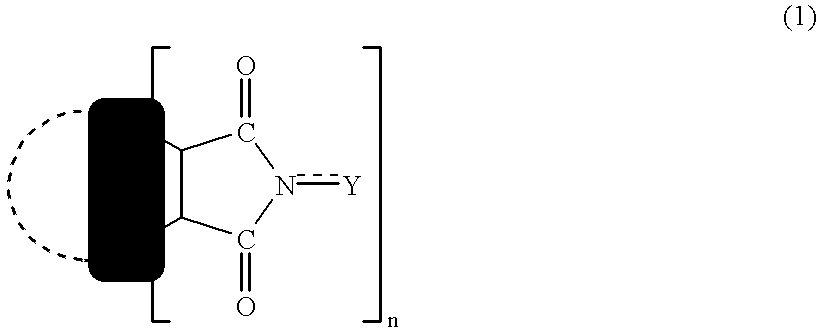
Figure 2 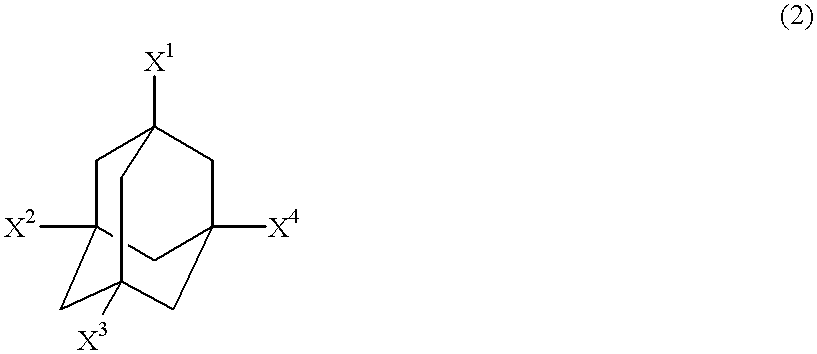
Figure 3
Abstract
Description
The present invention relates to a catalyst useful for directly and efficiently nitrating and / or carboxylating a substrate by using at least one reactant selected from (i) a nitrogen oxide and (ii) a mixture of carbon monoxide and oxygen, and a compound obtained by using the catalyst and a process for producing the compound (a nitration / carboxylation process, a process for producing a compound having a nitro group and / or carboxyl group, a novel adamantane derivative, and a process for producing an adamantane derivative) using the catalyst.Nitro compounds are commonly utilized as a raw material for medicine, agricultural chemicals, dyes, solvents and explosives, a raw material for amino compounds, and the like. Moreover, carboxylic acids (carboxy compounds) are useful as a raw material of a variety of compounds such as esters. Among them, dicarboxylic acids are useful as a raw material of polyesters.Nitration of hydrocarbons is generally conducted by a nitric acid process which emplo...
Examples
example 1
Into a flask, 1 mmole of adamantane, 0.05 mmole of N-hydroxyphthalimide and 5 ml of acetic acid were added to mix and then the flask was equipped with a gas bag (about 1L) of nitrogen monoxide NO. The mixture was reacted for 8 hours at 100.degree. C. with stirring. The reaction products were analyzed by gas chromatography, and, as a result, The conversion of adamantane was 95%, and nitroadamantane (yield 30%), adamantanol (yield 17%) and acetyloxyadamantane (yield 33%) were formed.
examples 2 to 5
Into a flask, 1 mmole of adamantane, 0.05 mmole of N-hydroxyphthalimide and 5 ml of the solvent represented in Table 1 were added to mix, and then the flask was equipped with a gas bag (about 1L) of nitrogen monoxide NO. The mixture was heated to 100.degree. C. with stirring. After the period of time shown in Table 1, the reaction products were analyzed by gas chromatography, and, as a result, nitro compounds were formed with conversions and yields represented in Table 1.
examples 6 to 8
Into a flask, 1 mmole of adamantane, 0.05 mmole of N-hydroxyphthalimide and 5 ml of the solvent shown in Table 2 were added to mix and the flask was purged by nitrogen monoxide NO (about 1L) and oxygen O.sub.2 (about 1L). The mixture was reacted for 10 hours at the temperatures shown in Table 2, with stirring. Reaction products were analyzed by gas chromatography, and, as a result, nitro compounds were formed with yields represented in Table 2.
Meanings of the symbols shown in Table 2 are as follows.