
Graft copolymer, thermoplastic resin composition comprising the graft copolymer, and those production method
Patent Information
- Authority / Receiving Office
- US · United States
- Current Assignee / Owner
- Publication Date
- 2010-03-25
- Estimated Expiration
- Not applicable · inactive patent
Smart Images
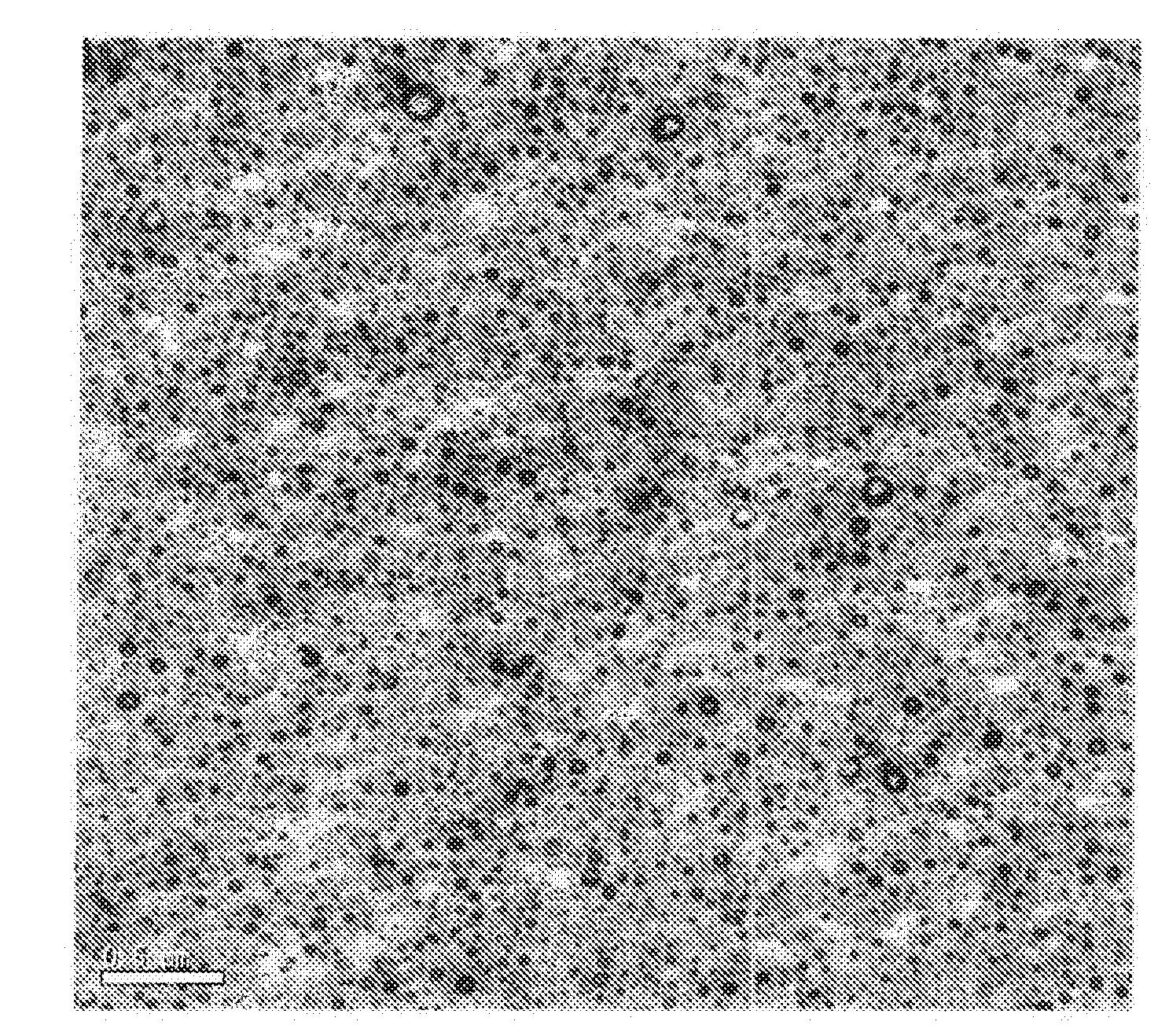
Figure 1 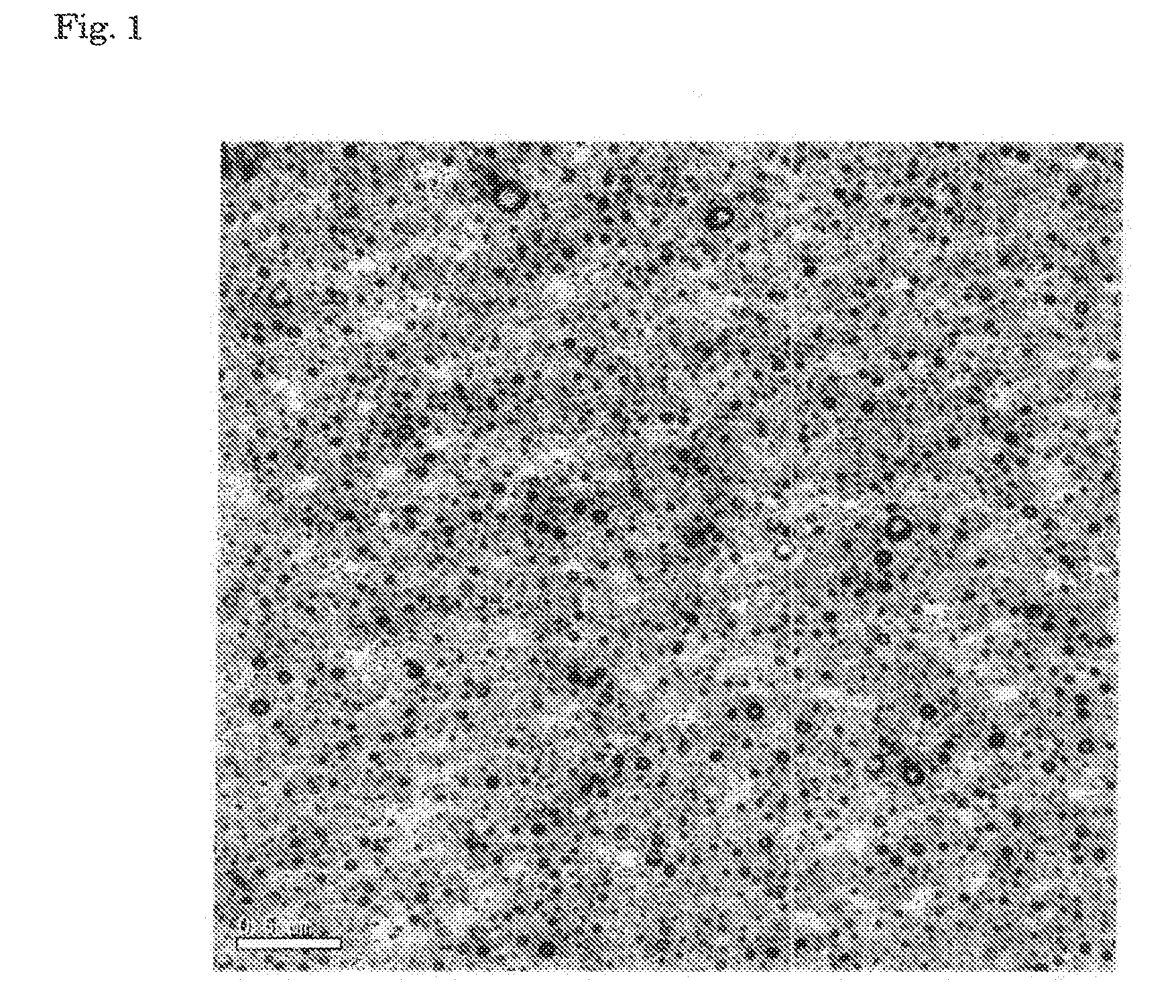
Figure 2 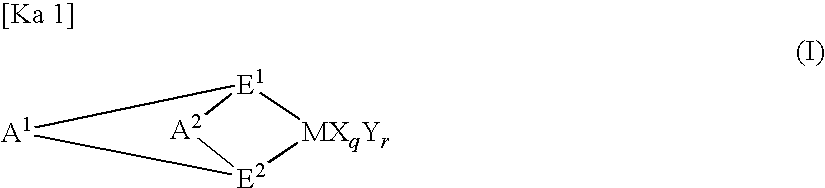
Figure 3
Abstract
Description
BACKGROUND OF THE INVENTION
[0001] The present invention relates to a production process for a graft copolymer or a thermoplastic resin composition containing the above copolymer, comprising graft-polymerizing a specific reactive polyolefin (or a combination of the above reactive polyolefin and a polyolefin other than the polyolefin) with a specific monomer under the presence of a radical initiator and further relates to a copolymer or a thermoplastic resin composition containing the above copolymer which is obtained by the above production process and a composition prepared by adding a thermoplastic resin and the like to the above copolymer or a thermoplastic resin composition containing the above copolymer.
[0002] In the present specification, the reactive polyolefin means a polyolefin which prepares efficiently a graft polymer with a radical initiator, and it shows, to be specific, a polyolefin having 0.5 or more terminal unsaturated group per molecule.
[0003] As can be found from the ...
Examples
production example 1
Synthesis of Transition Metal Compound
[0322](1,2′-Dimethylsilylene)(2,1′-dimethylsilylene)-bis(3-trimethylsilylmethylindenyl)zirconium dichloride was synthesized in the following manner.
[0323]A Schlenk bottle was charged with 3.0 g (6.97 mmol) of a lithium salt of (1,2′-dimethylsilylene)(2,1′-dimethylsilylene)-bis(indene) and dissolved in 50 ml of THF (tetrahydrofuran), and the solution was cooled to −78° C.
[0324]Iodomethyltrimethylsilane 2.1 ml (14.2 mmol) was slowly dropwise added thereto, and the solution was stirred at room temperature for 12 hours.
[0325]The solvent was removed by distillation, and 50 ml of ether was added thereto. The solution was washed with a saturated ammonium chloride solution.
[0326]After separating the liquid, the organic phase was dried to remove the solvent, whereby 3.04 g (5.88 mmol) of (1,2′-dimethylsilylene)(2,1′-dimethylsilylene)-bis(3-trimethylsilylmethylindene) was obtained (yield: 84%).
[0327]Next, a Schlenk bottle was charged with 3.04 g (5.88 mmo...
production example 2
Production (1) of Reactive Polypropylene
[0338]A stainless steel-made autoclave having a content volume of 1.4 L which was dried by heating was charged with 0.4 L of dried heptane, 1 ml of a heptane solution of triisobutylaluminum 0.5 mmol and 2 ml of a heptane slurry of dimethylaniliniumtetrakis(pentafluorophenyl) borate 1.5 μmol, and the mixture was stirred for 10 minutes while controlling at 50° C.
[0339]Further, 2 ml of a heptane slurry of (1,2′-dimethylsilylene)(2,1′-dimethylsilylene)-bis(3-trimethylsilylmethylindenyl)zirconium dichloride 0.5 μmol which was a transition metal compound complex prepared in Production Example 1 was added thereto.
[0340]Next, the temperature was elevated up to 70° C. while stirring, and a propylene gas was introduced thereinto up to 0.8 MPa at a full pressure.
[0341]The propylene gas was supplied by means of a pressure governor so that a pressure was constant during polymerization reaction to carry out polymerization for 120 minutes. Then, the solution...
production example 3
Production of Polypropylene
[0344]A stainless steel-made autoclave having a content volume of 1.4 L which was dried by heating was charged with 0.4 L of dried heptane, 1 ml of a heptane solution of triisobutylaluminum 1.0 mmol and methyl aluminoxane 2 mmol, and the mixture was stirred for 10 minutes while controlling at 50° C.
[0345]Further, 4 ml of a heptane slurry of (1,2′-dimethylsilylene)(2,1′-dimethylsilylene)-bis(3-trimethylsilylmethylindenyl)zirconium dichloride 2.0 μmol which was the transition metal compound complex prepared in Production Example 1 was added thereto.
[0346]Next, the temperature was elevated up to 60° C. while stirring, and hydrogen was pressurized at 0.1 MPa, followed by introducing a propylene gas thereinto up to 0.5 MPa.
[0347]The propylene gas was supplied by means of a pressure governor so that a pressure was constant during polymerization reaction to carry out polymerization for 60 minutes. Then, the solution was cooled to remove unreacted propylene by dep...