
Method for deeply analyzing data based on white list mechanism
A technology of in-depth analysis and whitelist, which is applied in the direction of electrical digital data processing, special data processing applications, instruments, etc., and can solve problems such as insufficient depth
- Summary
- Abstract
- Description
- Claims
- Application Information
AI Technical Summary
Problems solved by technology
Method used
Image

Examples
Embodiment Construction
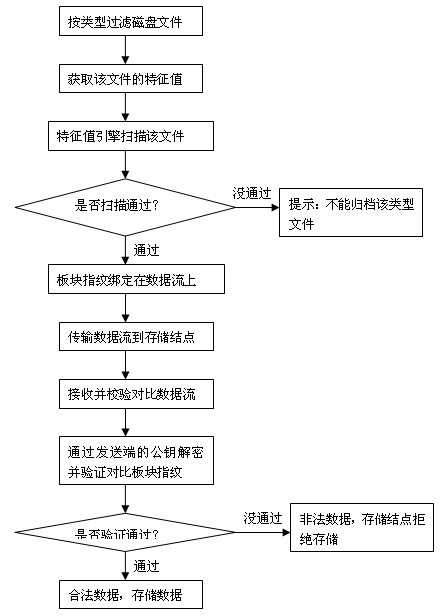
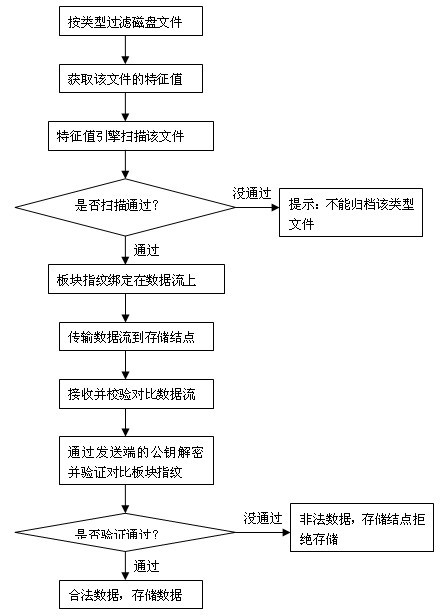
[0018] Further describe the technical scheme of the present invention below in conjunction with accompanying drawing, as figure 1 , a method for in-depth analysis of data based on a whitelist mechanism, characterized in that: comprising the following steps:
[0019] (1) Create a whitelist, and each entry in the whitelist corresponds to a valid file type;
[0020] (2) Establish a matching feature code list, and each entry in the matching feature code list represents a valid file type feature;
[0021] (3) Read in the data file to be parsed, check whether the type of the file has a corresponding registration item in the white list, and discard the file if no corresponding registration item is found;
[0022] (4) Read the feature code of the file that has passed the whitelist check, and check whether there is a corresponding registration item from the matching feature code list. If the corresponding registration item cannot be found, discard the file;
[0023] (5) Generate the ...
PUM
 Login to View More
 Abstract
Description
Claims
Application Information
 Login to View More