
Thinking-map-based e-learning resource recommendation method
A technology for online learning and recommendation methods, applied in special data processing applications, instruments, electronic digital data processing, etc., can solve the problems of lack of learning thinking, lack of network learning recommendation methods, and lack of automatic generation methods
- Summary
- Abstract
- Description
- Claims
- Application Information
AI Technical Summary
Problems solved by technology
Method used
Image

Examples
Embodiment Construction
[0085] In order to understand the present invention more clearly, the present invention will be further described in detail below in conjunction with the accompanying drawings. What has been described is by way of explanation, not limitation, of the invention.
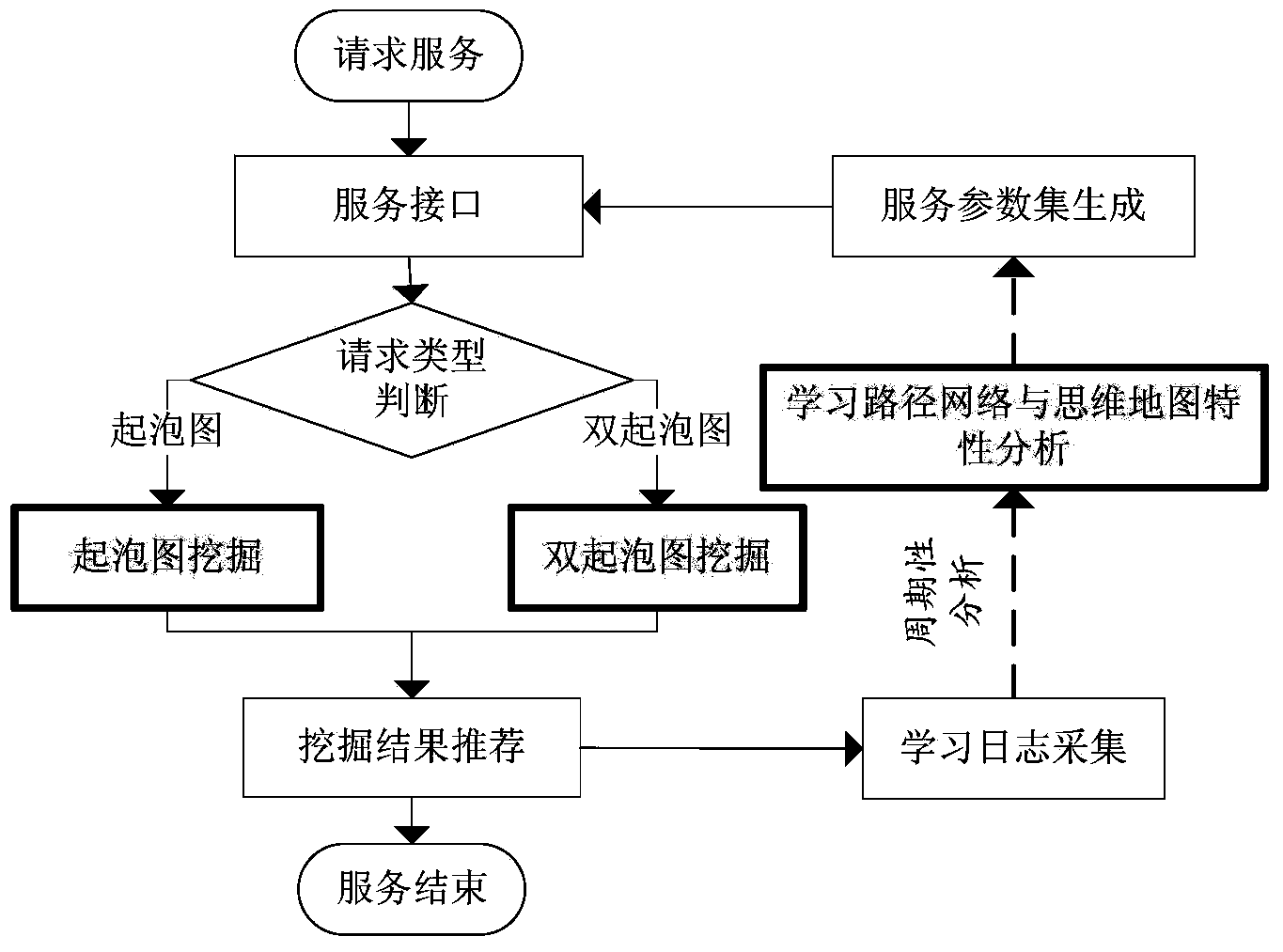
[0086] see figure 1 , a method for recommending network learning resources based on a mind map, including the following operations:
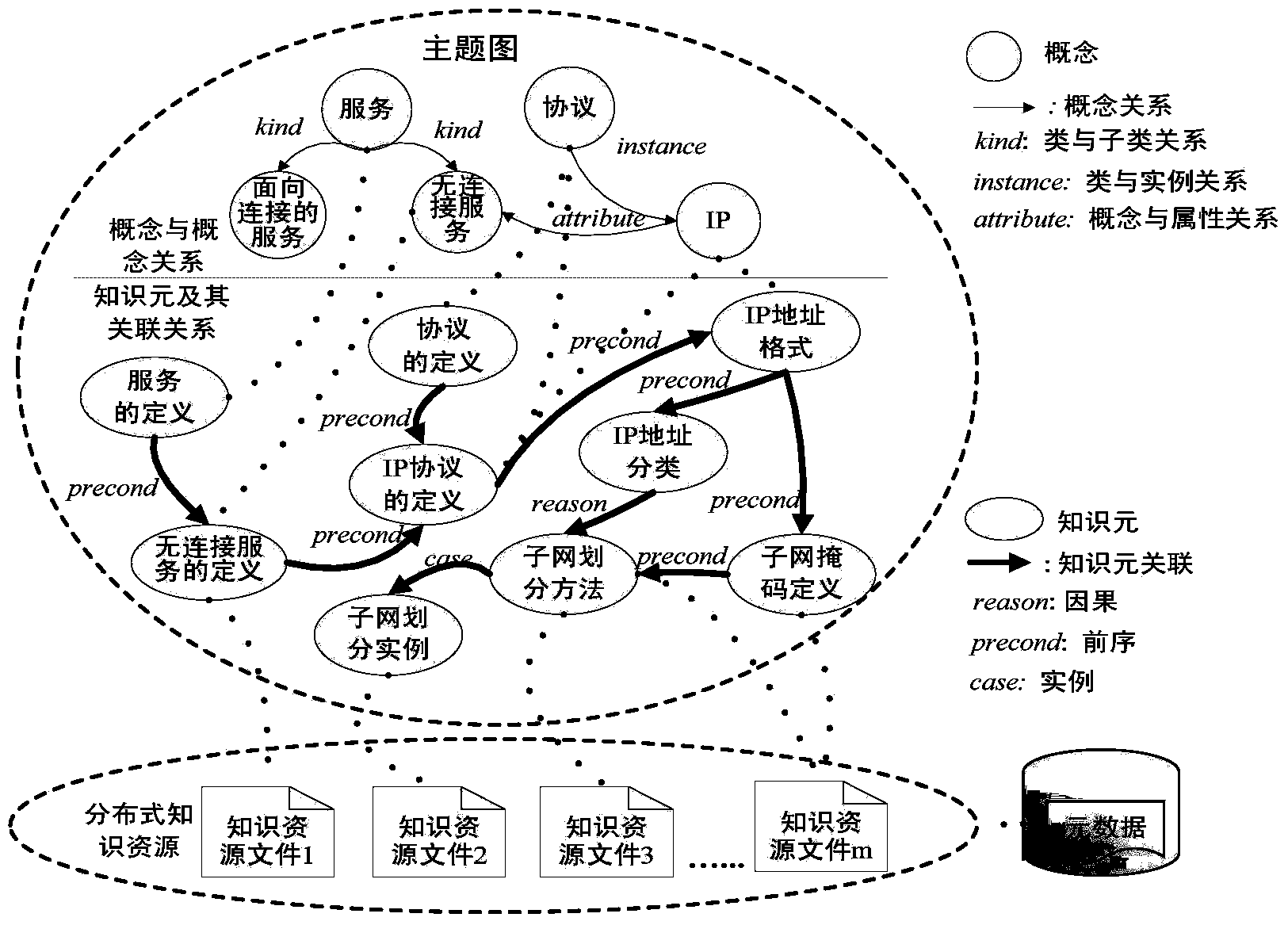
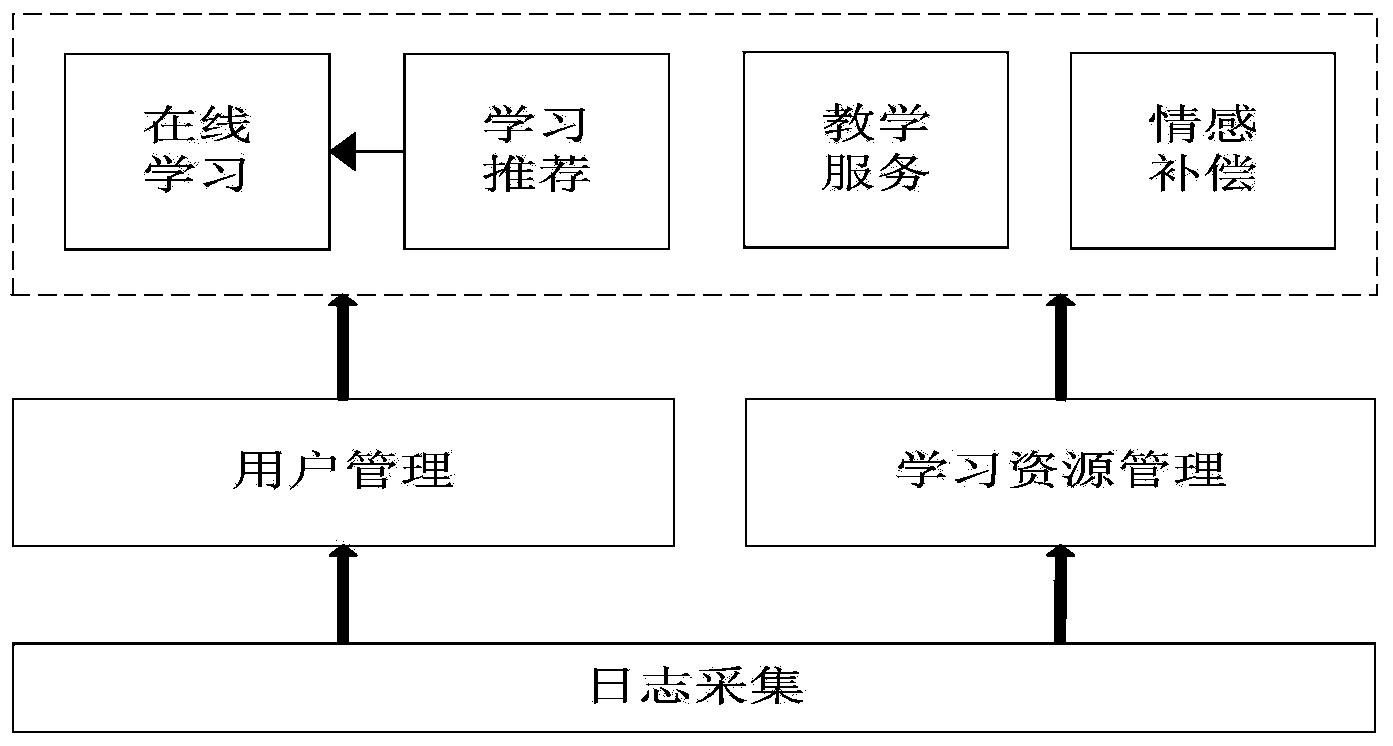
[0087] 1) Collect the learning behavior logs generated during the interaction between the learner and the network learning system based on the knowledge map, analyze the learning duration in the learning behavior logs, obtain the learning duration threshold, and filter the learning behavior logs with this threshold to obtain valid logs ;
[0088] 2) Construct a learning path network and learning transaction graph collection according to the filtered log data;
[0089] 3) Mining bubble graph or double bubble graph according to external service request, learning path network and learnin...
PUM
 Login to View More
 Abstract
Description
Claims
Application Information
 Login to View More