A noise-absorbing compressor for a medical nebulizer

A technology of compressors and atomizers, which is applied in the field of compressors, can solve the problems of unreasonable noise reduction structure, high noise, and heavy weight of compressors, and achieve the effects of simple structure, reduced airflow noise, and low cost

CN104712535BActive Publication Date: 2016-11-16DONGGUAN TIANCHANG ELECTROMECHANICAL MFG CO LTD
7 Cites 0 Cited by

Patent Information

Authority / Receiving Office
CN · China
Patent Type
Patents(China)
Current Assignee / Owner
Publication Date
2016-11-16

Smart Images

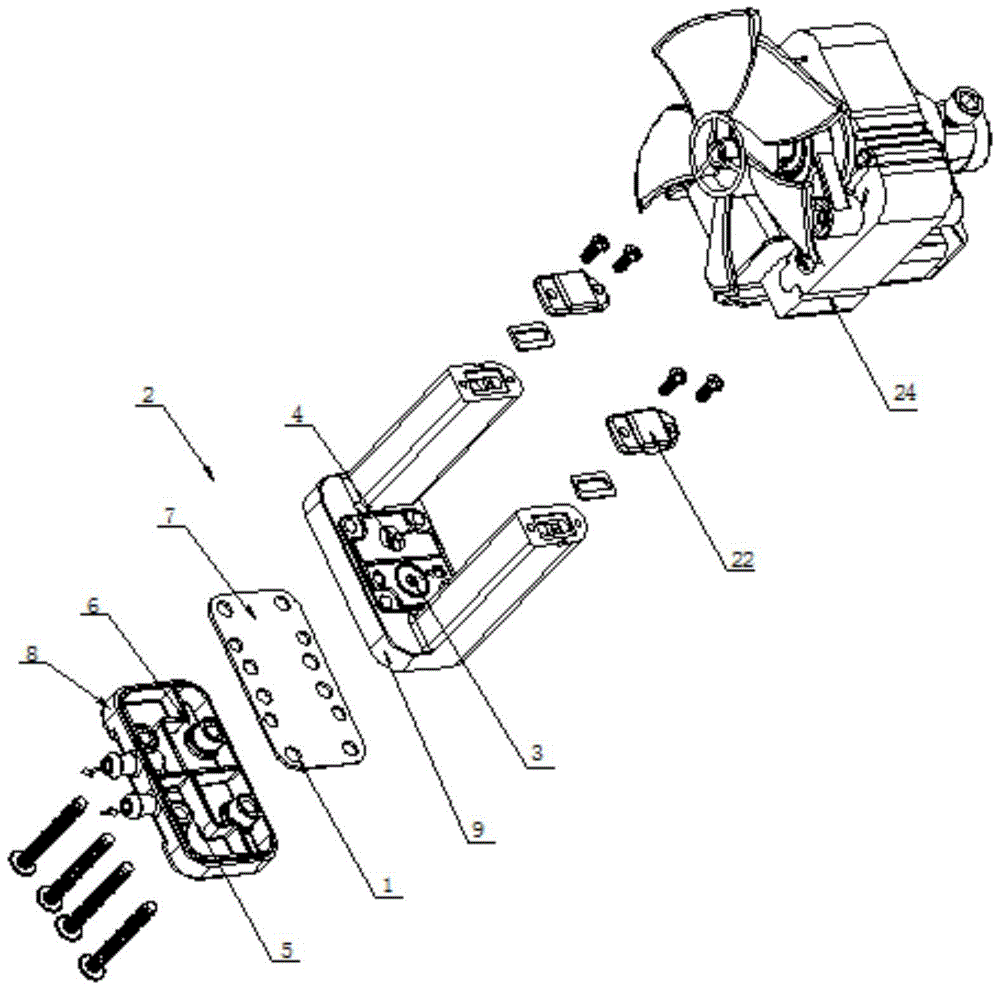
  • Figure 1
    Figure 1
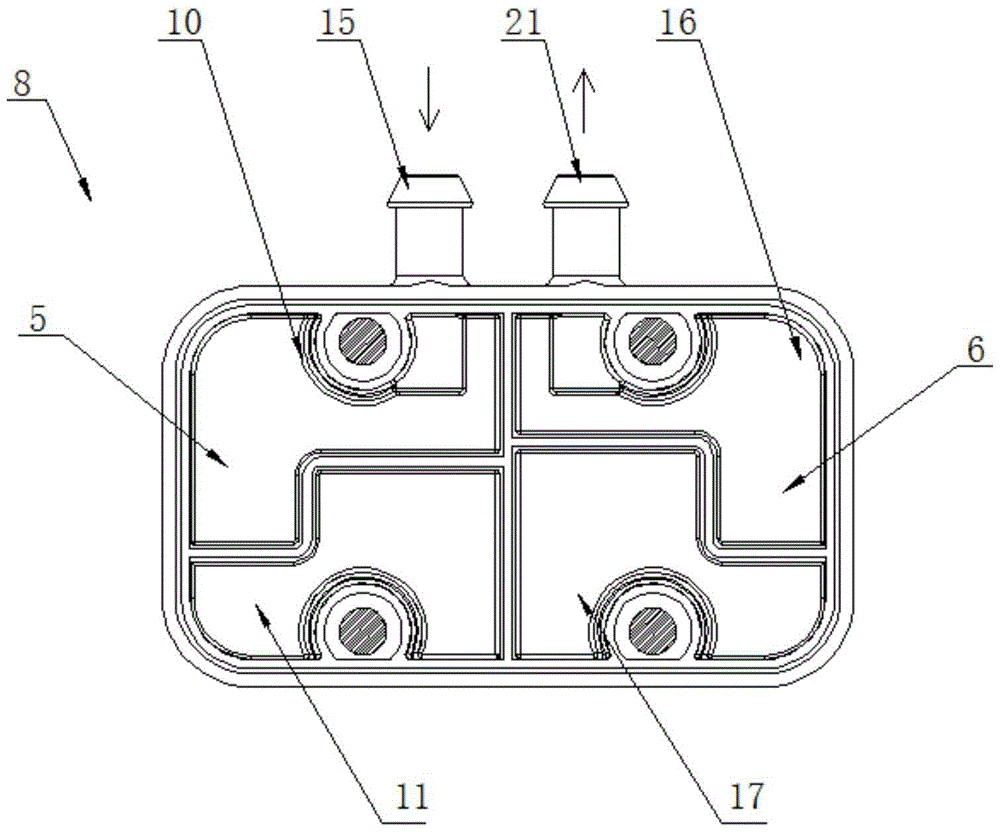
  • Figure 2
    Figure 2
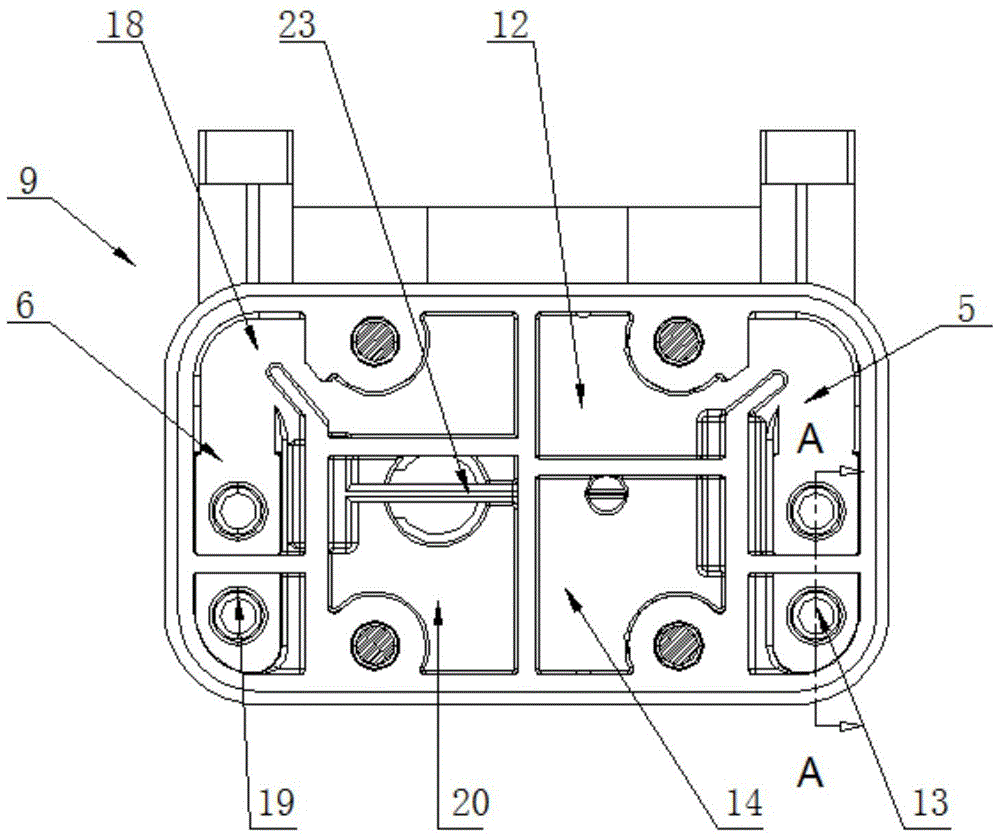
  • Figure 3
    Figure 3
Patent Text Reader

Abstract

The invention discloses a noise reduction compressor for a medical vaporizer, and belongs to the technical field of compressors. The noise reduction compressor comprises a compressor body and a noise reduction device, the noise reduction device comprises a noise reduction body, an air suction channel and an exhaust channel independent from the air suction channel are arranged in the noise reduction body, an exhaust opening of the air suction channel is communicated with an air suction opening of the compressor body, an air suction opening of the exhaust channel is communicated with an exhaust opening of the compressor body, an air suction cavity is formed in the air suction channel, an exhaust cavity is formed in the exhaust channel, elastic buffer membranes for separating the cavities into two independent cavities respectively are detachably arranged in the air suction cavity and the exhaust cavity, and air holes communicated with the independent cavities are formed in the elastic buffer membranes. The number of the noise reduction cavities can be increased exponentially through the arranged elastic buffer membranes, so that more noise reduction cavities are added in a small volume, gas pulsation and energy are reduced, noise is greatly reduced, and the advantages of being small in size, simple in structure and low in cost are achieved.
Need to check novelty before this filing date? Find Prior Art

Description

technical field

[0001] The invention belongs to the technical field of compressors, and in particular relates to a compressor with a sound-absorbing structure used for a medical nebulizer. Background technique

[0002] With the wide application of compressed air equipment, the noise of compressors has become an important source of noise pollution in the use environment, seriously affecting the user's experience of using compressed air equipment, especially medical equipment.

[0003] However, most medical equipment still has the problem of high noise, such as medical nebulizers, hyperbaric oxygen chambers, etc., which directly affect the patient's already bad mood, and then affect the recovery of the patient's condition.

[0004] In the prior art, the resonance cavity or the lengthening of the air flow channel are used to silence the sound, but the effect is not ideal. The resonance cavity requires at least two identical air cavities, and there are strict requirements on the...

Examples

Embodiment Construction

[0028] Hereinafter, preferred embodiments of the present invention will be described in detail with reference to the accompanying drawings. It should be understood that the preferred embodiments are only for illustrating the present invention, but not for limiting the protection scope of the present invention.

[0029] Such as Figure 1 to Figure 4 As shown, the present embodiment includes a compressor 24 and a noise reduction device communicated with the compressor. The noise reduction device includes a noise reduction body 2, and a suction passage and an exhaust passage independent of each other are arranged in the noise reduction body. The exhaust port 3 of the passage communicates with the suction port of the compressor, and the outside air is sucked into the compressor through the suction passage, and the suction port 4 of the exhaust passage communicates with the exhaust port of the compressor, and the compressed air is sucked into the compressor. Exhaust channel, and t...