
Method for catalytic conversion of alkyl cyclohexanol and alkyl cyclohexanone from air oxidized alkyl cyclohexane
A technology for alkyl cyclohexanol and cyclohexane is applied in the field of catalyzing air oxidation of alkyl cyclohexane into alkyl cyclohexanol and alkyl cyclohexanone, which can solve problems such as high price and achieve the effect of reducing production cost
Patent Information
- Authority / Receiving Office
- CN · China
- Patent Type
- Patents(China)
- Current Assignee / Owner
- Publication Date
- 2008-07-16
- Estimated Expiration
- Not applicable · inactive patent
Smart Images
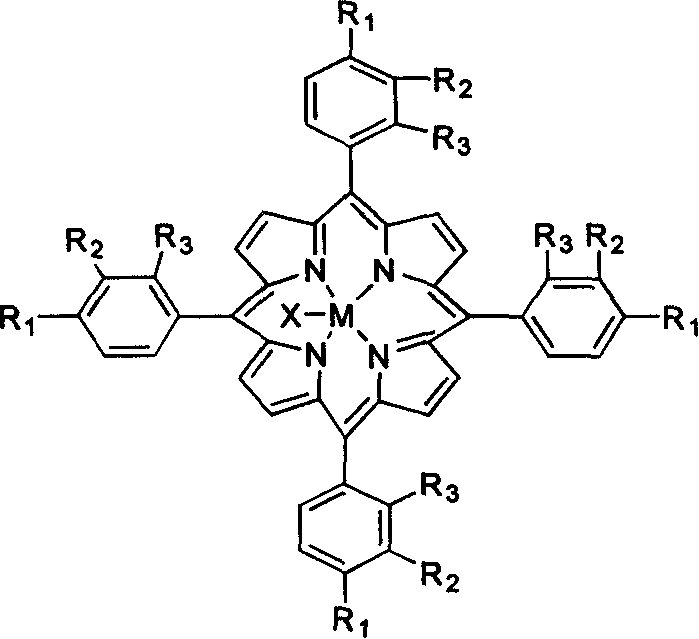
Figure 1 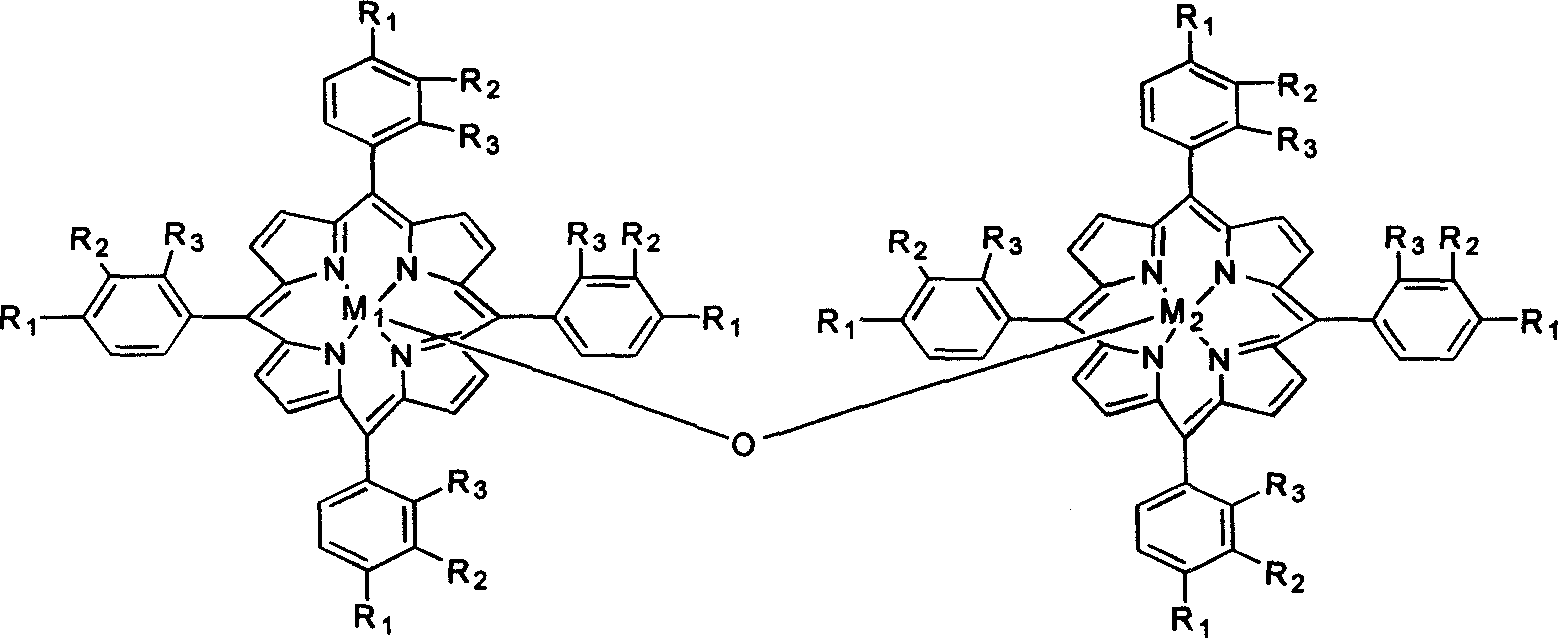
Figure 2 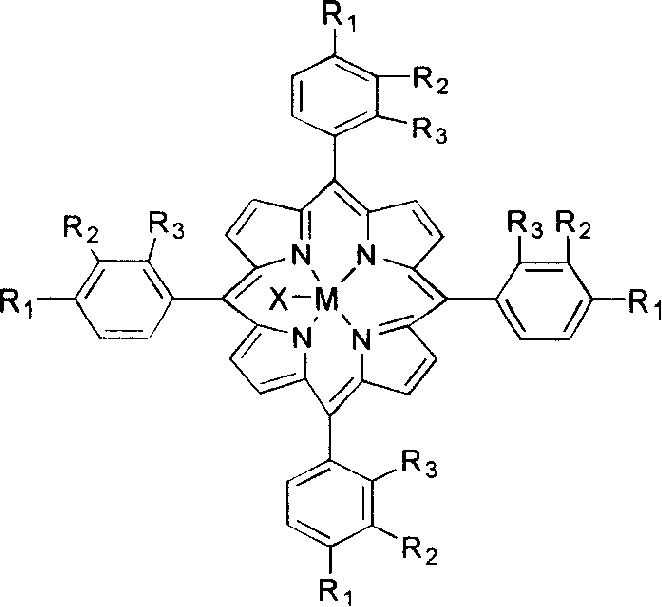
Figure 3
Abstract
Description
Technical field:
[0001] The present invention relates to the method for catalytic air oxidation of alkyl cyclohexane to alkyl cyclohexanol and alkyl cyclohexanone Background technique
[0002] Alkyl cyclohexanol and alkyl cyclohexanone are widely used as important intermediates of medicine, pesticide and fine chemical industry because of their better fat solubility than cyclohexanol and cyclohexanone. At present, industrially, alkylcyclohexanols are mainly prepared by hydrogenation of corresponding alkylphenols, while alkylcyclohexanones are produced by nucleophilic substitution of cyclohexanone and halogenated hydrocarbons or by cyclohexenone and alkyl copper lithium The reagents are prepared by nucleophilic addition. WO0214255 discloses a method for preparing methylcyclohexanol by hydrogenating methylphenol, and CH595309 discloses a method for preparing methylcyclohexanone by directly hydrogenating methylphenol. These methods for preparing alkylcyclohexanol and alkylcycl...
Examples
Embodiment 1
[0018] With 3 mg of metalloporphyrins of general formula (I), R 1 =R 2 =R 3 =CH 3 , M=Mn, add 400ml of methylcyclohexane, and pass through 6atm air. The reactant was stirred at 130° C. for 4 hours, the conversion rate of methylcyclohexane was 18.2%, and the yield of alcohol and ketone in the reaction product was 95%.
Embodiment 2
[0020] With 1 mg of metalloporphyrins of general formula (II), R 1 =R 2 =R 3 =Cl,M 1 = M 2 =Fe, added to 500ml 1,4-dimethylcyclohexane, and 8atm air was introduced. The reactant was stirred at 160° C. for 4 hours, the conversion rate of 1,4-methylcyclohexane was 15.5%, and the yield of alcohol and ketone in the reaction product was 92%.
Embodiment 3
[0022] With 4 mg of metalloporphyrins of general formula (I), R 1 =R 2 =R 3 =Cl, M=Fe, and 15 mg CoCl 2 Add 500ml of methylcyclohexane, and pass through 10atm air. The reactant was stirred at 140° C. for 3 hours, the conversion rate of methylcyclohexane was 22.5%, and the yield of alcohol and ketone in the reaction product was 86%.