
Preparation method and application of silk bracket, and three-phase silk ligament graft and preparation method thereof
A technology of grafts and silk, which is applied in the field of medical tissue engineering and preparation of tissue engineering ligaments, can solve the problems of unsatisfactory mechanical properties of ligaments, small porosity of silk fibers, and poor bonding, so as to improve biomechanical properties and not easily The effect of pulling out and avoiding the concentration of stress
Patent Information
- Authority / Receiving Office
- CN · China
- Patent Type
- Patents(China)
- Current Assignee / Owner
- Publication Date
- 2015-04-15
- Estimated Expiration
- Not applicable · inactive patent
Smart Images
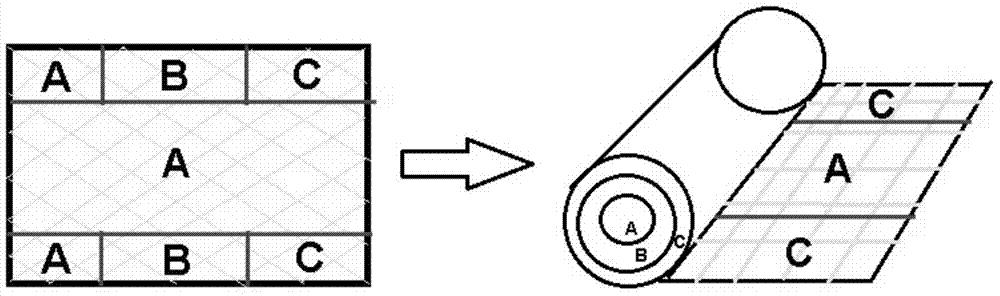
Figure 1 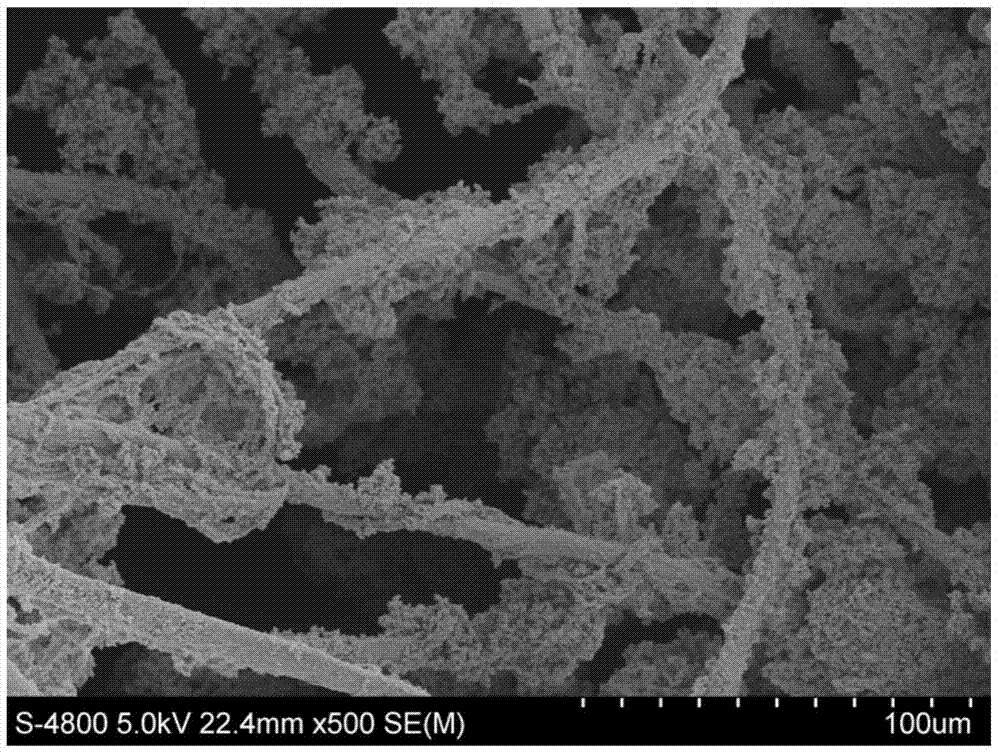
Figure 2 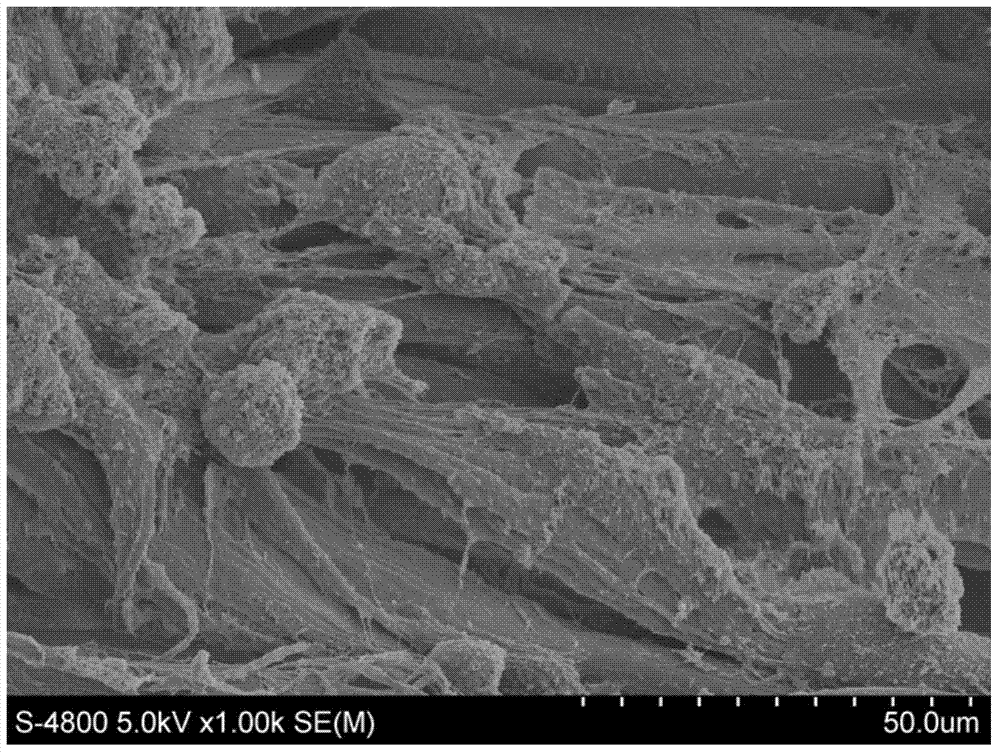
Figure 3
Abstract
Description
technical field
[0001] The invention belongs to the field of medical tissue engineering, in particular to the field of preparation of tissue engineering ligaments for reconstructing the anatomical structure of ligament-bone joints. Background technique
[0002] The anterior cruciate ligament (ACL) is an important intracapsular ligament of the knee joint, which plays a very important role in the normal movement and stability of the knee joint. Anterior cruciate ligament injury is a common disease of the knee joint. The very low ability to heal after an ACL injury results in the need for graft reconstruction in most patients. The sources of ligament grafts mainly include autologous or allogeneic ligament grafts and tissue engineered ligaments.
[0003] At present, autologous ligament transplantation is mostly used clinically, but the source of autologous ligament transplantation is insufficient, and autologous ligament transplantation will cause many complications after taki...
Examples
Embodiment Construction
[0053] The present invention will be further described below in conjunction with accompanying drawing.
[0054] An ideal tissue engineered ligament should have the following characteristics: ①The scaffold material has good biocompatibility; ②The tissue engineered ligament has sufficient mechanical strength and fatigue resistance; ③The maintenance time of the ligament strength must be long enough to benefit the ligament. Reconstruction; ④The ligament-bone junction needs to regenerate a typical four-layer structure of the ligament-bone junction (collagen fibers, fibrocartilage, calcified fibrocartilage, and bone), which is conducive to increasing the fixation strength of the ligament-bone junction and avoiding stress concentration; ⑤The seed cells can grow and proliferate on the scaffold material; ⑥The seed cells should be evenly distributed in the inner and outer layers of the ligament.
[0055] In order to meet the above requirements, biological reconstruction of tissue engine...