
Preparation method of sarpogrelate hydrochloride photodegradation impurities
A technology of sarcogrelate hydrochloride and photodegradation, which is applied in the preparation of organic compounds, chemical instruments and methods, preparation of aminohydroxyl compounds, etc., can solve the problems of lack of literature and patent reports, etc.
Patent Information
- Authority / Receiving Office
- CN · China
- Current Assignee / Owner
- Publication Date
- 2015-02-18
Smart Images
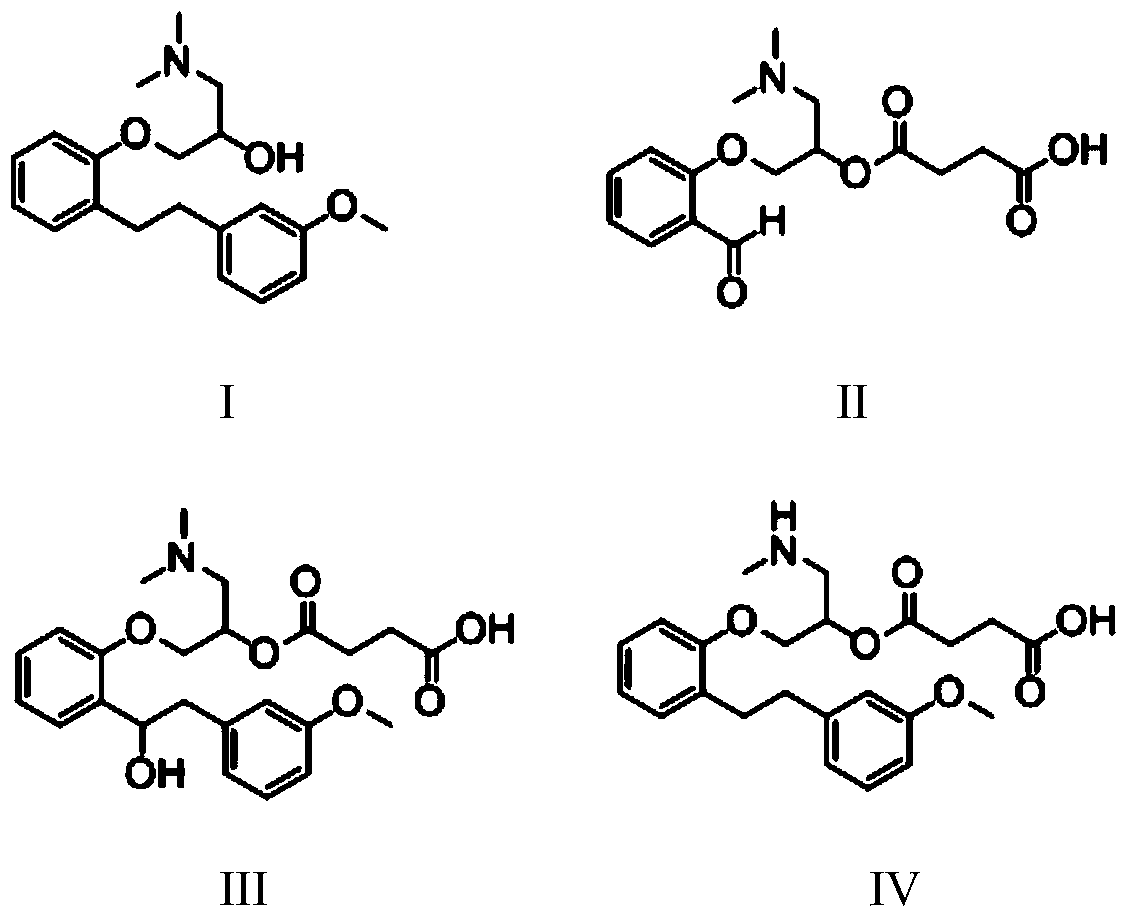
Figure 1 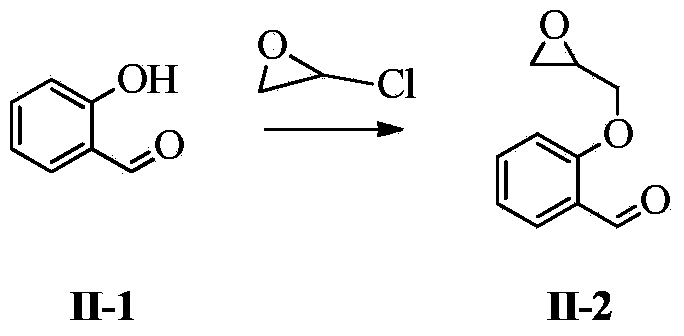
Figure 2 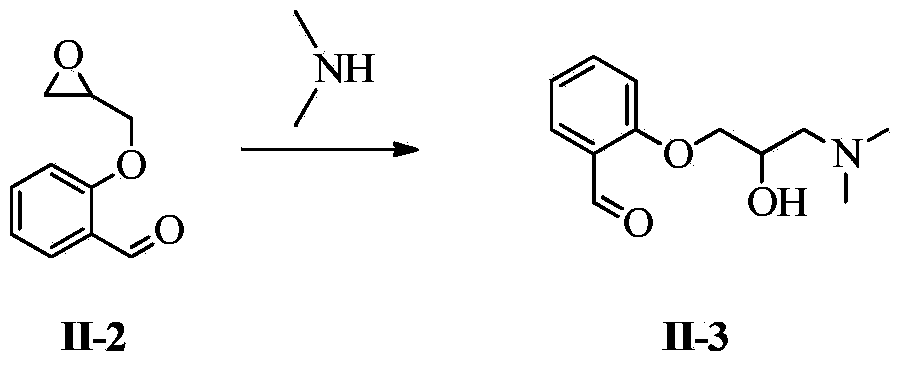
Figure 3
Abstract
Description
technical field
[0001] The invention belongs to the field of drug synthesis, and in particular relates to a preparation method for photodegrading impurities of sarcogrelate hydrochloride. Background technique
[0002] Sagrelate Hydrochloride Tablets was first launched in Japan in 1993 under the trade name Anplag, which is a 5-HT2 receptor blocker that can inhibit platelet aggregation and vasoconstriction, has antithrombotic effect and improves microcirculation. Its indications are to improve ischemic symptoms such as ulcers, pain and cold sensation caused by chronic arterial occlusive disease. The sarcogrelate hydrochloride raw material drug used for the preparation of sarcogrelate hydrochloride tablets needs to meet the required purity, and the simple impurity content must also meet the corresponding requirements. In Japan's March 2012 revision of the drug instructions, the standard product classification number: 873399 specifies four photodegradable impurities of sagrelat...
Examples
Embodiment 1
[0091] Salicylaldehyde (10.0g, 82mmol) was added to a 250ml reaction flask, 100ml of tetrahydrofuran was added, epichlorohydrin (9.1g, 98mmol) and 10g of potassium carbonate were added, under nitrogen protection, the temperature was raised to reflux, and reacted for 12h. TLC detects that the raw material has been reacted (petroleum ether: ethyl acetate=4:1v / v), and the product 2-(2-oxomethyloxirane) benzaldehyde II-2 is obtained after post-treatment, post-treatment: suction filtration Potassium carbonate was removed, and the filtrate was concentrated by distillation under reduced pressure to obtain compound 2-(2-oxomethyloxirane)benzaldehyde II-2, 10.39 g, yield 71.2%.
Embodiment 2
[0093] Salicylaldehyde (10.0g, 82mmol) was added to a 250ml reaction flask, 100ml of tetrahydrofuran was added, epichlorohydrin (9.1g, 98mmol) and 5g of potassium hydroxide were added, under nitrogen protection, the temperature was raised to reflux, and reacted for 15h. TLC detects that the raw material has been reacted (petroleum ether: ethyl acetate=4:1v / v), and the product 2-(2-oxomethyloxirane) benzaldehyde II-2 is obtained after post-treatment, post-treatment: suction filtration Potassium carbonate was removed, and the filtrate was concentrated by distillation under reduced pressure to obtain compound 2-(2-oxomethyloxirane)benzaldehyde II-2, 8.76 g, yield 60.0%.
Embodiment 3
[0095] Compound 2-(2-oxomethyloxirane)benzaldehyde (10.0g, 60mmol) was dissolved in 100ml of tetrahydrofuran, cooled to 0°C, added 10g of 40% dimethylamine aqueous solution, and reacted at room temperature for 4h, TLC Tracking (petroleum ether: ethyl acetate = 4:1 v / v). Concentrate after completion of the reaction, extract with ethyl acetate (100*3ml), dry the organic phase over anhydrous sodium sulfate, and concentrate to obtain 2-[2-(dimethylamino)-1-hydroxyethoxy]benzaldehyde II- 3, 11.22 g, yield 89.6%.