
Application of tannic acid to preparation of cardiac hypertrophy antagonist
A technology for myocardial hypertrophy and tannic acid, which can be applied in drug combinations, pharmaceutical formulas, cardiovascular system diseases, etc., and can solve problems such as incomplete elucidation of pathogenesis
Patent Information
- Authority / Receiving Office
- CN · China
- Current Assignee / Owner
- Publication Date
- 2017-02-08
- Estimated Expiration
- Not applicable · inactive patent
Smart Images
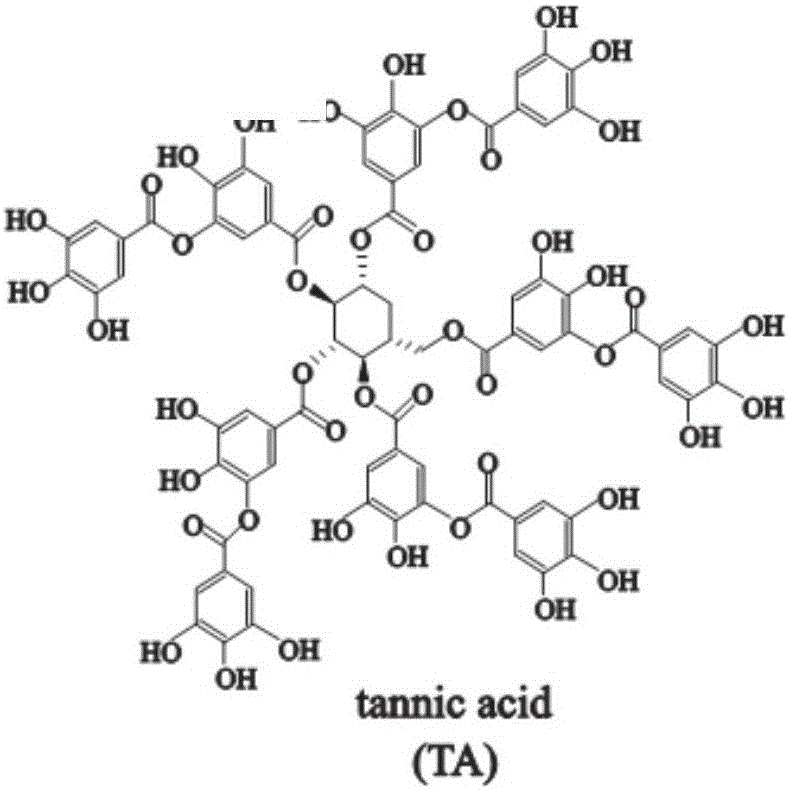
Figure 1 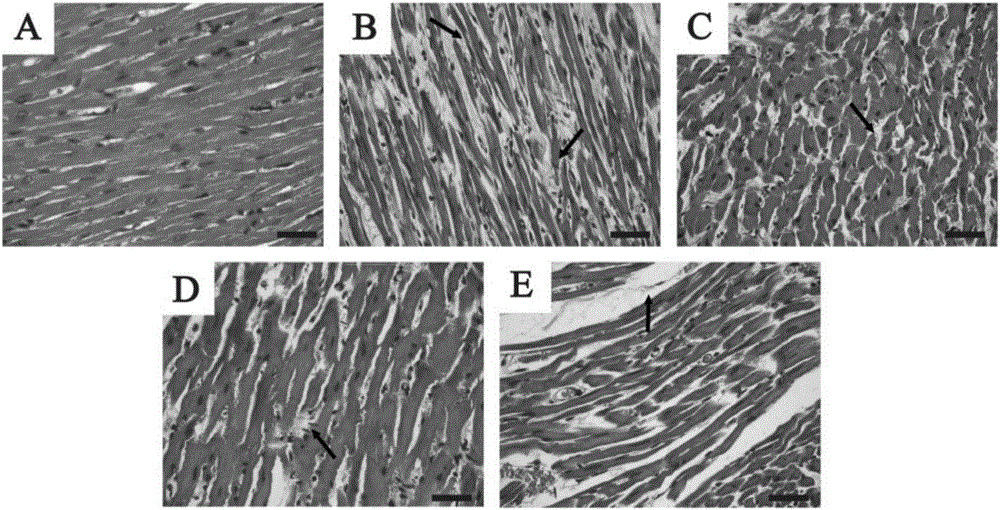
Figure 2 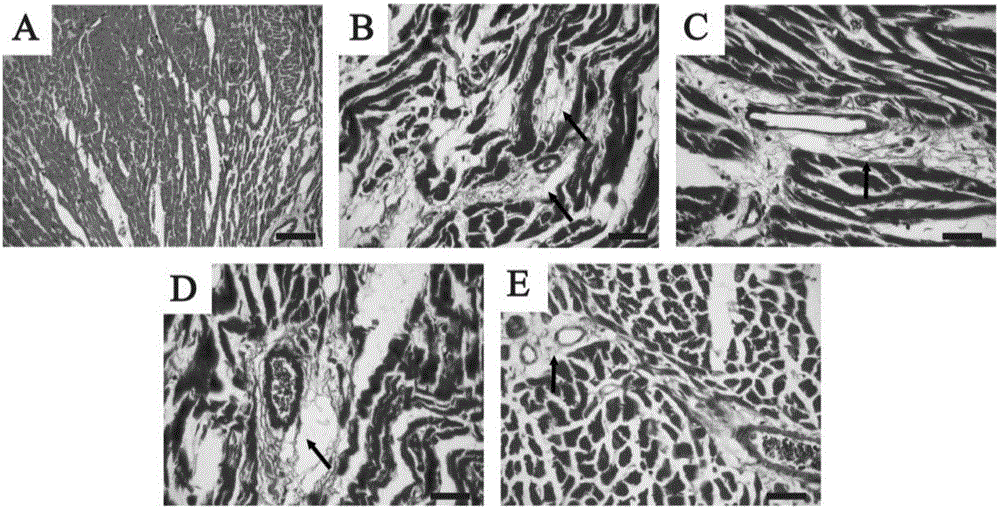
Figure 3
Abstract
Description
technical field
[0001] The invention relates to the medical use of tannic acid, in particular to the application of tannic acid to antagonize myocardial hypertrophy. Background technique
[0002] Tannic acid, also known as tannic acid (tannic acid), is a class of polyphenolic compounds with complex structures widely present in the plant kingdom. More than 70% of crude drugs contain tannin compounds, such as Salicaceae, Fabaceae, Polygonaceae, Rubiaceae and Beech in gymnosperms and dicotyledonous plants. Tannin exists in the bark, wood, leaves, roots, fruits and other parts of plants, and is most common in bark. The relatively high levels of tannins in red wine (grape) and green tea are believed to be key to their beneficial health effects.
[0003] Cardiac hypertrophy is a compensatory response of the heart to maintain proper contractile function, manifested as cardiomyocyte hypertrophy, collagen hyperplasia, abnormal increase in heart weight, and myocardial remodeling. M...
Examples
Embodiment 1
[0067] Embodiment 1 Tannic acid anti-myocardial hypertrophy effect caused by abdominal aorta ligation
[0068] 1.1 Experimental animals
[0069] 40 purebred clean-grade SD rats, weighing 200-240 g, were purchased from the Experimental Animal Center of Hebei Medical University.
[0070] 1.2 Experimental Drugs
[0071] Tannic acid (TA) was purchased from Sigma Chemicals (St. Louis, MO, USA).
[0072] Captoril (CAP) was purchased from Huanghai Pharmaceutical Company (Shanghai, China).
[0073] 1.3 Experimental method
[0074] Rats were randomly divided into 5 groups: sham operation group (Sham), abdominal aortic ligation model control group (abdominal ortic banding, AAB), TA low-dose group (20mg / kg, L-TA), TA high-dose group (40mg / kg kg, H-TA), captopril group (30mg / kg, CAP), 8 rats in each group.
[0075] Except the Sham group, the rats in other groups were anesthetized by intraperitoneal injection of 20g / L pentobarbital 40mg / kg, the abdominal cavity was opened, and the abd...
Embodiment 2
[0096] Embodiment 2 prepares oral tablet
[0097] Tablets are prepared according to methods known in the art, each containing the following ingredients:
[0098]
[0099] Table 1 Effect of tannic acid on hemodynamics in rats with abdominal aorta ligation
[0100]
[0101] Table 2 Effect of tannic acid on heart weight index of rats with abdominal aorta ligation
[0102]