
Sludge treatment device using catalytic wet oxidation method
A catalytic wet oxidation and sludge treatment technology, which is applied in oxidation treatment of sludge, dehydration/drying/thickened sludge treatment, runoff/rainwater treatment, etc., can solve the problem of accelerated air flow, inability to obtain secondary utilization, heat loss, etc. question
Patent Information
- Authority / Receiving Office
- CN · China
- Current Assignee / Owner
- Publication Date
- 2019-02-19
Smart Images
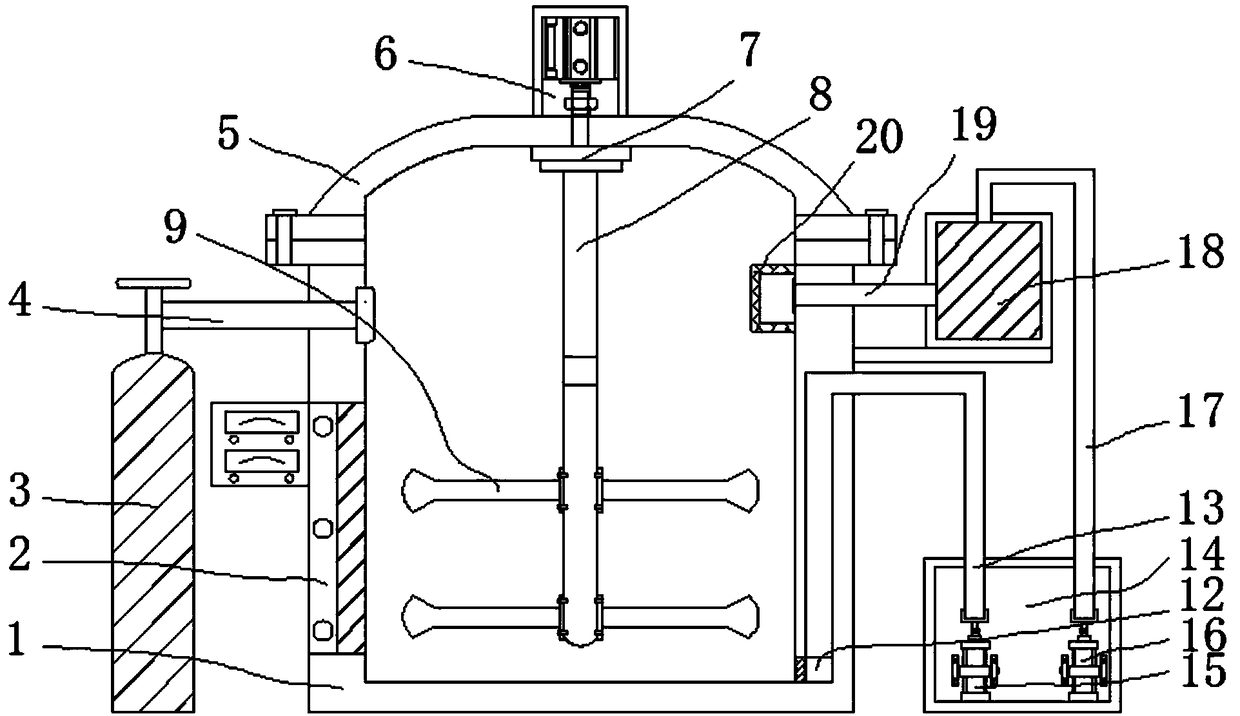
Figure 1 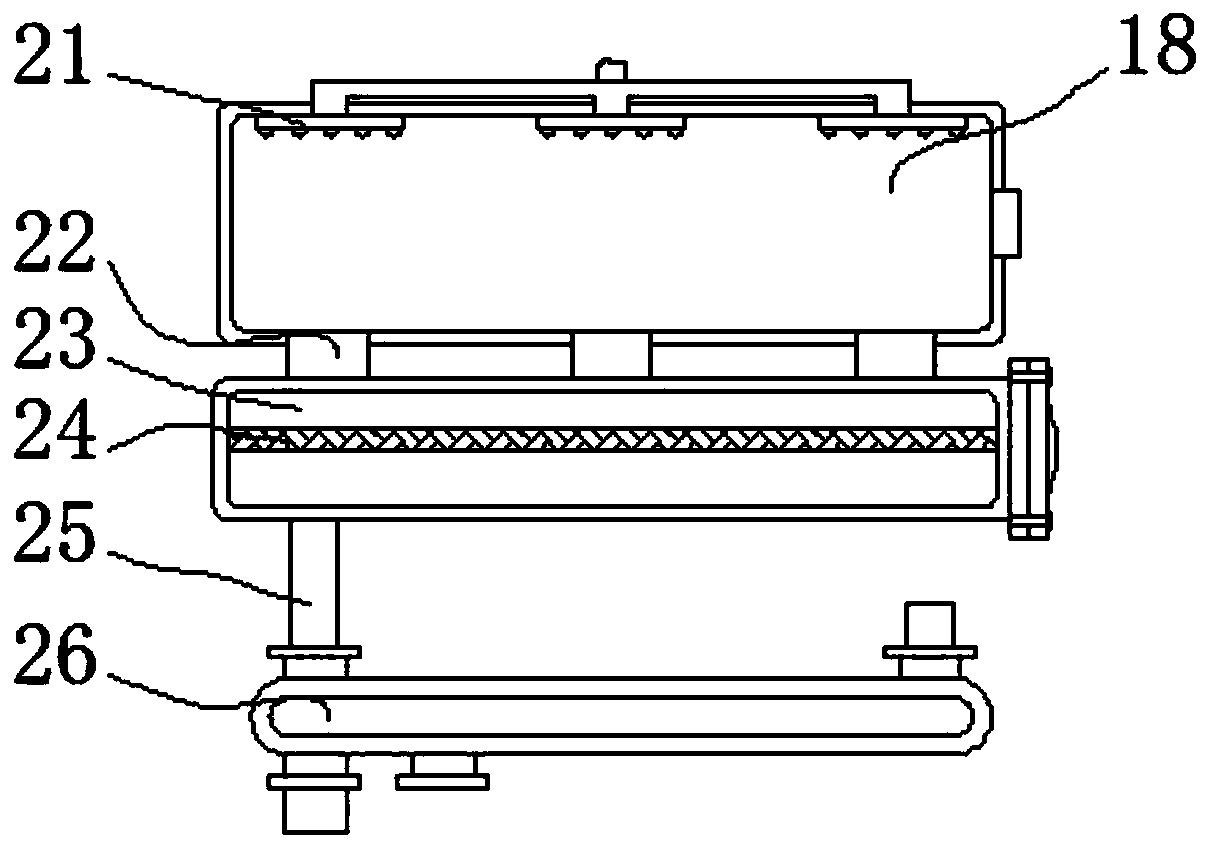
Figure 2 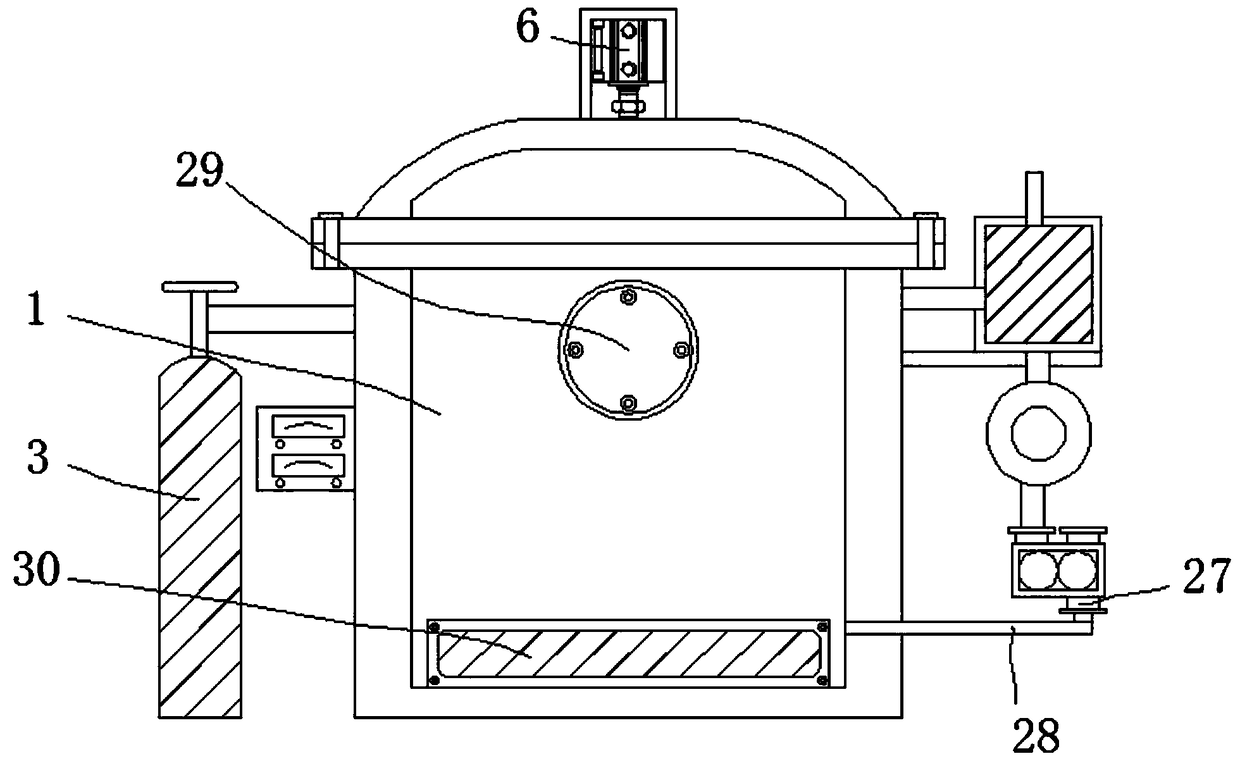
Figure 3
Abstract
Description
technical field
[0001] The invention relates to the technical field of sludge treatment equipment, in particular to sludge treatment equipment using a catalytic wet oxidation method. Background technique
[0002] The sludge in urban sewage treatment plants mainly comes from primary sedimentation tank sludge and residual activated sludge. There are many ways to dispose of urban sludge, which vary greatly depending on the situation of the country. According to the final destination of the sludge, it can be divided into sludge Utilization and harmless of sludge, wet air oxidation technology is to fill oxygen under high temperature and high pressure to oxidize organic matter and reducing inorganic matter in sludge into carbon dioxide, water and a small amount of solid residue. This method can obtain high The organic matter removal rate and energy recovery rate are high, and the treatment is carried out in a closed container without odor and soot. The sterilization effect is good...
Examples
Embodiment Construction
[0029] The following will clearly and completely describe the technical solutions in the embodiments of the present invention with reference to the accompanying drawings in the embodiments of the present invention. Obviously, the described embodiments are only some, not all, embodiments of the present invention.
[0030]In the description of the present invention, unless otherwise stated, the meaning of "plurality" is two or more; the terms "upper", "lower", "left", "right", "inner", "outer" , "front end", "rear end", "head", "tail", etc. indicate the orientation or positional relationship based on the orientation or positional relationship shown in the drawings, and are only for the convenience of describing the present invention and simplifying the description, rather than Nothing indicating or implying that a referenced device or element must have a particular orientation, be constructed, and operate in a particular orientation should therefore not be construed as limiting t...