
Preparing method of lecithin of tuna roes
The technology of fish lecithin and tuna is applied in the field of preparation of tuna lecithin to achieve the effects of accelerating diffusion, good selectivity and reducing lipid accumulation
Patent Information
- Authority / Receiving Office
- CN · China
- Patent Type
- Applications(China)
- Current Assignee / Owner
- Publication Date
- 2019-11-22
Smart Images
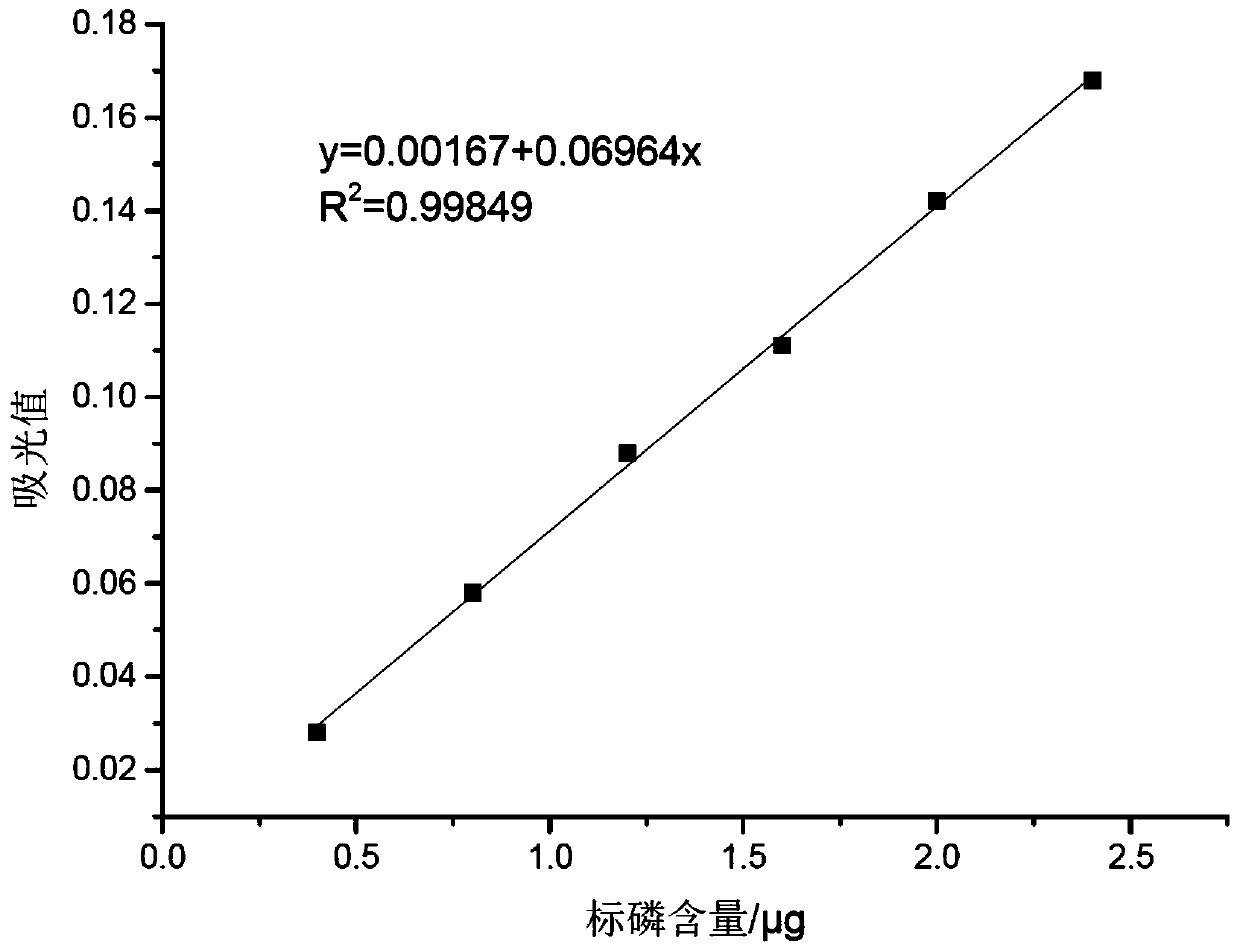
Figure 1 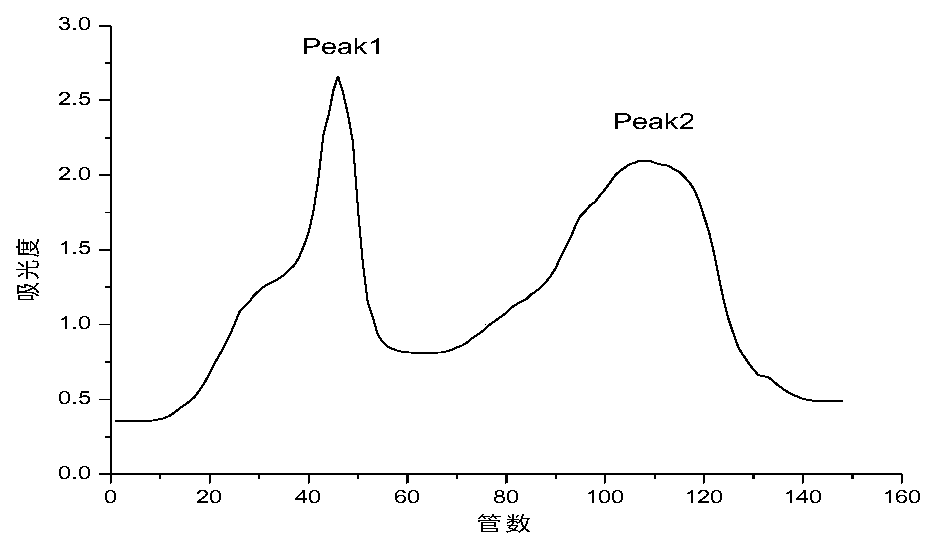
Figure 2 
Figure 3
Abstract
Description
technical field
[0001] The present invention relates to the technical field of fish lecithin, in particular to a preparation method of tuna fish lecithin. Background technique
[0002] Phospholipid, also known as phospholipids and phospholipids, refers to lipids containing phosphoric acid and belongs to complex lipids. Phospholipids constitute the main components of biological membranes, and are divided into two categories: glycerophospholipids and sphingomyelins, which are composed of glycerol and sphingosine, respectively. Phospholipids are the basic substances of life, which can play an important role in activating cells, maintaining metabolism, basal metabolism and balanced secretion of hormones, and enhancing human immunity and regeneration. In addition, phospholipids can also promote fat metabolism, prevent fatty liver, lower serum cholesterol, improve blood circulation, and prevent cardiovascular disease.
[0003] Tuna roe is the waste of tuna processing, which cont...
Examples
Embodiment 1
[0056] Present embodiment 1 provides a kind of tuna fish egg lecithin preparation method, comprises the following steps:
[0057] 1) Enzymolysis: Add distilled water to the tuna roe homogenate according to the ratio of solid to liquid 1:4, then add 2.2% trypsin, enzymolyze at pH 7.5 and 37°C for 90 minutes, inactivate and centrifuge to remove supernatant;
[0058] 2) Leaching: add acetone 6 times the volume of the filter cake to the filter cake after enzymolysis, stir magnetically at 25°C for 10 minutes, filter with suction, and extract 5 times with acetone until the acetone does not change color;
[0059] 3) Secondary leaching: Add absolute ethanol 14 times the volume of the filter cake to the leached filter cake, maintain at 28°C, and interrupt microwave leaching under the condition of providing 450W power microwave. Intermittent microwave leaching specifically refers to microwave 10s : Turn off the intermittent microwave mode of microwave 6min to complete the microwave lea...
Embodiment 2
[0097] This embodiment provides an application of the tuna fish lecithin obtained by the method in Example 1 in lipid lowering, specifically including that the tuna fish lecithin can reduce lipid accumulation in Chang liver cells.
[0098] Its application and detection include the following steps:
[0099] A) Establishment of orotic acid (OA)-induced fat accumulation model in Chang liver cells:
[0100] Fat accumulation in Chang liver cells was induced with 25 μmol / L, 50 μmol / L, 75 μmol / L, 100 μmol / L, 125 μmol / L, 150 μmol / L, 175 μmol / L, 200 μmol / L and 225 μmol / LOA respectively, and the cells were observed by inverted microscope. Determination of fat morphology and OD value to determine the optimal concentration of OA. During the experiment, after observation ( Figure 4 ) found that when the final concentration of OA was higher than 100 μmol / L, a large number of Chang liver cells died, and when the final concentration was lower than 100 μmol / L, the cell morphology was normal...
Embodiment 3
[0108] The present embodiment provides a nanoliposome comprising tuna lecithin, and the preparation steps of the nanoliposome include:
[0109] a) prepare tuna lecithin according to the above-mentioned first aspect method, then mix lecithin and cholesterol in a mass ratio of 1.85:1 and dissolve in chloroform with 10 times the mass of the mixture, and then rotate at a temperature of 28° C. Evaporate, A layer of dry phospholipid film is obtained;
[0110] b) Add D-Hanks of 1 / 3~1 / 2 of the mass of chloroform, shake and mix, at an ultrasonic frequency of 50KHz and an energy density of 0.45W / cm 2 It was sonicated under the conditions until it became a uniform milky white suspension, which was obtained by filtration through a 200 nm microporous membrane. The liposome prepared by the film dispersion method of the present invention is a milky white suspension, which is composed of Figure 8 It can be seen from the transmission electron microscope photos that the liposomes are uniform...