
A drug-loaded thermochromic hydrogel functionalized fabric and its preparation and application
A thermochromic and hydrogel technology, which is applied in textiles and papermaking, medical preparations of non-active ingredients, physical treatment, etc., can solve the problem of expensive equipment required for drug content, and achieve the effect of preventing breakage and shedding
Patent Information
- Authority / Receiving Office
- CN · China
- Patent Type
- Patents(China)
- Current Assignee / Owner
- Publication Date
- 2021-10-26
Smart Images
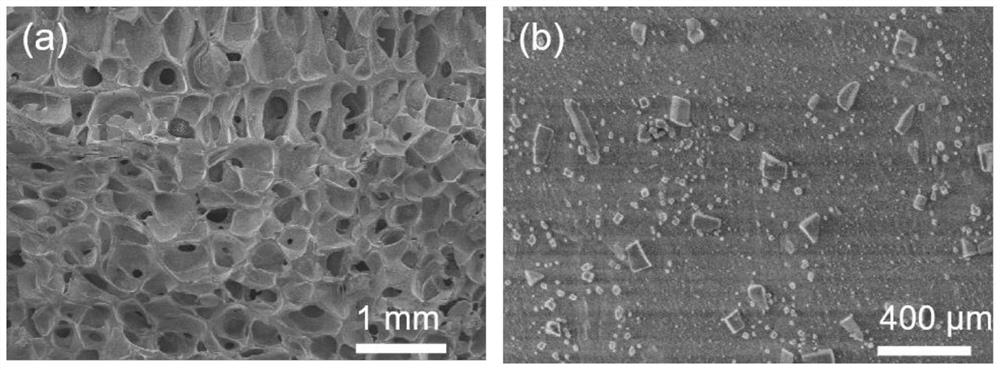
Figure 1 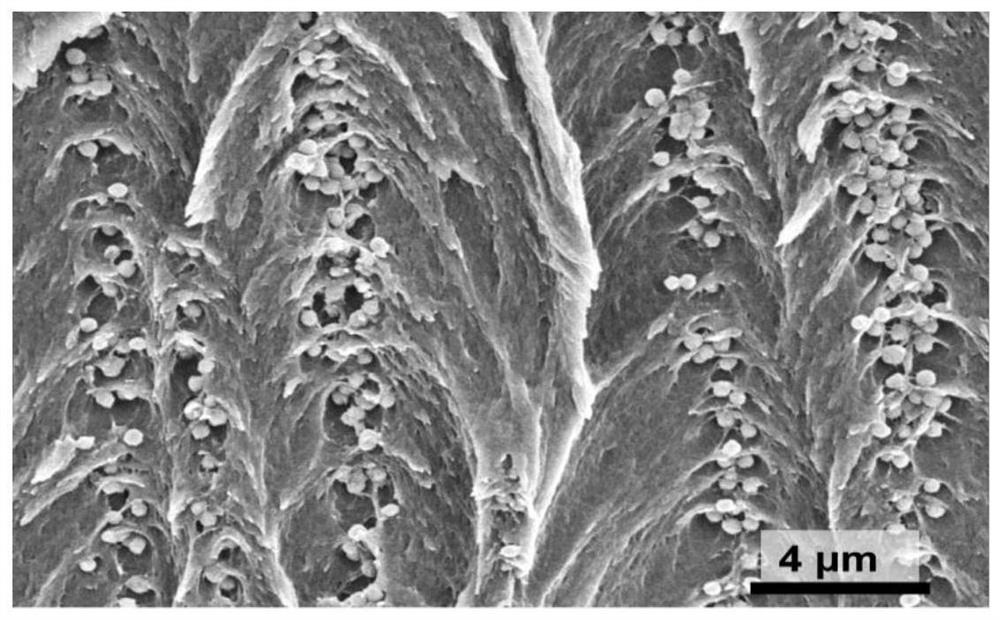
Figure 2 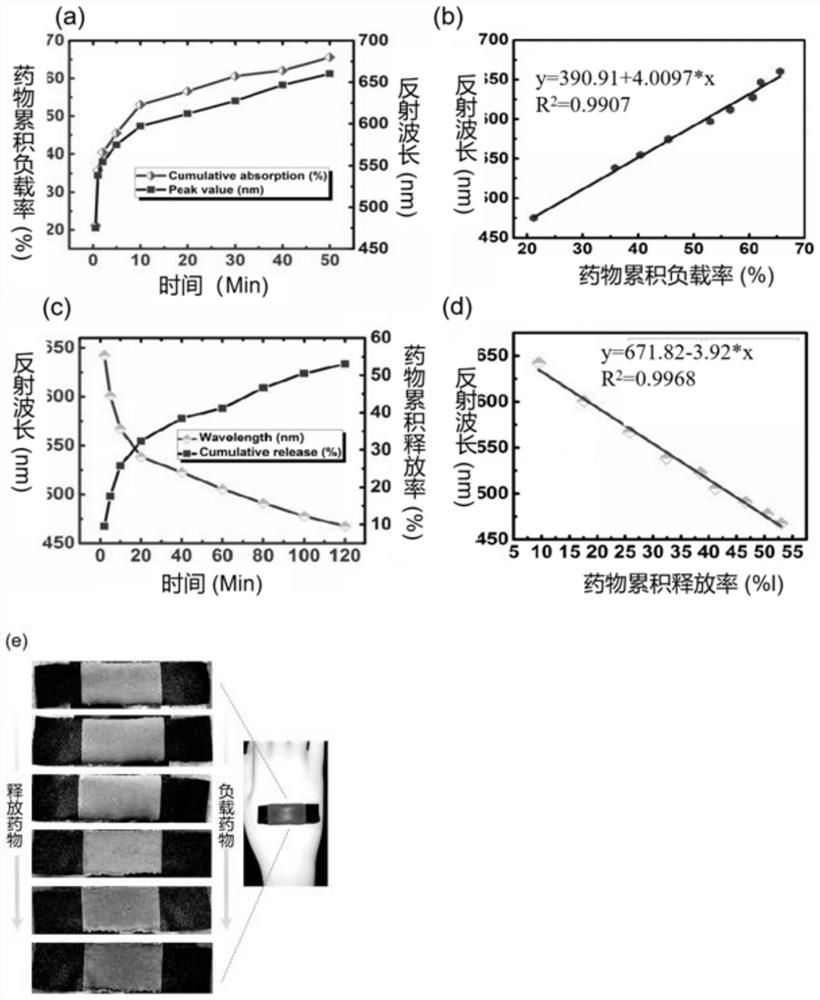
Figure 3
Abstract
Description
technical field
[0001] The invention belongs to the field of intelligent in vitro drug release material and its preparation and application, in particular to a drug-loaded thermochromic hydrogel functionalized fabric and its preparation method and application. Background technique
[0002] In vitro drug delivery systems, such as transdermal drug delivery and wound drug delivery, have attracted extensive attention due to their special properties of sustained delivery of therapeutic drugs. Compared with traditional oral, nasal, intramuscular, and intravenous administration, they have many advantages, such as prevention of drug degradation in the gastrointestinal tract, first-pass effect of drugs, drug hepatotoxicity, pain caused by injection, and repeated use of needles. risk of spreading disease. In vitro drug delivery system is a non-invasive and painless treatment method, and the skin is the largest organ in the human body, and the large area of skin exposure can help ab...
Examples
Embodiment 1
[0044] Add 0.3g of ferrocene into 60ml of acetone, ultrasonically dissolve it for 5 minutes, then add dropwise 1ml of 30% hydrogen peroxide and stir for 2 hours. After stirring evenly, move it into a 100ml hydrothermal kettle, react at 180°C for 48h, take it out and cool it to room temperature. The obtained product was subjected to magnetic deposition with a magnet with a magnetic field strength of 0.2T, and then redissolved with acetone, and the magnetic deposition was continued for 3 times. Obtained Fe 3 o 4 @C Magnetic particles (180nm) were redispersed in ethylene glycol (21mg / ml). Then add 2g NIPAM, 100 μl AAc, 20 mg BIS in 3 ml ethanol / ethylene glycol (1:1) and sonicate until completely dissolved, then add 11 μL HMPP and finally, 200 μL Fe 3 o 4 @C Magnetic particle ethylene glycol dispersion (20mg / ml) was added to the above prepolymer solution (600μL), and ultrasonically mixed for 10min. Subsequently, the polyester fabric (6*2cm) was subjected to oxygen plasma trea...
Embodiment 2
[0046] Add 0.4g of ferrocene into 60ml of acetone, ultrasonically dissolve it for 5 minutes, then add 2ml of 30% hydrogen peroxide dropwise and stir for 2 hours. After stirring evenly, transfer it into a 100ml hydrothermal kettle, react at 190°C for 64h, take it out and cool it to room temperature. The obtained product was subjected to magnetic deposition with a magnet having a magnetic field strength of 0.3 T, and then redissolved with acetone, and the magnetic deposition was continued for 3 times. Obtained Fe 3 o 4 @C Magnetic particles (240nm) were redispersed in ethylene glycol (30mg / ml). Then add 2g NIPAM, 200 μl AAc, 30 mg BIS in 3 ml ethanol / ethylene glycol (1:1) and sonicate until completely dissolved, then add 15 μL HMPP and finally, 300 μL Fe 3 o 4 @C Magnetic particle ethylene glycol dispersion (30mg / ml) was added to the above prepolymer solution (900μL), and ultrasonically mixed for 10min. Subsequently, the polyester fabric (6*2cm) was subjected to oxygen plas...
Embodiment 3
[0048] Add 0.5g of ferrocene into 60ml of acetone, dissolve it by ultrasonication for 5 minutes, then add 2ml of 30% hydrogen peroxide dropwise and stir for 2 hours. room temperature. The obtained product was subjected to magnetic deposition with a magnet with a magnetic field strength of 0.4T, and then redissolved with acetone, and the magnetic deposition was continued for 3 times. Obtained Fe 3 o 4 @C Magnetic particles (300nm) were redispersed in ethylene glycol (40mg / ml). Then add 2g NIPAM, 400 μl AAc, 40 mg BIS in 3 ml ethanol / ethylene glycol (1:1) and sonicate until completely dissolved, then add 20 μL HMPP and finally, 400 μL Fe 3 o 4 @C Magnetic particle ethylene glycol dispersion (40mg / ml) was added to the above prepolymer solution (1200μL), and ultrasonically mixed for 10min. Subsequently, the polyester fabric (6*2cm) was subjected to oxygen plasma treatment to make the surface hydrophilic (parameters were set to 300W, 1min), and then the treated polyester fabri...