
Human papilloma virus 35 type/HPV 35 type L1/L2, preparation and application thereof
A technology of human papillomavirus and pseudovirus, which is applied in the biological field to achieve the effects of simple interpretation, short detection cycle and good repeatability
Patent Information
- Authority / Receiving Office
- CN · China
- Patent Type
- Applications(China)
- Current Assignee / Owner
- Publication Date
- 2021-04-20
Smart Images
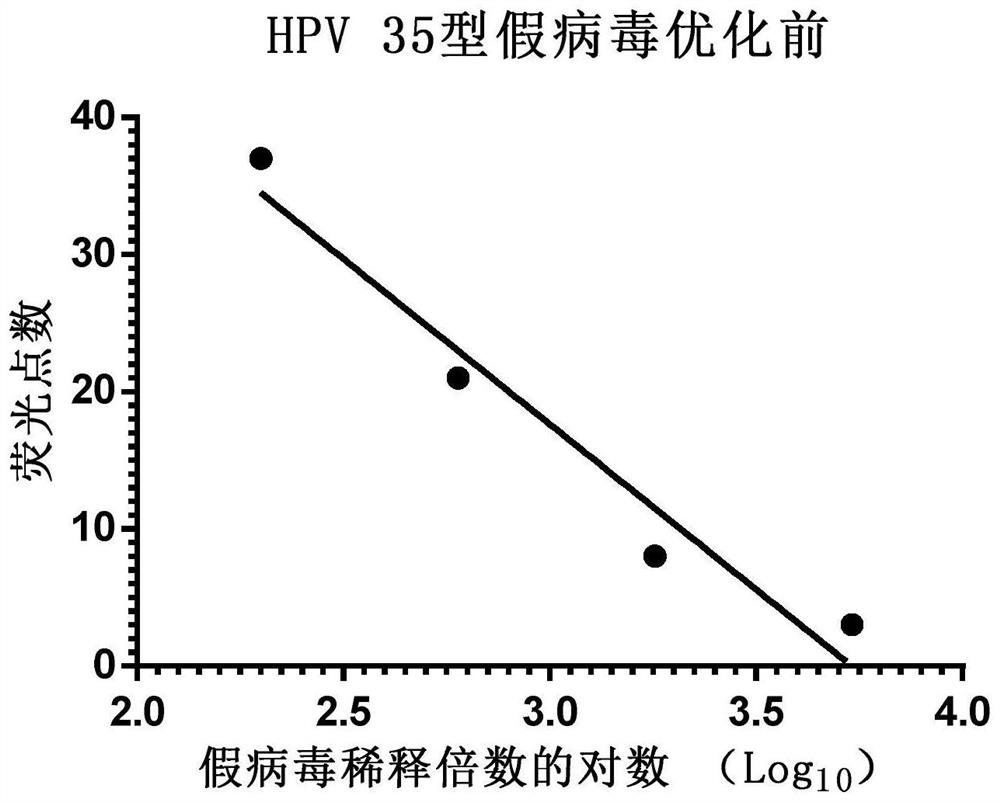
Figure 1 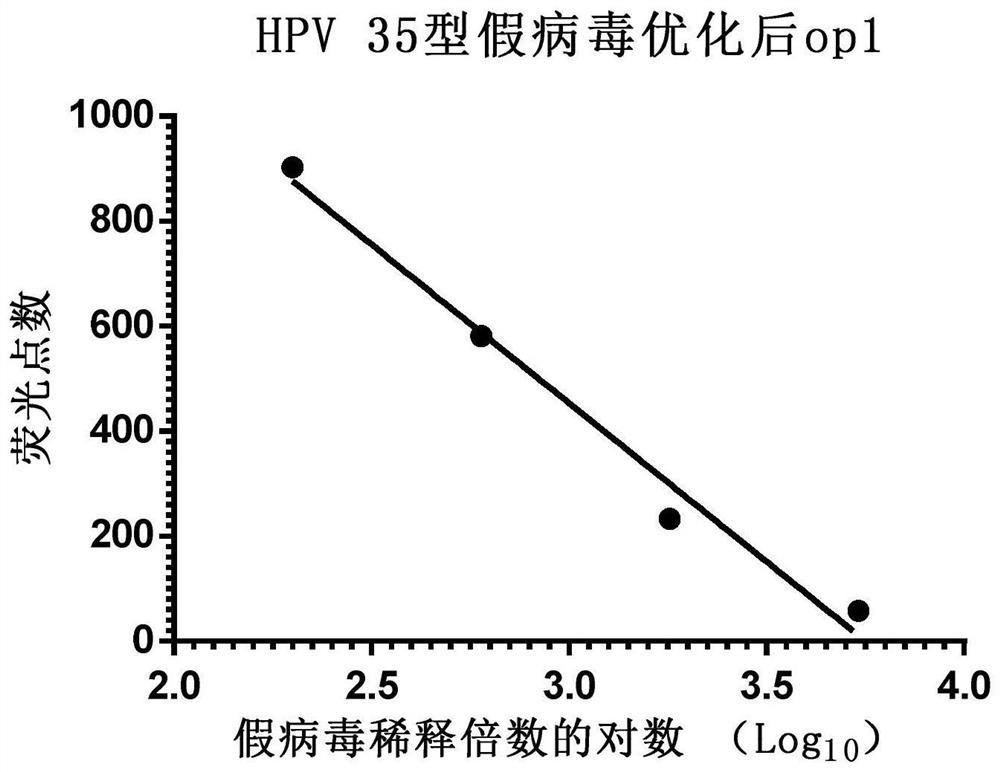
Figure 2 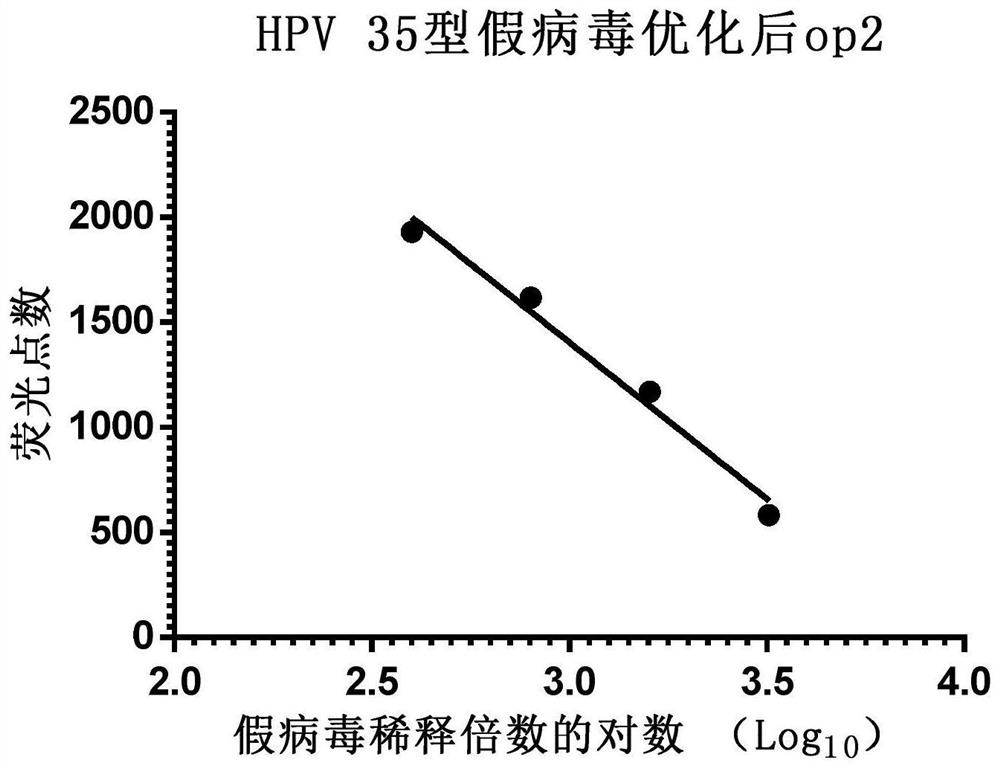
Figure 3
Abstract
Description
technical field
[0001] The invention relates to the field of biotechnology, in particular to a human papillomavirus type 35 / HPV35 type L1 / L2 and its preparation and application. Background technique
[0002] Cervical cancer and cervical precancers are a major problem in women's health worldwide. Clinical, molecular biology, and epidemiological investigations have proved that human papillomavirus (human papillomavirus, HPV) is the main cause of cervical cancer and cervical dysplasia. At present, more than 200 subtypes of HPV have been found, which are divided into high-risk types according to different pathogenicity, including HPV16, 18, 31, 33, 35, 39, 45, etc.; low-risk types include HPV6, 11, etc. HPV is a non-enveloped circular double-stranded DNA virus. Its capsid is an icosahedral structure composed of 72 major capsid protein L1 protein pentamers. One virion contains 360 L1 protein monomers. The World Health Organization International Agency for Research on Cancer has...
Examples
Embodiment 1
[0026] Example 1 Optimization of HPV 35L1 protein and HPV 35L2 protein coding gene
[0027] The genes encoding HPV 35L1 protein and HPV35L2 protein were optimized based on multiple dimensions such as codon usage frequency, RNA secondary structure, and GC content. The amino acid sequence of HPV 35L1 protein is shown in SEQ ID NO.1 (GenBank accession number: CAA52566.1), and the amino acid sequence of HPV 35L2 protein is shown in SEQ ID NO.2 (GenBank accession number: CAA52565.1). The gene encoding the HPV 35L1 protein before optimization is SEQ ID NO.3, and the gene encoding the HPV 35L1 protein after optimization is SEQ ID NO.4 (HPV 35L1-op1) and SEQ ID NO.5 (HPV 35L1-op2). The gene encoding the HPV35L2 protein before optimization is SEQ ID NO.6, and the gene encoding the HPV 35L2 protein after optimization is SEQ ID NO.7 (HPV 35L2-op1) and SEQ ID NO.8 (HPV 35L2-op2).
[0028] SEQ ID NO.1 (HPV 35L1 protein amino acid sequence)
[0029]MSLWRSNEATVYLPPVSVSKVVSTDEYVTRTNIYYHAGSS...
Embodiment 2
[0044] Construction and preparation of embodiment 2 HPV 35 type pseudoviruses
[0045] Step 1: Insert HPV 35L1, HPV 35L1-op1, HPV 35L1-op2, HPV 35L2, HPV 35L2-op1, HPV35L2-op2, and EGFP (fluorescent protein reporter) genes into pCDNA3.1 plasmids to obtain expression plasmids 35L1-pCDNA3, respectively .1 (SEQ ID NO.9), 35L1-op1-pCDNA3.1 (SEQ ID NO.10), 35L1-op2-pCDNA3.1 (SEQ ID NO.11), 35L2-pCDNA3.1 (SEQ ID NO.12 ), 35L2-op1-pCDNA3.1 (SEQ ID NO.13), 35L2-op2-pCDNA3.1 (SEQ ID NO.14), EGFP-pCDNA3.1 (SEQ ID NO.15).
[0046] Expression plasmid 35L1-pCDNA3.1 sequence (including pre-optimized gene HPV 35L1), SEQ ID NO.9:
[0047]GACGGATCGGGAGATCTCCCGATCCCCTATGGTGCACTCTCAGTACAATCTGCTCTGATG CCGCATAGTTAAGCCAGTATCTGCTCCCTGCTTGTGTGTTGGAGGTCGCTGAGTAGTGCG CGAGCAAAATTTAAGCTACAACAAGGCAAGGCTTGACCGACAATTGCATGAAGAATCTG CTTAGGGTTAGGCGTTTTGCGCTGCTTCGCGATGTACGGGCCAGATATACGCGTTGACAT TGATTATTGACTAGTTATTAATAGTAATCAATTACGGGGTCATTAGTTCATAGCCCATATAT GGAGTTCCGCGTTACATAACTTACGGTAAATGGCCCGCCTGGCTGACCGCCCAA...
Embodiment 3
[0069] Example 3 Application of Enzyme-Linked Fluorescent Spot Analyzer to Detect HPV Type 35 Pseudovirus Using Multiples
[0070] Step 1: Collect 293FT cells in the logarithmic growth phase, count with a hemocytometer and dilute the cells with DMEM complete medium to a density of 1.5×10 5 pieces / ml.
[0071] Step 2: In a 96-well cell culture plate, add 150 μl of 293FT cells per well, place at 37°C, 5% CO 2 Cultivate in an incubator for 16-24 hours.
[0072] Step 3: Take the pseudovirus solution and dilute it with DMEM complete medium to 200 times or an appropriate multiple, then dilute according to the 2-fold ratio, and serially dilute 4 to 8 dilutions.
[0073] Step 4: Add 50 μl pseudovirus dilution solution to each well, set 8 wells to repeat for each dilution, and set a blank control at the same time, the blank control is 50 μl DMEM complete medium, after culturing for 72 hours, use an enzyme-linked fluorescence spot analyzer to detect each well of green fluorescent dot...