
Method for extracting active ingredients in tea leaves
A technology of active ingredients and extraction methods, which is applied in the field of extraction of active ingredients, can solve problems such as low extraction efficiency and insufficient extraction of active ingredients, and achieve the effects of high purity, biological activity, good appearance, and mild process conditions
Patent Information
- Authority / Receiving Office
- CN · China
- Patent Type
- Applications(China)
- Current Assignee / Owner
- Publication Date
- 2021-08-24
- Estimated Expiration
- Not applicable · inactive patent
Smart Images
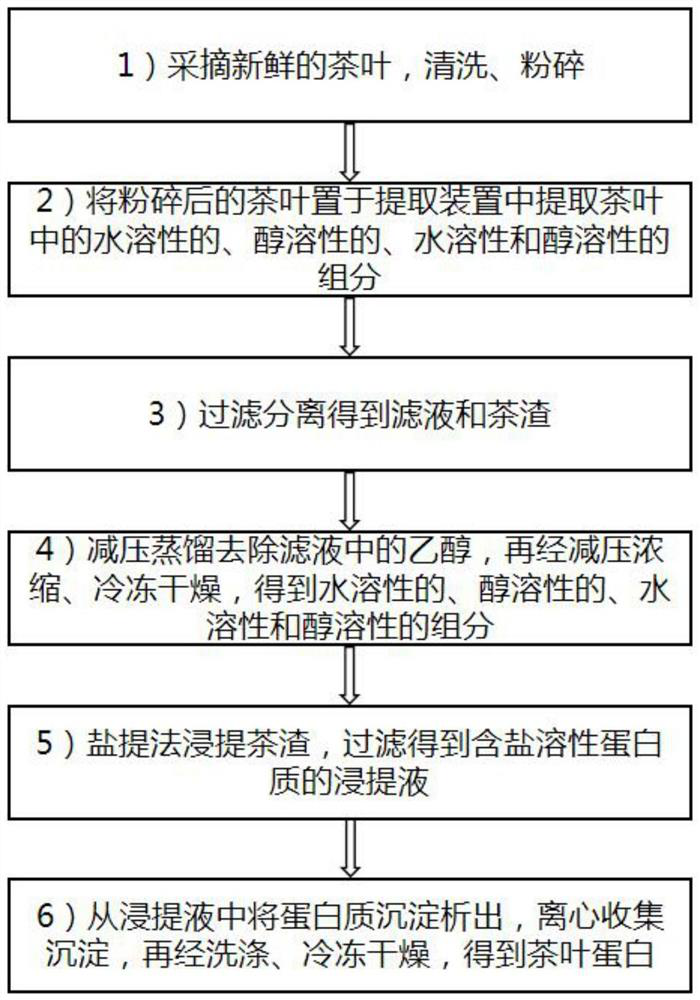
Figure 1 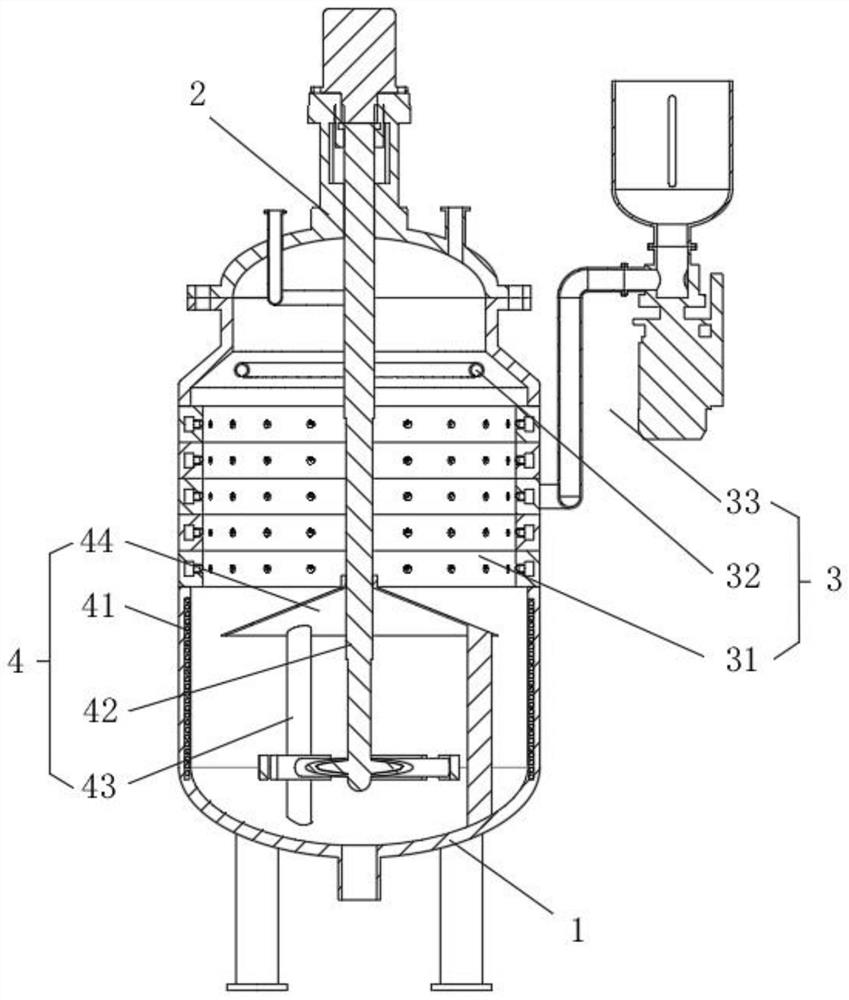
Figure 2 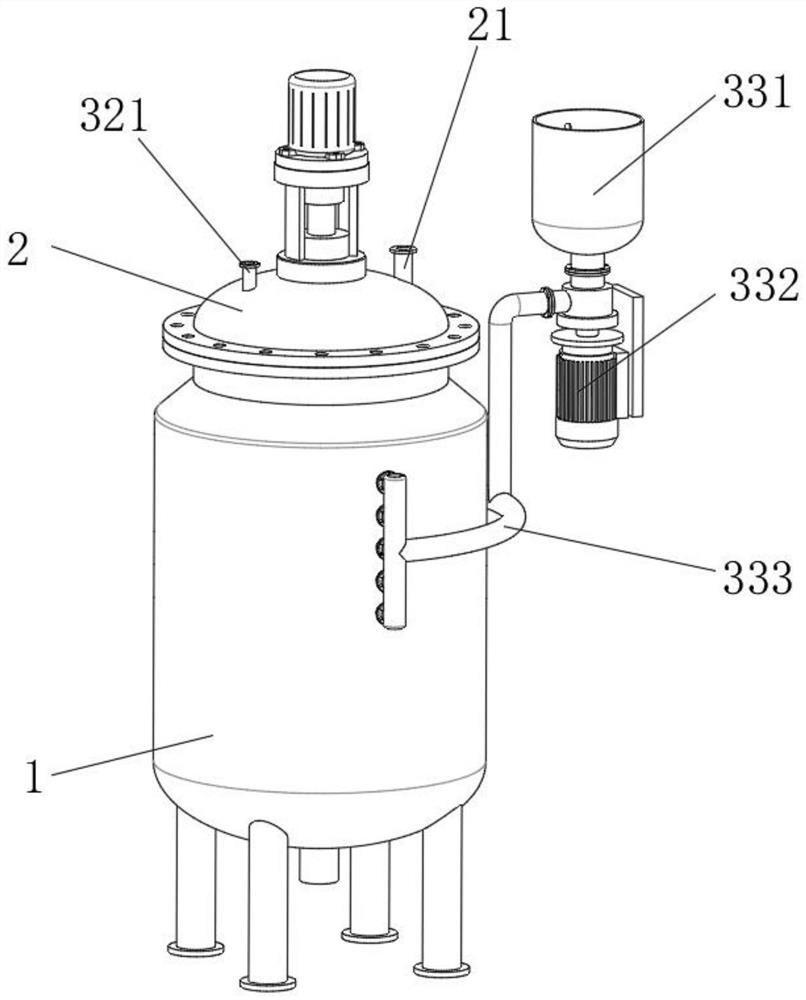
Figure 3
Abstract
Description
technical field
[0001] The invention belongs to the technical field of tea deep processing, and in particular relates to a method for extracting active ingredients in tea. Background technique
[0002] Tea has a history of thousands of years, and has conquered people all over the world with its unique taste and health benefits. Modern research has proved that the reason why tea has its special taste and health benefits is because it contains a lot of functional ingredients such as tea polyphenols, theophylline, theanine, protein, and trace elements. In recent years, with the continuous development of the application of tea in the fields of food, beverages, and daily chemicals, people have begun to extract functional components in tea. However, in the prior art, there are many studies on the extraction of tea functional components, mainly for high-value substances such as tea polyphenols, but relatively few studies on proteins accounting for 15-25% of the dry matter content ...
Examples
Embodiment 4
[0085] The above technical solution solves the problem of extracting protein in tea leaves with lye in the prior art. The extracted protein is not water-soluble, has a darker color, and may generate toxic substances in an alkaline environment. Other effective components in the tea leaves are extracted, so that the tea leaves cannot be extracted and utilized. However, when extracting water-soluble, alcohol-soluble, water-soluble and alcohol-soluble components in tea leaves, the simple extraction method has the problems that high-temperature extraction will easily lead to the failure of active components, and the extraction efficiency of conventional low-temperature extraction is low. High extraction efficiency is required without destroying the active ingredients in the tea leaves.
[0086] In order to solve the technical problems that the above-mentioned high-temperature extraction easily leads to the failure of active ingredients and the extraction efficiency of conventional ...