
Molybdenum-based electrocatalyst, preparation method of molybdenum-based electrocatalyst, difunctional electrolytic tank and application of difunctional electrolytic tank
An electrocatalyst and electrolytic cell technology, which is applied in the field of hydrogen production, can solve the problems of unstudied electrolytic cell voltage, complex process and device, and high cost, and achieve the effects of improving hydrogen production efficiency, low cost, and high electrolysis efficiency
Patent Information
- Authority / Receiving Office
- CN · China
- Current Assignee / Owner
- Publication Date
- 2022-04-12
Smart Images
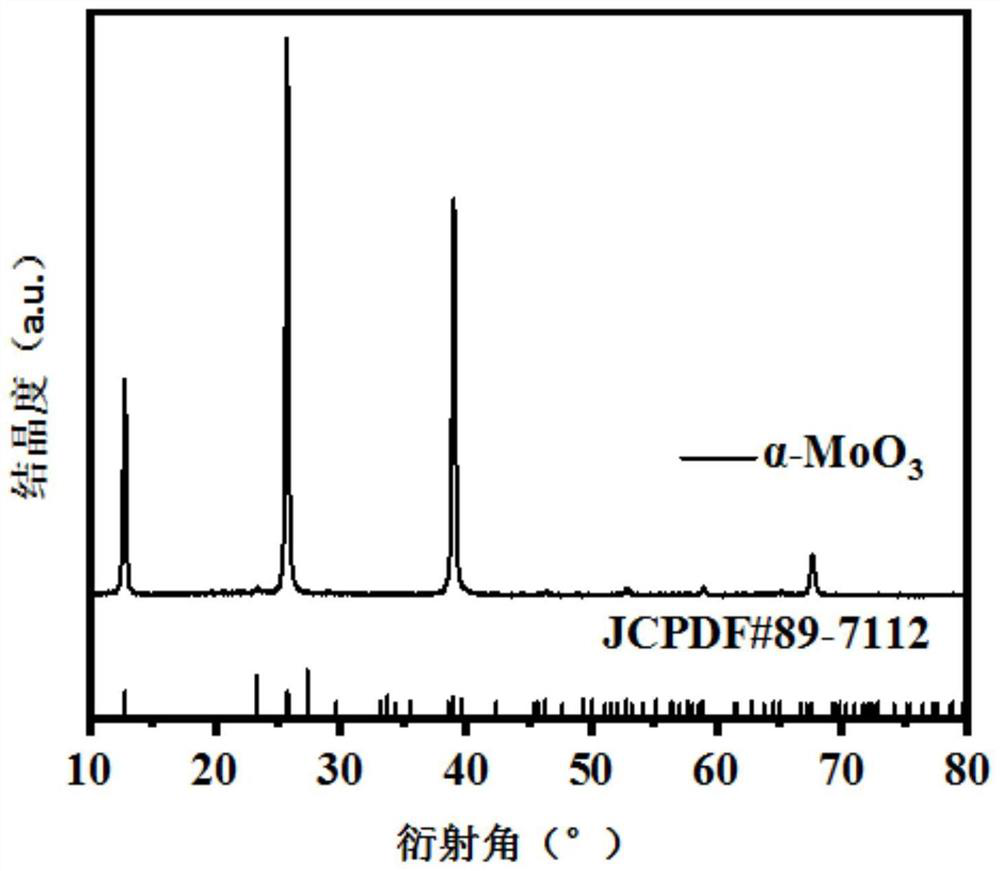
Figure 1 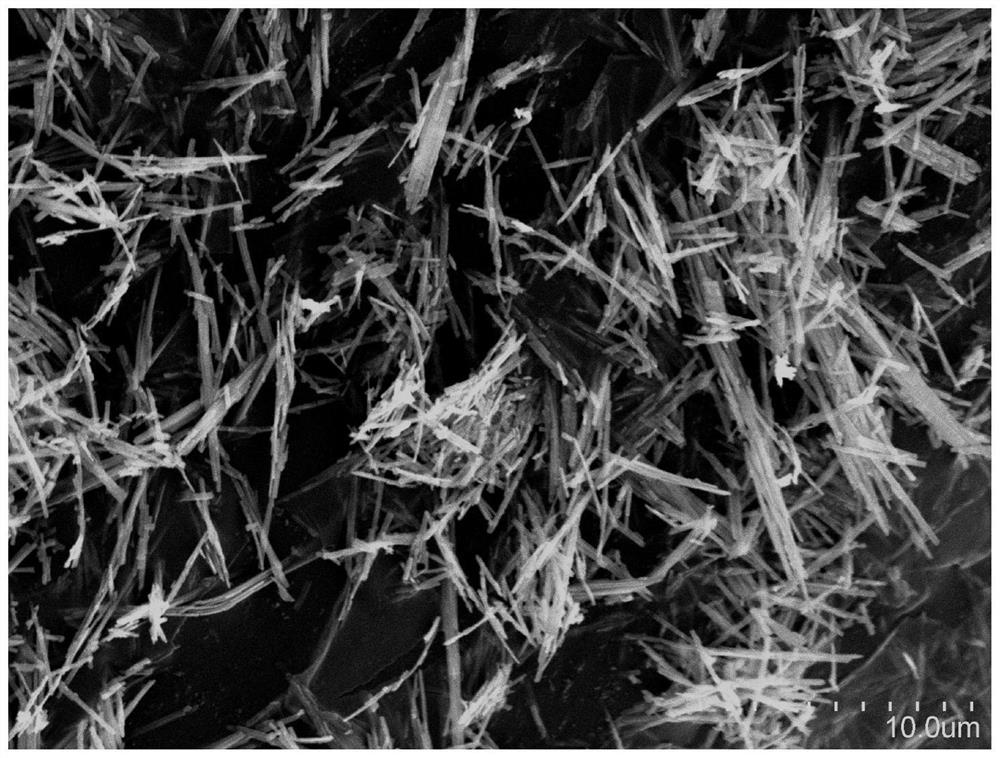
Figure 2 
Figure 3
Abstract
Description
technical field
[0001] The invention belongs to the technical field of hydrogen production, and in particular relates to a molybdenum-based electrocatalyst and a preparation method thereof, a dual-function electrolytic cell and an application thereof. Background technique
[0002] In recent years, the global energy crisis and environmental pollution have seriously endangered the survival of human beings. Therefore, it is very necessary to develop clean and renewable energy. Hydrogen has been widely concerned as a clean energy source. Among many hydrogen production methods, electrocatalytic water splitting is considered to be a widely used hydrogen production method, but this method is also limited by the four-electron half-reaction of water oxidation. Slow kinetics, high overpotentials, and high applied voltages are challenging. The study shows that this limitation can be overcome by replacing the slow water oxidation half-reaction with a more readily oxidizable molecule. ...
Examples
Embodiment 1
[0027] At room temperature, add 1.23g of ammonium molybdate and 0.4g of polyethylene glycol into a beaker filled with 30mL of water, and stir for 30min; then add 5ml of nitric acid with a concentration of 65%-68%, stir for 30min, and transfer to In a polytetrafluoroethylene lining, hydrothermal reaction at a constant temperature of 160°C for 24 hours; after the reaction is complete, naturally cool to room temperature, wash with ethanol and water, centrifuge, and dry, and the product is a molybdenum-based electrocatalyst α -MoO 3 .
[0028] figure 1 Prepared for this example α -MoO 3 The X-ray diffraction (XRD) pattern, as can be seen from the figure, the product prepared in this embodiment is the same as α -MoO 3 The standard card (JCPDS: 89-7112) is consistent, indicating that the prepared product is phase-pure α -MoO 3 electrocatalyst.
[0029] figure 2 Prepared for this example α -MoO 3 Scanning electron microscope (SEM) figure, it can be seen from the figure th...
Embodiment 2
[0031] At room temperature, add 1.2g of ammonium molybdate and 0.4g of polyethylene glycol into a beaker filled with 30mL of water, and stir for 30min; then add 5ml of nitric acid with a concentration of 65%-68%, stir for 30min, and transfer to In a polytetrafluoroethylene lining, hydrothermal reaction at a constant temperature of 160°C for 24 hours; after the reaction is complete, naturally cool to room temperature, wash with ethanol and water, centrifuge, and dry, and the product is a molybdenum-based electrocatalyst α -MoO 3 , its XRD figure and SEM figure are identical with embodiment 1.
Embodiment 3
[0033] At room temperature, add 1.20g of ammonium molybdate and 0.387g of polyethylene glycol into a beaker containing 28mL of water, and stir for 20min; then add 4.9ml of nitric acid with a concentration of 65%-68%, stir for 20min, and transfer Into the polytetrafluoroethylene lining, hydrothermal reaction at a constant temperature of 170 ° C for 22 hours; after the reaction is complete, naturally cool to room temperature, wash with ethanol and water, centrifuge, and dry, the product is molybdenum-based electrocatalyst α -MoO 3 , its XRD figure and SEM figure are identical with embodiment 1.