
Compositions and methods for treating metabolic diseases
A technology for metabolic diseases and compounds, which is applied in the field of compositions for the treatment of metabolic diseases, and can solve problems such as unapproved SGLT1 inhibitors
Patent Information
- Authority / Receiving Office
- CN · China
- Patent Type
- Applications(China)
- Current Assignee / Owner
- Publication Date
- 2022-05-06
Smart Images
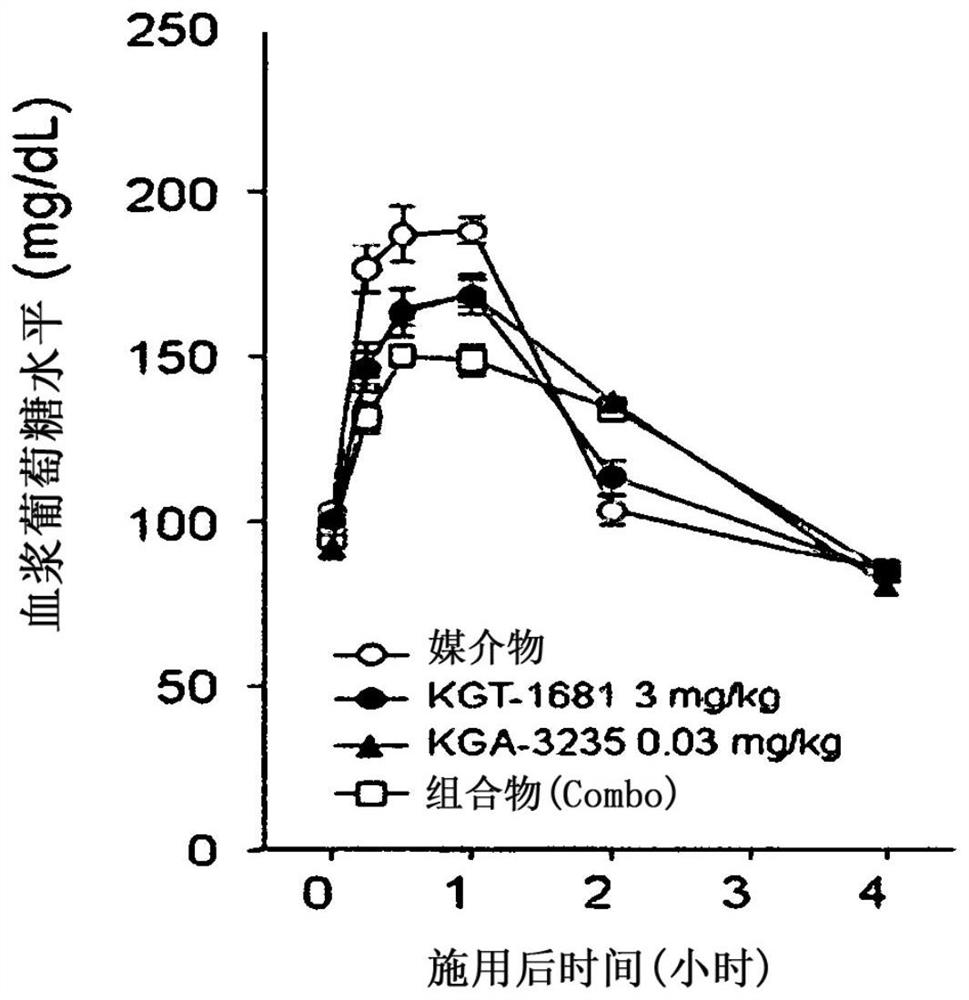
Figure 1 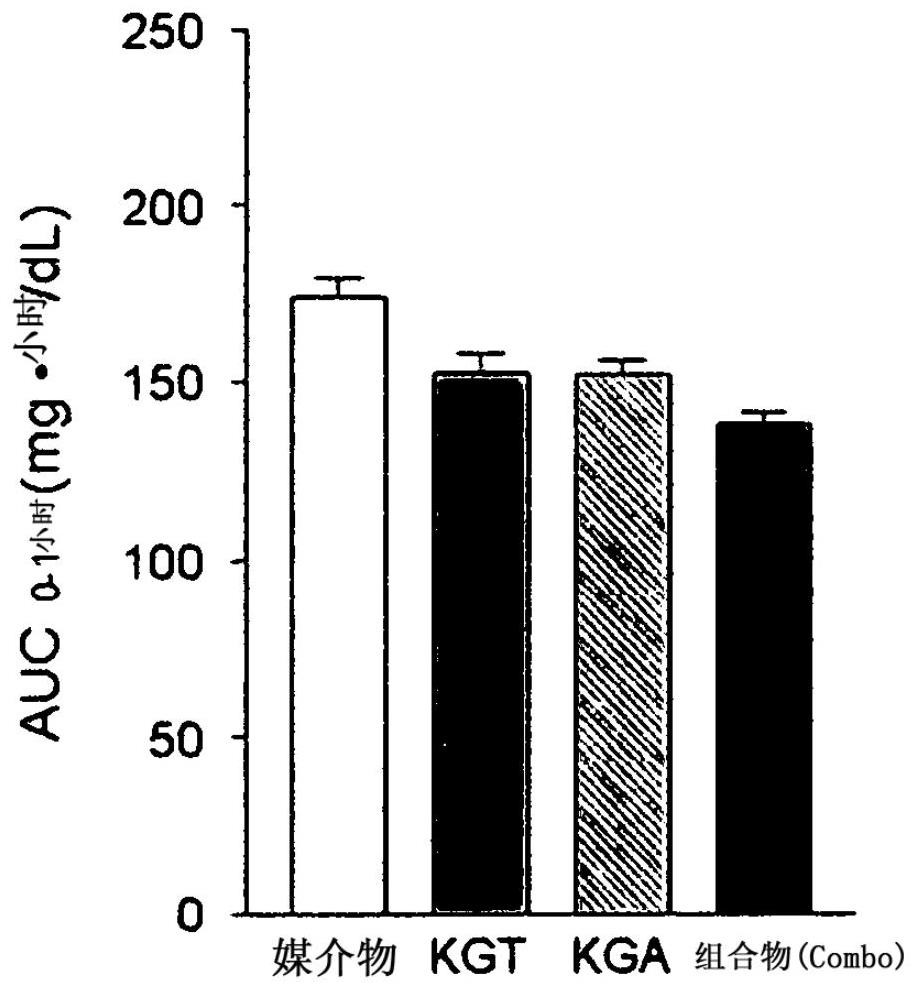
Figure 2 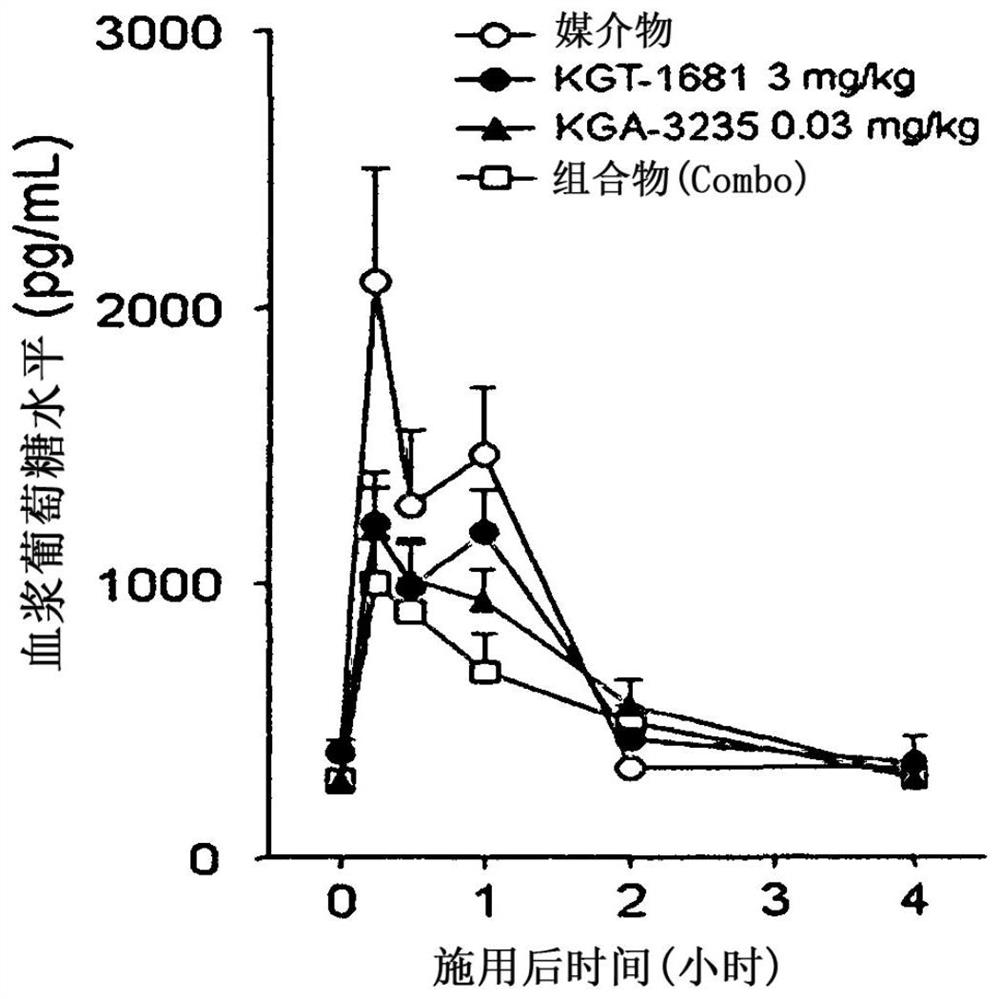
Figure 3
Abstract
Description
technical field
[0001] The invention relates to compositions and methods for treating metabolic diseases. Background technology
[0002] People with abnormal lipid accumulation in the liver, such as nonalcoholic steatohepatitis (NASH), nonalcoholic fatty liver disease (NAFLD), nutritional excess fatty liver, diabetes fatty liver, alcoholic fatty liver, toxic fatty liver, and general fatty liver, are increasing year by year. Most importantly, Nash is especially considered a problem because it shows serious symptoms. (Ishii et al., tanaki et al.). In addition, abnormal lipid accumulation in the liver can lead to liver inflammation or liver fiber formation (cirrhosis), which may then develop into more serious diseases, such as liver cancer. (Ishii et al., tanaki et al., Koike et al., UCHIMURA et al.). Therefore, inhibiting lipid accumulation in the liver is very important to avoid and treat liver diseases.
[0003] The treatments used to treat lipid accumulation in the liver are inc...
Examples
Embodiment 1
[0062] Example 1 Combination therapy of mizoglitazone and rimoglitazone.
[0063] Kgt-1681 and kga-3235 were combined to treat normal rats. Kgt-1681 is suspended in 0.1% methylcellulose (MC), and kga-3235 is dissolved in distilled water (DW). Rats (9 weeks old) were divided into the following four groups and treated according to the instructions: vector, 0.1% MC + DW; KGT, kgt-1681 (3mg / kg, 5ml / kg) plus DW; KGA, 0.1% MC plus kga-3235 (0.03mg / kg, 5ml / kg); And composition (Combo), kgt-1681 plus kga-3235 (3 and 0.03 mg / kg, respectively). After fasting for 16 hours, rats were given oral drugs and glucose solution (400g / L, 5ml / kg). Blood was collected from the caudal vein at each sampling point in heparinized and aprotinin treated tubes. Plasma glucose concentration was measured by glucose CII test Wako (Wako pure chemicals, Osaka, Japan). Plasma insulin was determined using an enzyme-linked immunosorbent assay kit (Morinaga Institute of biological science, Inc., Yokohama, ...