
Fiducial marker for use in stereotactic radiosurgery and process of production
a stereotactic radiosurgery and process of production of fiducial markers, applied in the field of fidu, can solve the problems of high patient burden, and inability to carry out treatment, and achieve the effect of reducing the involuntary migration of fiducial markers, elasticity and flexibility, and reducing the burden on patients
Patent Information
- Authority / Receiving Office
- US · United States
- Patent Type
- Patents(United States)
- Current Assignee / Owner
- Publication Date
- 2018-09-11
Smart Images
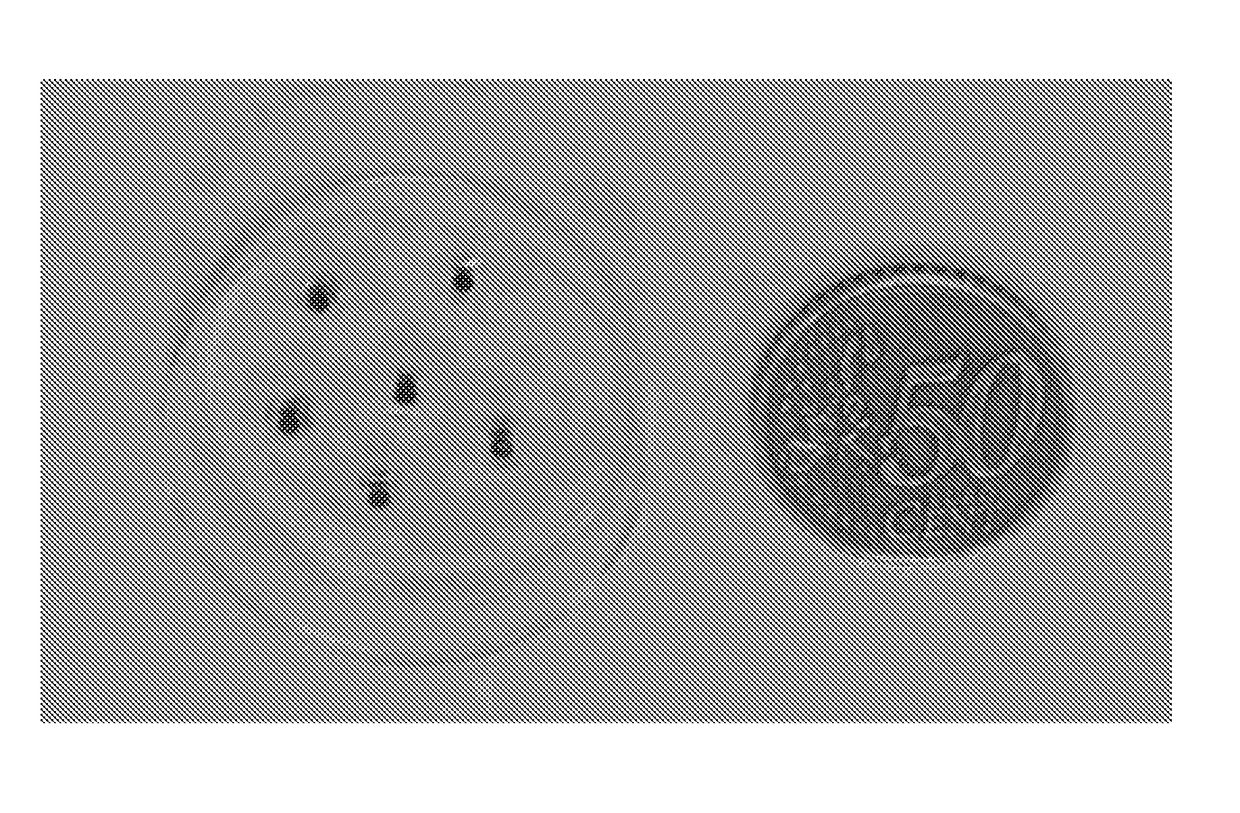
Figure 1 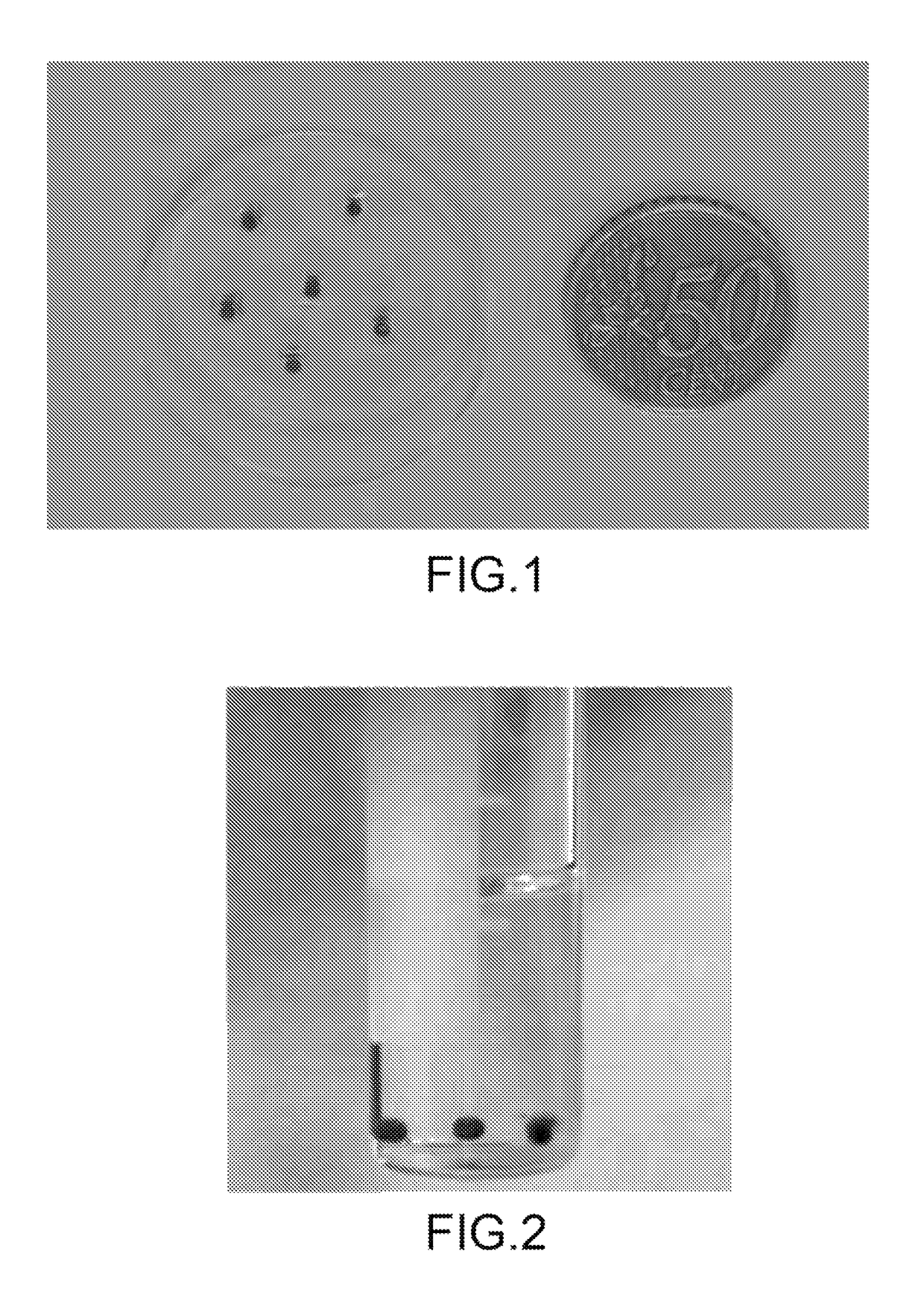
Figure 2
Abstract
Description
CROSS-REFERENCE TO RELATED APPLICATION
[0001] This application is the 35 U.S.C. § 371 national stage application of PCT Application No. PCT / 162016 / 051914, filed Apr. 5, 2016, where the PCT claims priority to and the benefit of, IT Patent Application No. 102015000011062, filed Apr. 7, 2015, both of which are herein incorporated by reference in their entireties.
[0002] The present invention relates to compositions of structured material for use as fiducial markers, particularly in modern stereotactic radiosurgery oncology, and to a process for the preparation thereof.
[0003] Radiotherapy, or the application of ionizing radiation capable of damaging the DNA of a target biological tissue, has proven to be a crucial treatment in modern oncology, alone or in combination with surgical treatment and / or systemic therapy. This evidence is corroborated by the percentage of oncology patients that are subjected to radiotherapy, namely 60%. Therefore, modern radiotherapy oncology is independent of ofte...
Examples
example 1
ON OF THE COLLOIDAL SOLUTION OF NANOPARTICLES
[0079]In a typical example of manufacture, the preparation procedure of the solution of nanoparticles, in this case of gold (AuNPs), is carried out as follows: AuNPs of approximately. 100 nm are synthesized by means of seed-mediated growth (using as seeds particles of gold of 15 nm, capped with citrate, synthesized by procedures of the Turkevich-Frens type). After the synthesis, the particles are stabilized by adding an appropriate amount of 4-2-hydroxyethyl-1-piperazinylethanesulphonic acid (HEPES) (from 1 to 5000 micromolar for example), and are then concentrated by means of repeated centrifugation and redispersal in glycerol until a concentration preferably >50 mg / ml is reached, in this case 300 mg / ml. Such solutions are stable for months even under ambient conditions, and are thus used for encapsulation in the polymer by the general procedure reported below.
example 2
ON OF THE MARKER
[0080]In a typical preparation example, the silicone elastomer Sylgard 184® is used mixed in a 10:1 proportion with the corresponding curing agent. Into the solution thus prepared, a volume of nanoparticulate dispersion prepared as described is added. This is therefore heated so that the decomposing organic peroxides can result in the ethylenic bridge between the polymeric chains. The polymerization temperature does not exceed 60° C. in order not to alter the nanoparticulate solution contained within the fiducial marker that is the object of the study. In an alternative, which is moreover preferred, the silicone elastomer MED-4750® NuSil Technology may be used, the polymerization being carried out according to standard procedures (at ambient temperature for example).
[0081]Fiducial markers of spheroidal shape (of 2 mm diameter for example) were produced using the polymers cited above using the moulding procedure in the mould previously described. The colloidal gold so...