
System, method and apparatuses for reduced-emission micro oil refinery
a technology of micro-oil refinery and micro-oil refining, which is applied in the direction of hydrocarbon oil refining, hydrocarbon oil treatment, multiple-effect/fractional condensation, etc., can solve the problems of government tolerating sun-blocking smog, disrupting the process, and affecting the health of the population, so as to reduce the emission of combustion
Patent Information
- Authority / Receiving Office
- US · United States
- Patent Type
- Patents(United States)
- Current Assignee / Owner
- Publication Date
- 2022-01-04
Smart Images
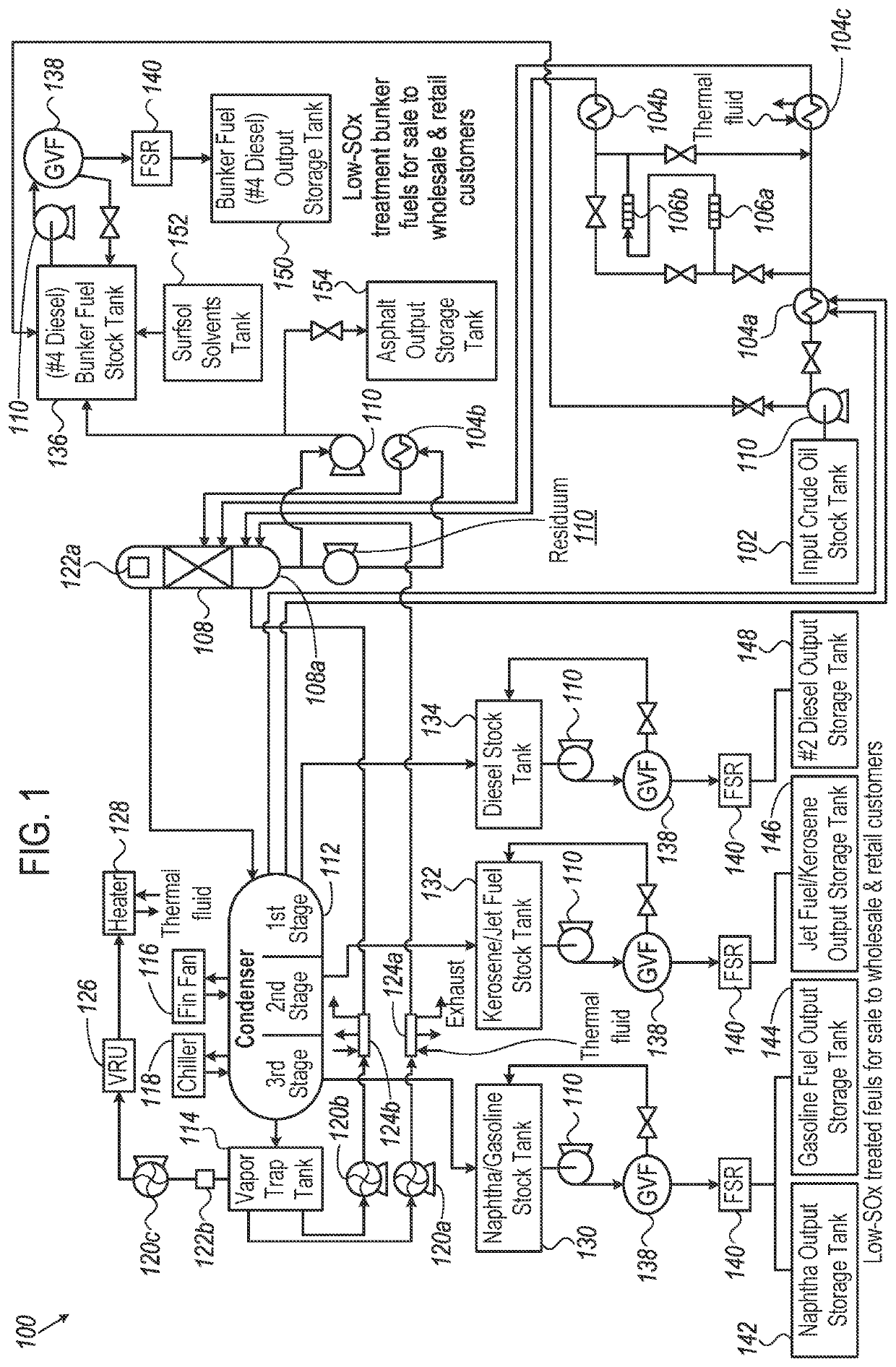
Figure 1 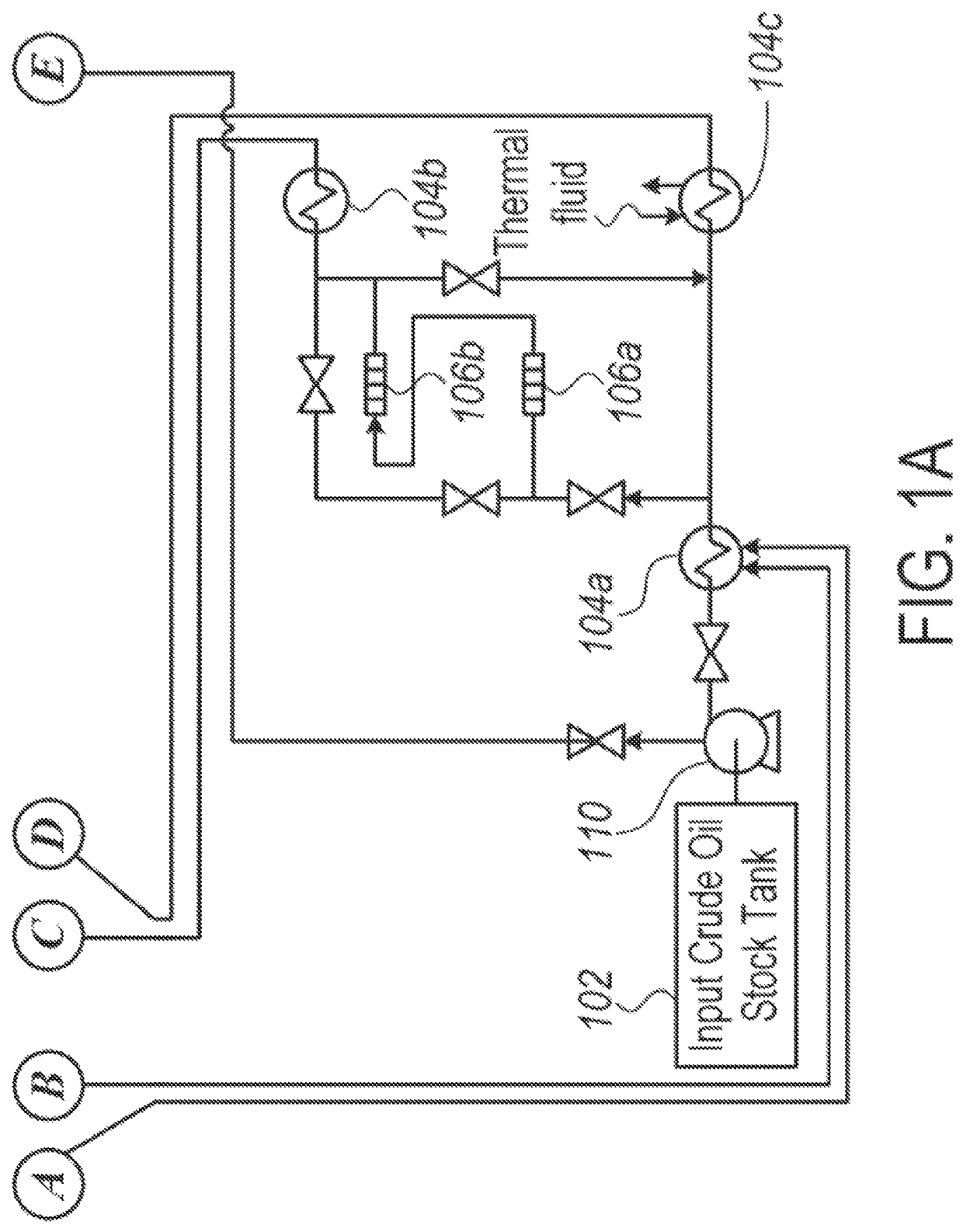
Figure 2 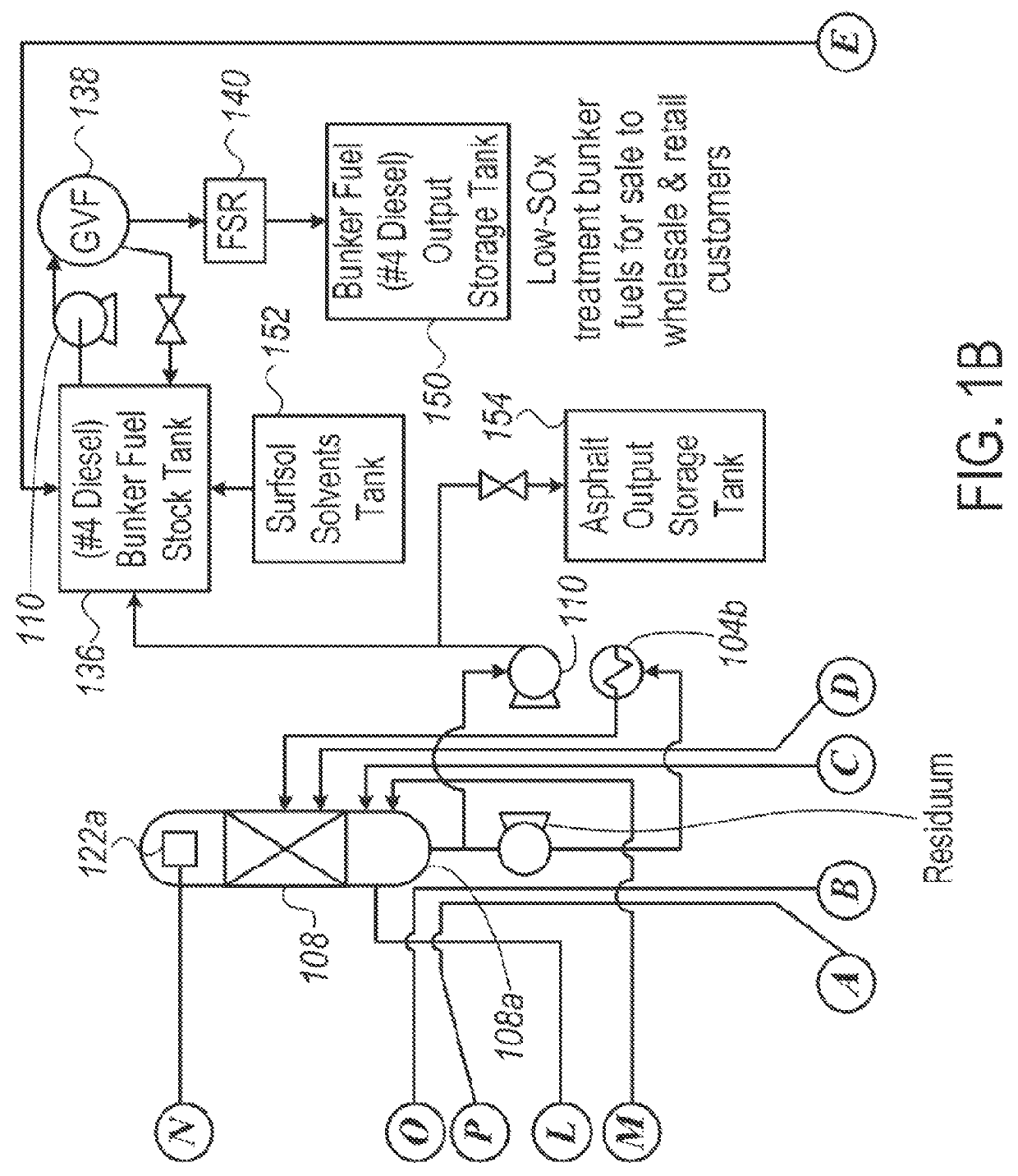
Figure 3
Abstract
Description
TECHNICAL FIELD
[0001] The invention generally relates to a modular or micro / mini crude oil refinery that processes 10,000-100,000 barrels of crude oil per day, and more particularly, relates to an environmentally-friendlier and safer, low-temperature and low-pressure system, process and apparatus for refining crude oil with reduced refining emissions to produce higher-purity, cleaner-burning bunker fuels, jet fuels, diesel fuels and gasoline fuels with reduced combustion emissions of SOx and NOx, using a software-controlled automation method to control the production of these designer fuels.BACKGROUND
[0002] The properties of hydrocarbons depend on the number and arrangement of the carbon and hydrogen atoms in the molecules. Hydrocarbons containing up to four carbon atoms are usually gases, those with 5 to 19 carbon atoms are usually liquids, and those with 20 or more carbon atoms are solids. Crude oils range in consistency from water to tar-like solids, and in color from clear to blac...
Examples
working examples
[0064]Example 1: The table as shown below is an example, that illustrates the breakdown of the higher-purity, cleaner-burning designer fuels (in %) which may be produced from the process, when light crude oil having >27 API gravity is used as the input crude oil feedstock. The ratio amounts of different fuels produced in the process is completely based upon the characteristics of the input crude oil, including viscosity, gravity, sulfur content, asphaltene content, paraffin content. Based on these parameters, the automation process calculates the most optimal mix of output fuel depending on the real-time price and demands of the fuels. If the input crude oil has an API of 60% of its volume as Asphalt and 25 gravity, which is light crude oil, then that will produce a wide range of fuels as shown in table below. This table may be used for determining profits and the amounts of ester additives to be added into the finished fuels.
[0065]
TABLE 1Annual fuel production ratios from the proce...