
Electrode structure of organic electroluminescent display panel and method of manufacturing the same
Patent Information
- Authority / Receiving Office
- US · United States
- Current Assignee / Owner
- Publication Date
- 2006-02-23
- Estimated Expiration
- Not applicable · inactive patent
Smart Images
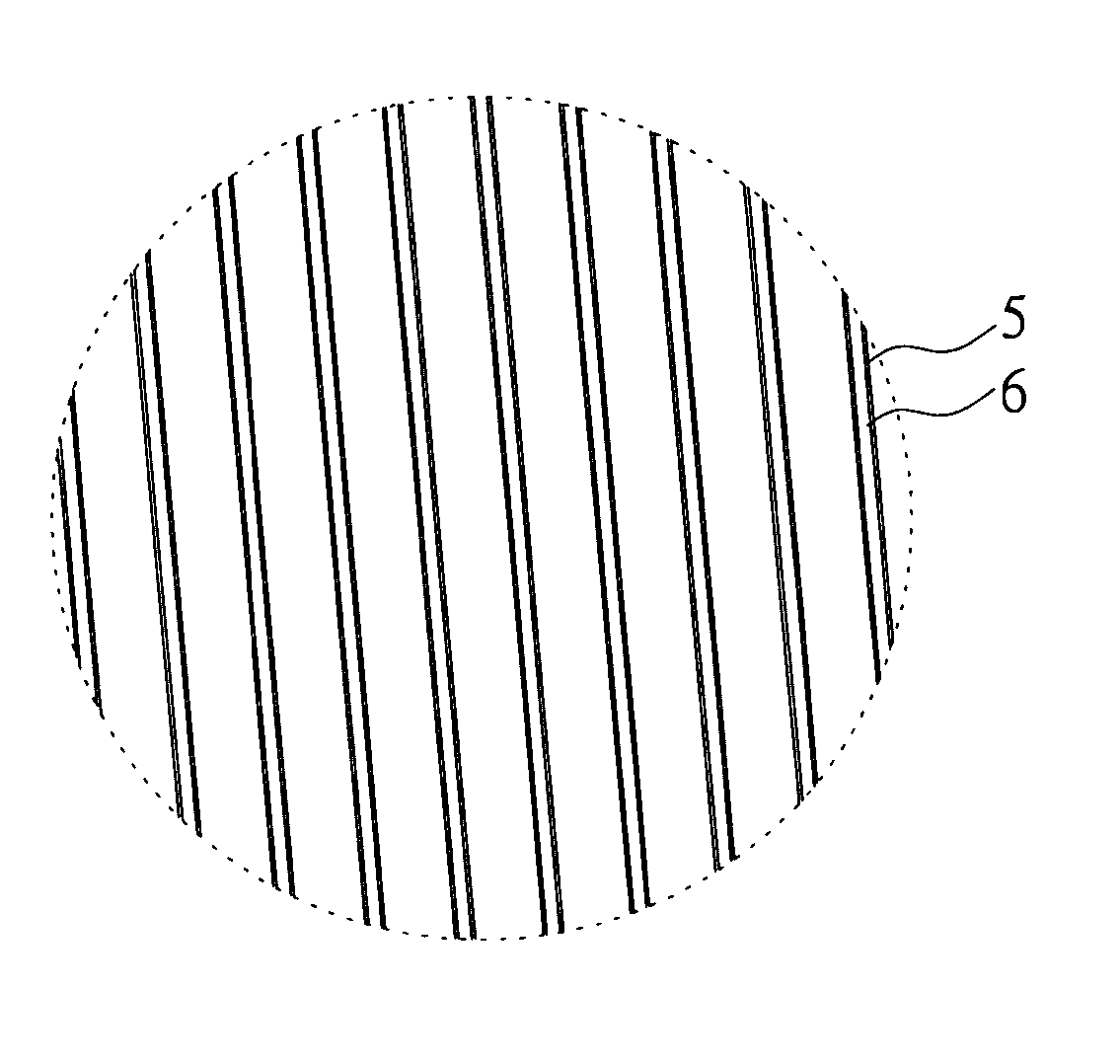
Figure 1 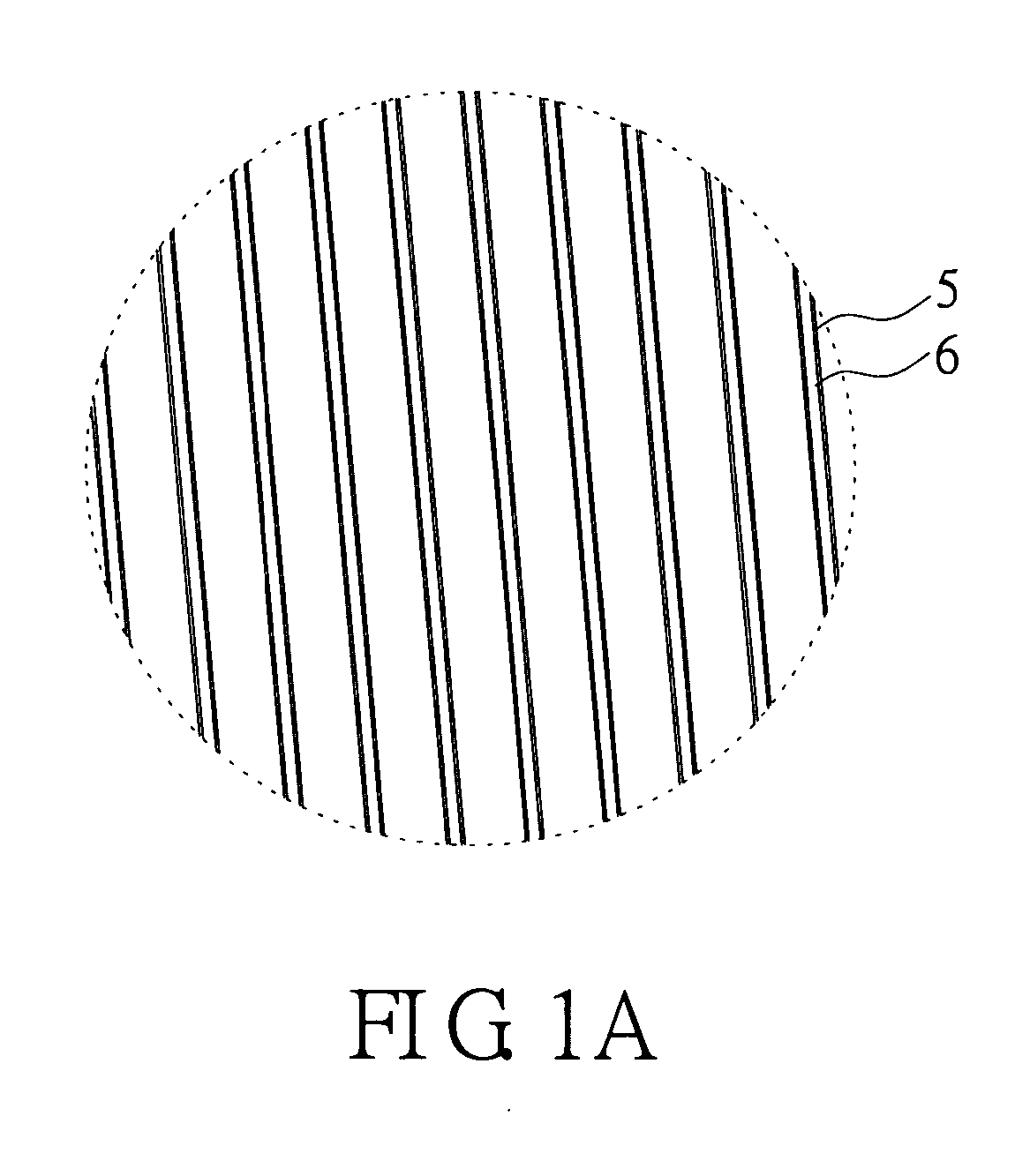
Figure 2 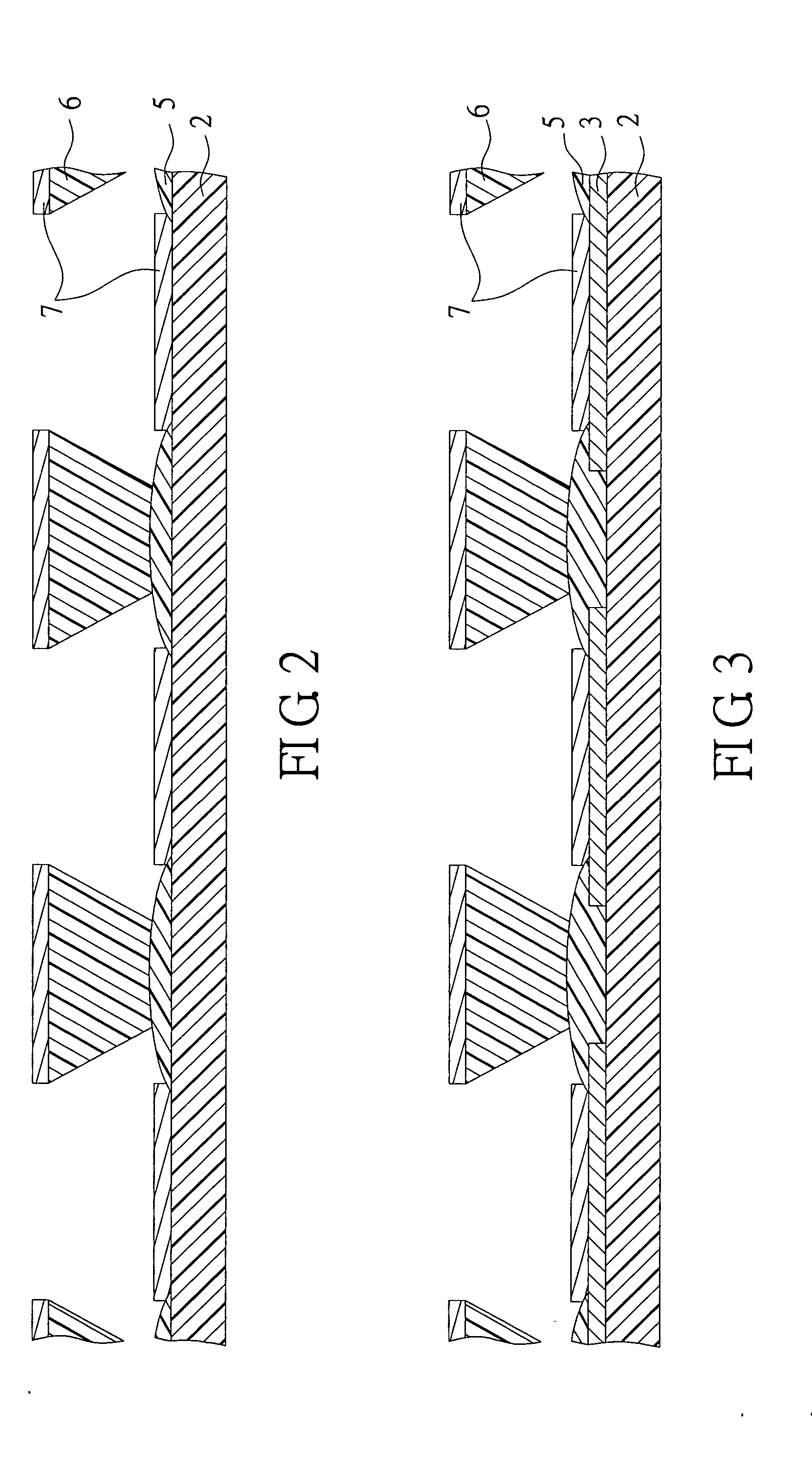
Figure 3
Abstract
Description
FIELD OF THE INVENTION
[0001] The present invention is related to an organic electroluminescent display panel and more particularly to an organic electroluminescent display panel with an external electrode leading wire with low impedance. BACKGROUND
[0002] Organic electroluminescence means a phenomenon using injection and compound of carriers to cause light emitting driven by an electric current. The principle is respectively using transparent electrodes made of ITO, IZO or IWO etc. materials and metallic electrodes as an anode and cathode of elements. Under a certain voltage driving, electrons and holes respectively inject to electronic and hole transport layers from the cathode and anode such that the electrons and the holes are moved to light emitting layer respectively through the electronic and hole transport layers and met in the light emitting layer to make light emitting molecules arouse visible light. The technical features of the organic electroluminescence comprises: self...
Examples
first embodiment
[0021] the electrode structure of the organic electroluminescent display panel 10 of the present invention as shown in FIG. 2 comprises a transparency substrate 2, an isolation area 5 provided on the transparency substrate 2 as isolation, a separation area 6 provided on the isolation area 5 with a raised predetermined height to separate electrical interference, and at least one metallic conductive layer 7 provided on the transparency substrate 2 and the separation area 6. The isolation area 5 isolates the electrical connection of adjacent leading wires. The separation area 6 with the predetermined height separates from and electrically isolates the metallic conductive layers 7 respectively provided on the separation area 6 and the transparency substrate 2 and further avoids from electrical interference of adjacent leading wires. Besides, the at least one metallic conductive layer 7 on the separation area 6 and the at least one metallic conductive layer 7 on the transparency substrat...
second embodiment
[0022] the electrode structure of the organic electroluminescent display panel 10 of the present invention as shown in FIG. 3 comprises a transparency substrate 2, a leading wire pattern layer 3 provided on the transparency substrate 2, an isolation area 5 provided on the leading wire pattern layer 3 as isolation, a separation area 6 provided on the isolation area 5 with a raised predetermined height to separate electrical interference, and at least one metallic conductive layer 7 provided on the leading wire pattern layer 3 and the separation area 6. The isolation area 5 isolates the electrical connection of adjacent leading wires. The separation area 6 with the predetermined height separates from and electrically isolates the metallic conductive layers 7 respectively provided on the separation area 6 and the leading wire pattern layer 3 and further avoids from electrical interference of adjacent leading wires. Besides, the at least one metallic conductive layer 7 on the separation...
third embodiment
[0023] the electrode structure of the organic electroluminescent display panel 10 of the present invention as shown in FIG. 4 comprises a transparency substrate 2, a leading wire pattern layer 3 provided on the transparency substrate 2, at least one auxiliary metallic conductive layer 4 provided on the leading wire pattern layer 3, an isolation area 5 provided on the leading wire pattern layer 3 as isolation, a separation area 6 provided on the isolation area 5 with a raised predetermined height to separate electrical interference, and at least one metallic conductive layer 7 provided on the auxiliary metallic conductive layer 4 and the separation area 6. The isolation area 5 isolates the electrical connection of adjacent leading wires. The separation area 6 with the predetermined height separates from and electrically isolates the at least one metallic conductive layer 7 provided on the separation area 6 and the at least one metallic conductive layer 7 provided on the auxiliary met...