
Isoflavonoid Prodrugs, Compositons Thereof and Therapeutic Methods Involving Same
Patent Information
- Authority / Receiving Office
- US · United States
- Current Assignee / Owner
- Publication Date
- 2007-10-18
- Estimated Expiration
- Not applicable · inactive patent
Smart Images
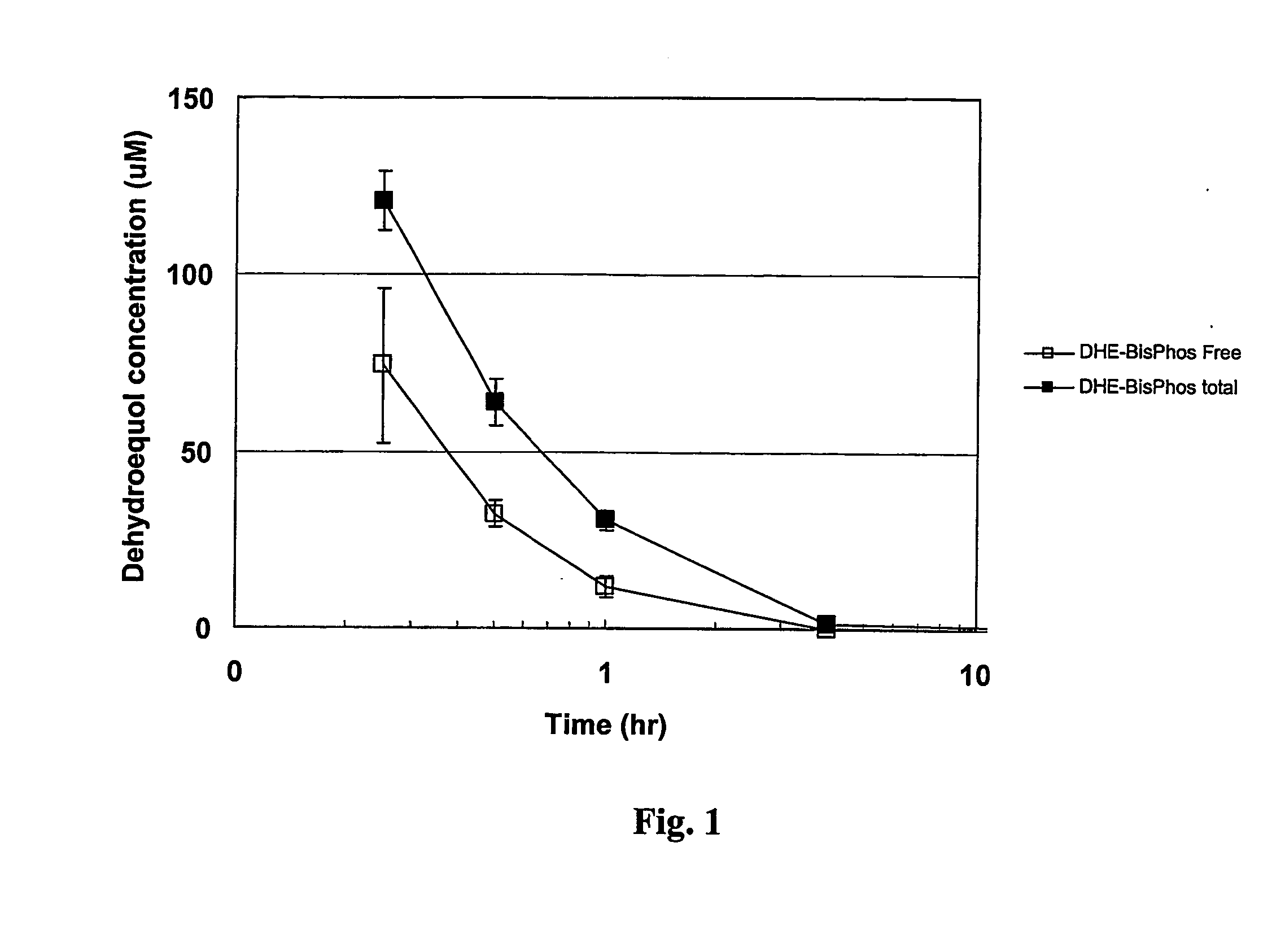
Figure 1 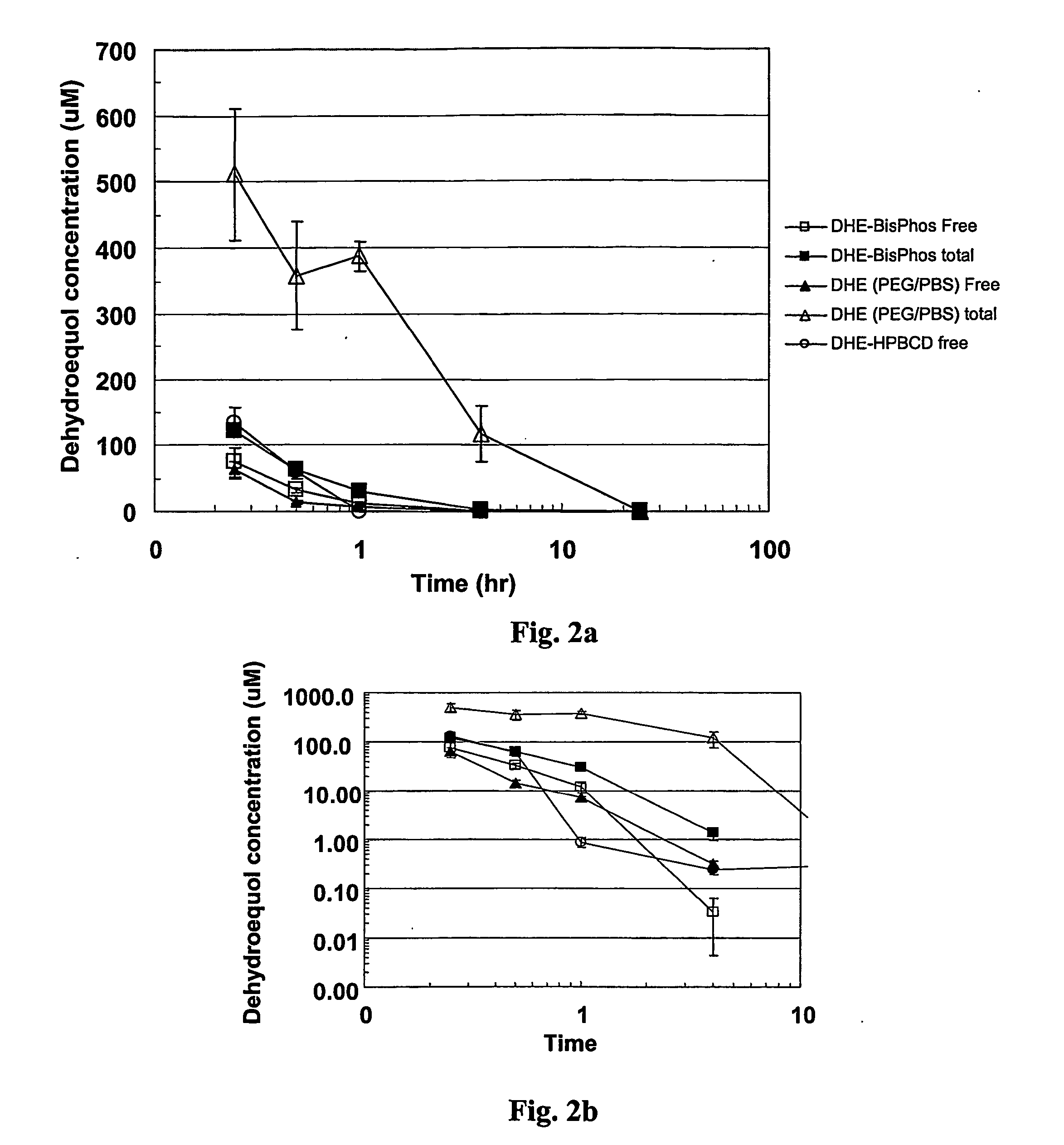
Figure 2 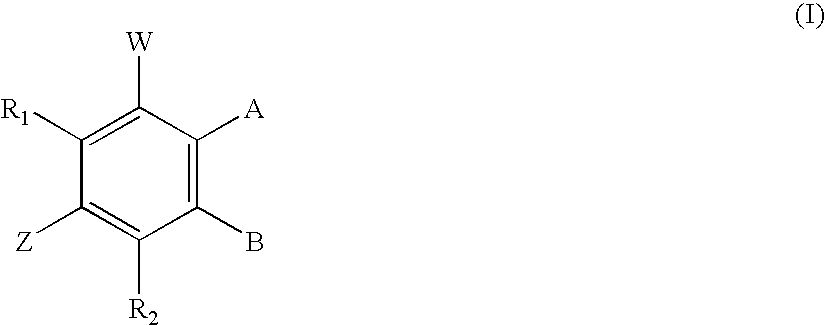
Figure 3
Abstract
Description
FIELD OF THE INVENTION
[0001] This invention relates to compounds, formulations, drinks, foodstuffs, methods and therapeutic uses involving, containing, comprising, including and / or for preparing certain isoflavene prodrugs and analogues thereof. In particular, the invention relates to phosphate esters of isoflavonoids and derivatives, medicaments involving same and therapeutic uses thereof. BACKGROUND
[0002] Isoflavones and many derivatives thereof possess a very wide range of important biological properties including oestrogenic effects. Isoflavones such as genistein and daidzein have been shown to be involved in the modulation or attenuation of levels of estrogenic steroids in the body. More recently, isoflavenes and in particular dehydroequol have been shown to possess strong chemotherapeutic properties. In some areas of biological activity, there are even some contradictions, for example, some isoflavonoids act as agonists of the estrogen receptor while others act as antagonist...
Examples
example 1
Phosphate Esters of Dehydroequol
[0113] A solution of dehydroequol (120 mg, 0.5 mmole) and di-tert-butyl phosphoramidite (330 ul, 1.0 mmole) in DMF (1 ml) is stirred under argon while 1H-tetrazole (210 mg in 0.5 ml of DMF; 3.0 mmole) is added dropwise. The solution is cooled to −20° C., then a solution of m-chloroperbenzoic acid (260 mg in 0.5 ml of methylene chloride, 1.5 mmole) is added dropwise. After warming to room temperature, the mixture is diluted threefold with ethyl acetate, then washed with 10% sodium metabisulphite and 10% sodium bicarbonate.
[0114] The ethyl acetate solution, containing the butyl esters of the dehydroequol phosphates, is washed with 1M HCl and dried over sodium sulfate. After removal of the solvent in vacuo, the residue is treated with 30% TFA in acetic acid for 90 minutes at room temperature. The solvents are removed in vacuo, and the residue is taken up in ethanol and neutralised with sodium hydroxide to pH 5.5. Removal of the solvent in vacuo affords...
example 2
Dehydroequol- 7-phosphate
[0119] Dehydroequol with its hydroxy group protected at the pendant phenyl 4′-position undergoes reaction according to Example 1 to afford the corresponding 7-phosphate derivative. Any suitable protective group may be employed including MOM or MEM ethers and benzylic ethers. These groups optionally may be removed after phosphorylation. The protecting groups where used may be incorporated in the synthesis of the isoflavonoid starting materials following any of the methods referred to herein, or may be attached at a later time by taking advantage of synthons, chemical reactivity, polarity, electronic considerations, or steric conditions on or near any of the target hydroxy groups.
[0120] By these methods mono- di- and per-phosphorylated derivatives of compounds 1-22 described herein are synthesised. The phosphorus acids and pharmaceutically acceptable salts thereof are thus prepared. Proton or carbon magnetic resonance spectra, IR and / or mass spectra was used...
example 3
[0121] The bioavailability of the isoflavonoid phosphoric esters of the invention are tested by the in vitro hydrolysis of the dehydroequol phosphates by various enzymes and biological media. Results are determined by measuring the amount of free dehydroequol by HPLC. The sera and media used include human serum, human blood, rat blood, alkaline phosphatase type VII-S (bovine intestinal mucosa) and alkaline phosphatase type XXIV (human placenta).
[0122] The bioavailability and conversion rate from the ester depends on a number of factors including the nature of the phosphate ester and substitutions thereon, the media, any enzymes present, the temperature and pH. By controlling these various parameters, it is found that some degree of regulation or control can be obtained by altering the half-life of the ester prodrug to better match the desired bioavailability rate.