
Devices to Support, Measure and Characterize Luminal Structures
a luminal structure and device technology, applied in the direction of guide wires, catheters, applications, etc., can solve the problems of life-threatening problems, irregular heart rhythms, and the left ventricle working harder to maintain adequate blood flow through the body, so as to reduce the risk of bleeding and the difficulty of immobilization and closing
Patent Information
- Authority / Receiving Office
- US · United States
- Patent Type
- Applications(United States)
- Current Assignee / Owner
- Publication Date
- 2014-10-02
- Estimated Expiration
- Not applicable · inactive patent
Smart Images
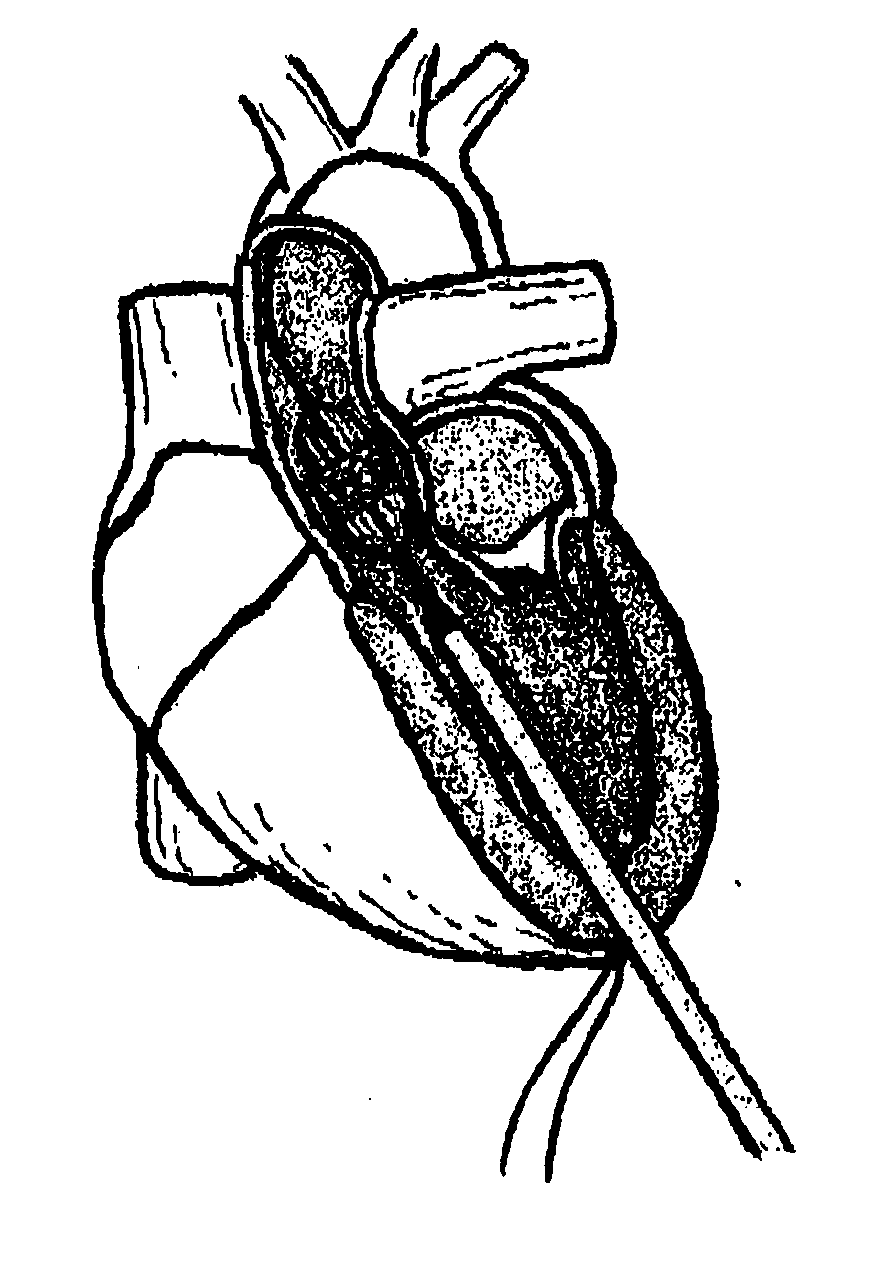
Figure 1 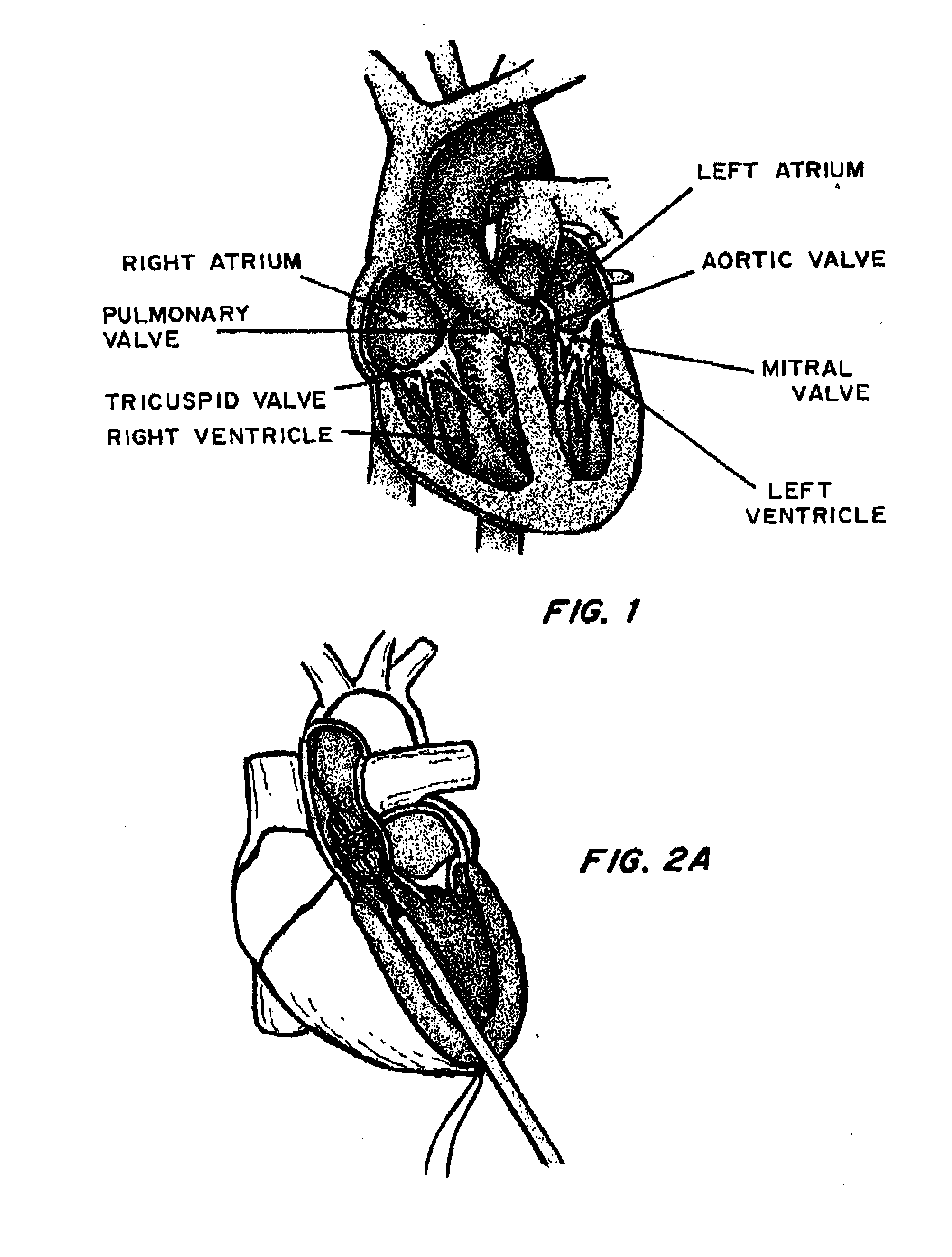
Figure 2 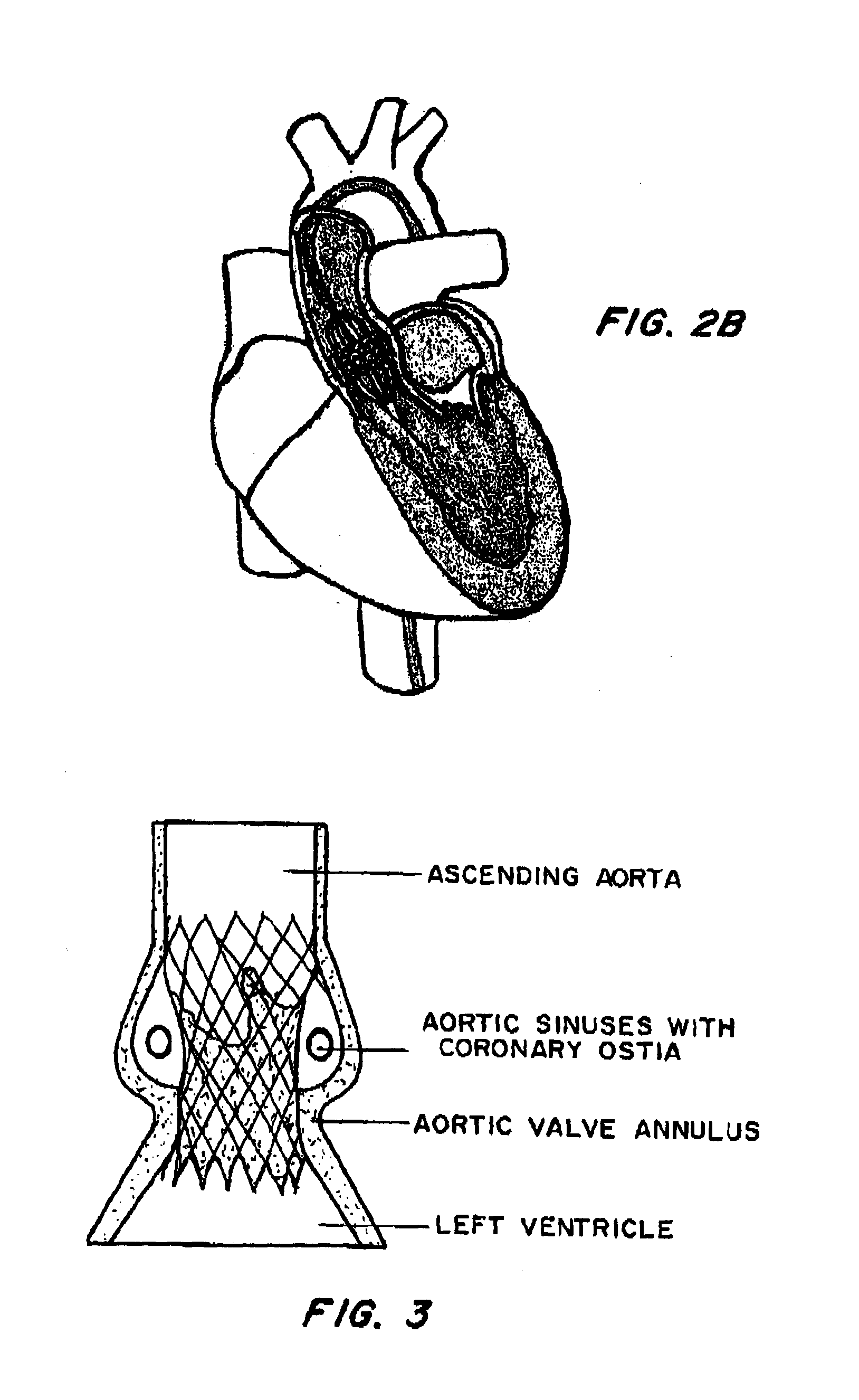
Figure 3
Abstract
Description
CROSS REFERENCE TO RELATED APPLICATIONS
[0001] This application claims priority to U.S. Ser. No. 61 / 549,058 filed Oct. 19, 2011.FIELD OF THE INVENTION
[0002] The invention is generally directed to a sheath introducer for use during endolumenal procedures such as Transcatheter Aortic-Valve Implantation (TAVI), a device for determining an accurate size of an endoluminal structure in which a prosthesis is to be inserted, a device for closure of an endoluminal access entry wound and methods of use thereofBACKGROUND OF THE INVENTION
[0003] Aortic stenosis, also known as aortic valve stenosis, is a coronary disease characterized by an abnormal narrowing of the aortic valve. The narrowing prevents the valve from opening fully, which obstructs blood flow from the heart into the aorta. As a result, the left ventricle has to work harder to maintain adequate blood flow through the body. If left untreated, aortic stenosis can lead to life-threatening problems including heart failure, irregular heart ...
Examples
Embodiment Construction
[0037]FIG. 1 is a cross-sectional view of the heart. In procedures such as TAVI, a catheter is inserted through an introducer sheath into the chambers of the heart to position a replacement aortic valve over and in place of the existing valve. Different approaches may be used to achieve the same goal, as shown by FIGS. 2A (transapical approach) and 2B (transfemoral approach). FIG. 3 shows the inserted device, positioned between the ascending aorta and the left ventricle, at the annulus.
[0038]Commercially available values include the Medtronic CoreValve® and the Edwards Sapien™ THV. The CoreValve® system is a self-expandable nitinol stent with an inner porcine pericardial valve, designed to sit into the aortic root and to anchor into the aortic annulus. However, the valve function is more supra-annular and a skirt of pericardium, bordering the lower portion of the stent-valve, prevents paravalvular leaks. The valve is available in two sizes, the 26 mm and the 29 mm, and the delivery ...