
Manufacturing method
Patent Information
- Authority / Receiving Office
- US · United States
- Current Assignee / Owner
- Publication Date
- 2019-06-27
- Estimated Expiration
- Not applicable · inactive patent
Smart Images
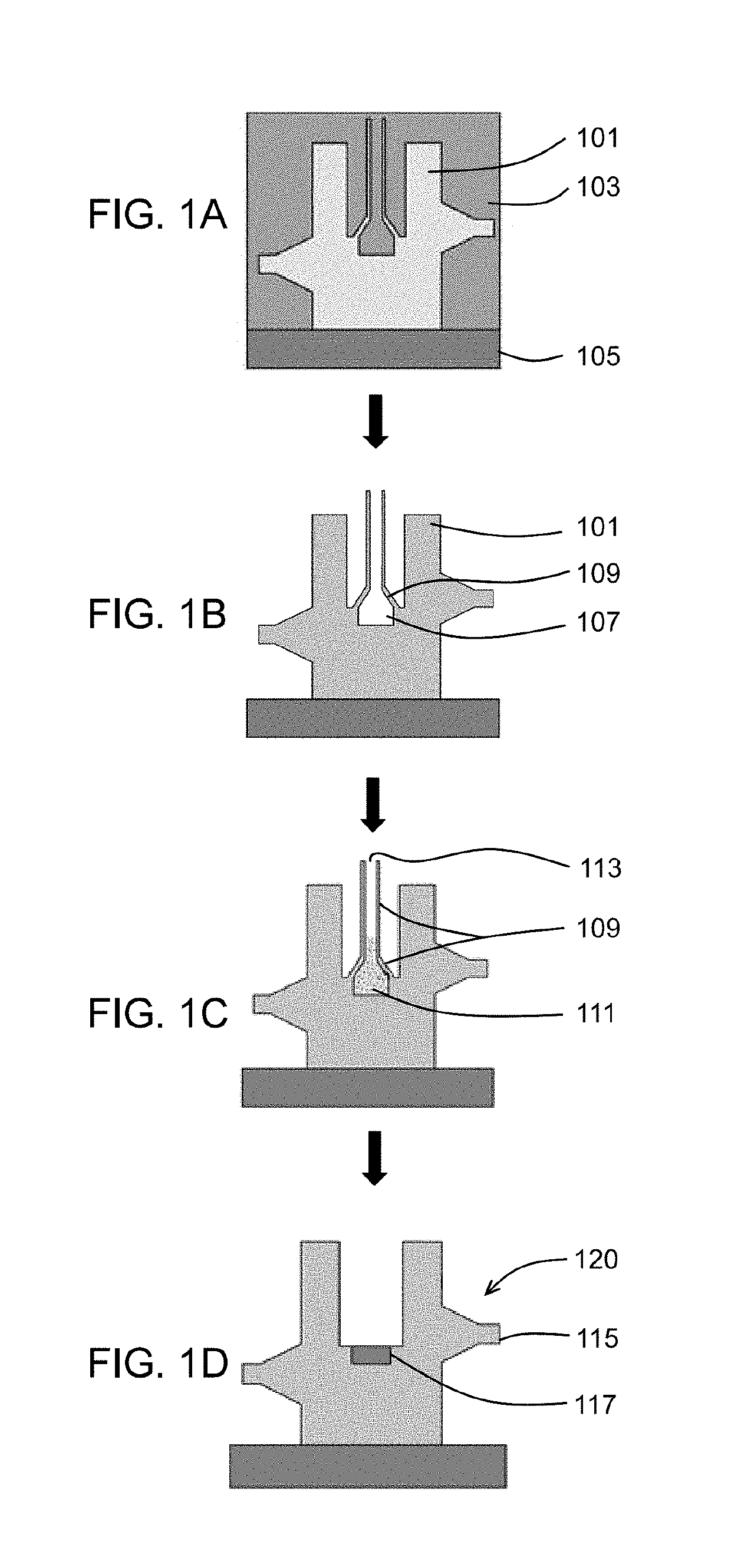
Figure 1 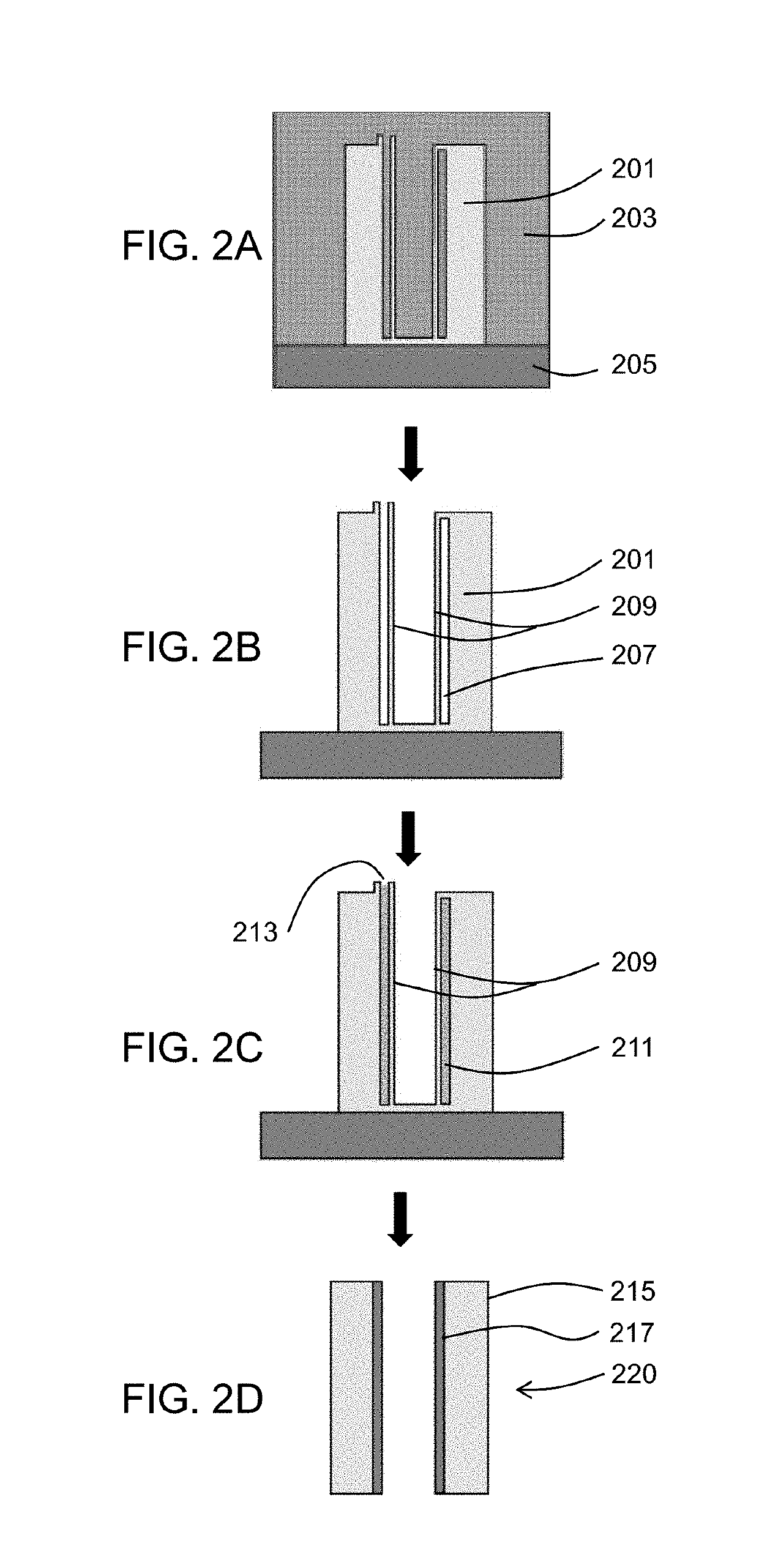
Figure 2 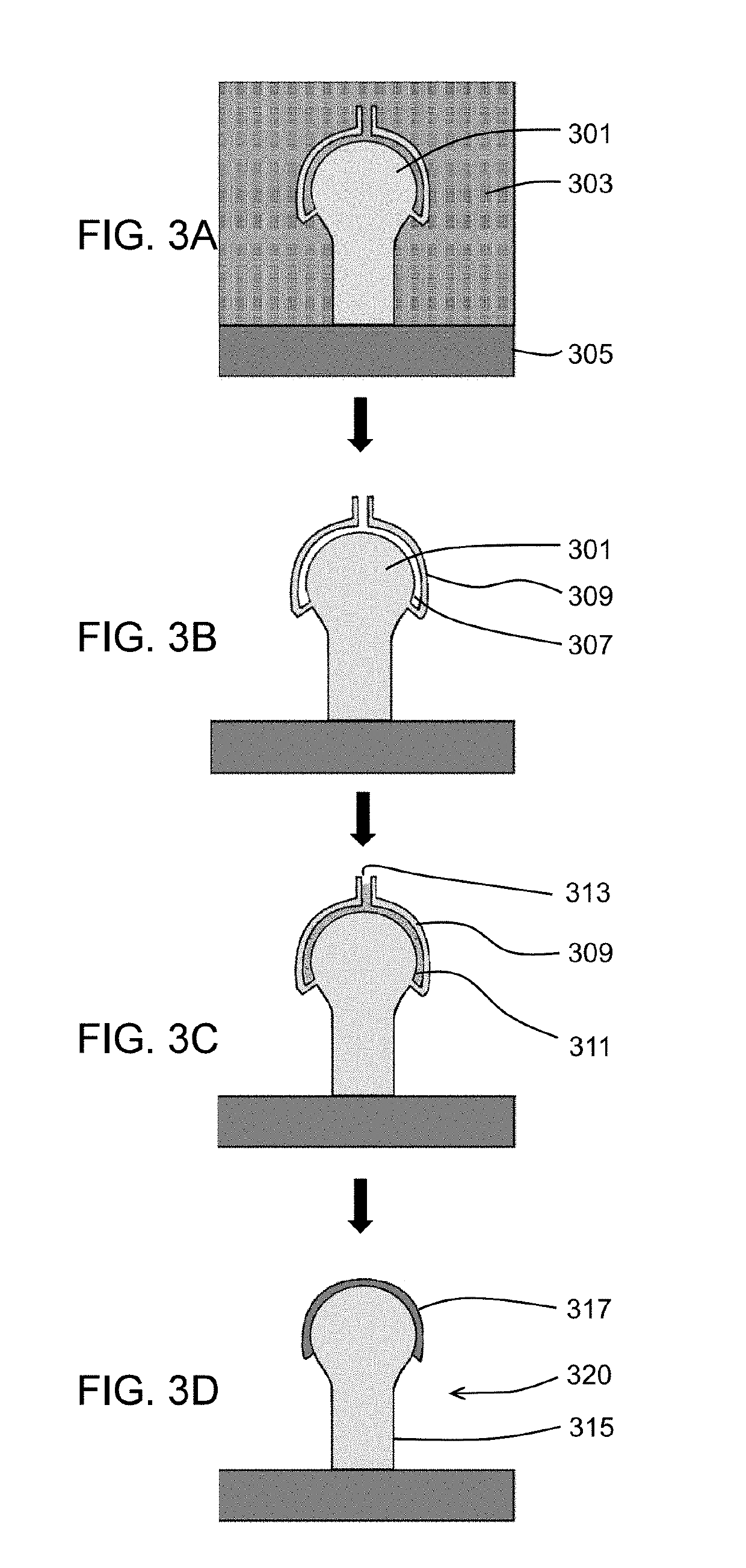
Figure 3
Abstract
Description
CROSS-REFERENCE TO RELATED APPLICATIONS
[0001] This application is based upon and claims the benefit of priority from UK Patent Application No. GB 1721769.6, filed on 22nd December 207, the entire contents of which are incorporated herein by reference.BACKGROUNDTechnical Field
[0002] The present disclosure relates to a method of manufacturing a component formed of multiple materials. More specifically, it relates to a method of manufacturing a component formed of multiple materials using hot isostatic pressing.Description of the Related Art
[0003] Hot isostatic pressing (HIP) is a well-known manufacturing or processing technique in which high isostatic pressure is applied to a material, typically a powder within a canister, at an elevated temperature to provide isostatic compression. Typically, this process is performed in an inert atmosphere, e.g. in an argon gas atmosphere. This has applications in reducing the porosity and increasing density of metal and ceramic materials, or in formin...
Examples
Embodiment Construction
[0035]FIG. 1 shows selected schematic sections taken throughout a method of manufacture of a valve with hard facing.
[0036]FIG. 1A shows the step of forming the component body 101, here a valve body using an additive manufacturing process of laser melting / sintering. In a manner well-known to those in the art, a powder bed 103 is placed on a supporting baseplate 105, and selected areas of the powder bed as defined by a 3D product model are melted using a laser to form a solid component body. After the additive manufacture process is complete, the solid component body is surrounded by un-melted powder which is subsequently removed once the melting / sintering process is complete to leave the component body as shown in FIG. 1B. The powder is typically vacuumed away, however where the internal features are complex, the component may be manipulated to encourage the powder to flow out. For very complex parts, ultrasonic wash stations may be used. The component body is here made entirely from...