

Rat II type primary alveolar epithelial cell extraction method
A technology of alveolar epithelium and extraction method, which is applied in cell dissociation methods, respiratory/lung cells, animal cells, etc., can solve the problems of waste of digestive juice, low utilization rate of digestive juice, and long time consumption, so as to increase digestion efficiency and utilization The effect of high efficiency, stable and rapid digestion, and shortened total digestion time
- Summary
- Abstract
- Description
- Claims
- Application Information
AI Technical Summary
Problems solved by technology
Method used
Image


Examples
Embodiment 1
[0021] Equipment needed: healthy rats, large petri dishes, intravenous infusion needles, catheters (intravenous infusion needles), black thread, 15ml pancreatin, 15ml type I collagenase, syringes, centrifuge tubes.
[0022] Steps:
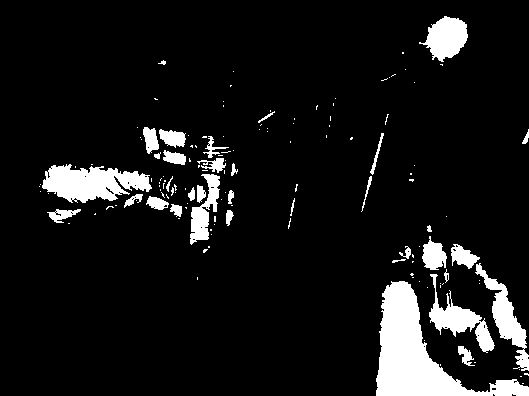
[0023] ①Bind the intravenous infusion needle and the trachea: dissect the bronchi and the two lungs connected to it from the rat, flush the residual blood, remove the necrotic tissue, place it in a large petri dish, and place the intravenous infusion needle 1 cm from the tip with forceps Break it and retain the 1cm needle (to prevent the sharp needle tip from puncturing the trachea), insert the intravenous needle into the trachea of the lung, fix the trachea and the needle with a hemostatic forceps, and then bind the intravenous needle and trachea with a black thread ( 3 turns on the top and bottom) (such figure 1 Shown);
[0024] ②Quickly inject the digestive juice: Pour 15ml 0.25% pancreatin and 15ml 0.1% type I collagenase into a 50ml centrifuge tub...
Embodiment 2
[0031] Equipment needed: healthy rats, large petri dishes, intravenous infusion needles, catheters (intravenous infusion needles), black thread, 15ml pancreatin, 15ml type I collagenase, syringes, centrifuge tubes.
[0032] Steps:
[0033] ①Bind the intravenous infusion needle and the trachea: dissect the bronchi and the two lungs connected to it from the rat, flush the residual blood, remove the necrotic tissue, place it in a large petri dish, and place the intravenous infusion needle 1 cm from the tip with forceps Break and keep the 1.2cm needle (to prevent the sharp needle from puncturing the trachea), insert the intravenous needle into the trachea of the lung, fix the trachea and the needle with a hemostatic forceps, and then bind the intravenous needle and trachea with a black thread (3 turns on each side) (e.g. figure 1 Shown);
[0034] ②Quickly inject the digestive juice: Pour 15ml 0.25% pancreatin and 15ml 0.1% type I collagenase into a 50ml centrifuge tube and mix evenly ...
PUM
 Login to View More
 Abstract
Description
Claims
Application Information
 Login to View More