
Methods of screening compounds for their ability to inhibit the production of inflammatory cytokines
a technology of inflammatory cytokines and compound screening, which is applied in the field of screening for the ability of a compound to inhibit the production of inflammatory cytokines, can solve the problem of ineffective release of mature cytokines in the absence of a secondary stimulus
- Summary
- Abstract
- Description
- Claims
- Application Information
AI Technical Summary
Benefits of technology
Problems solved by technology
Method used
Image

Examples
Embodiment Construction
The procedure by which the DNA and protein sequences corresponding to the DASU binding proteins were identified and the use of agents that bind to these proteins as inhibitors of stimulus-coupled posttranslational processing are described below.
Discovery of DBPs
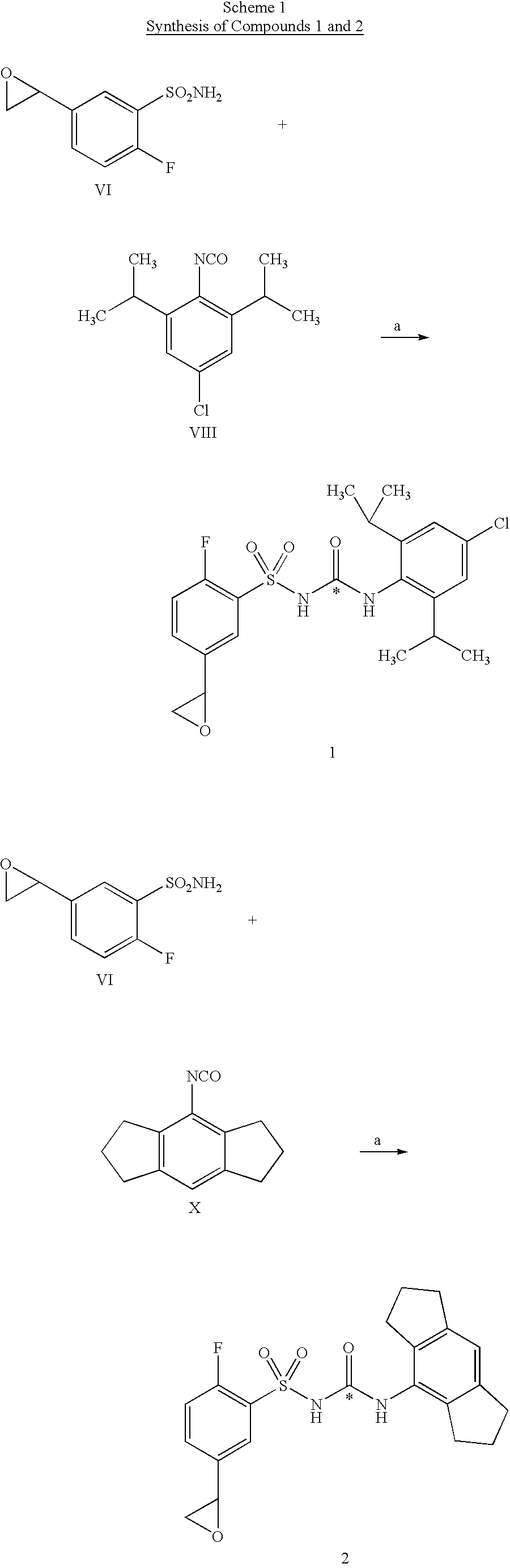
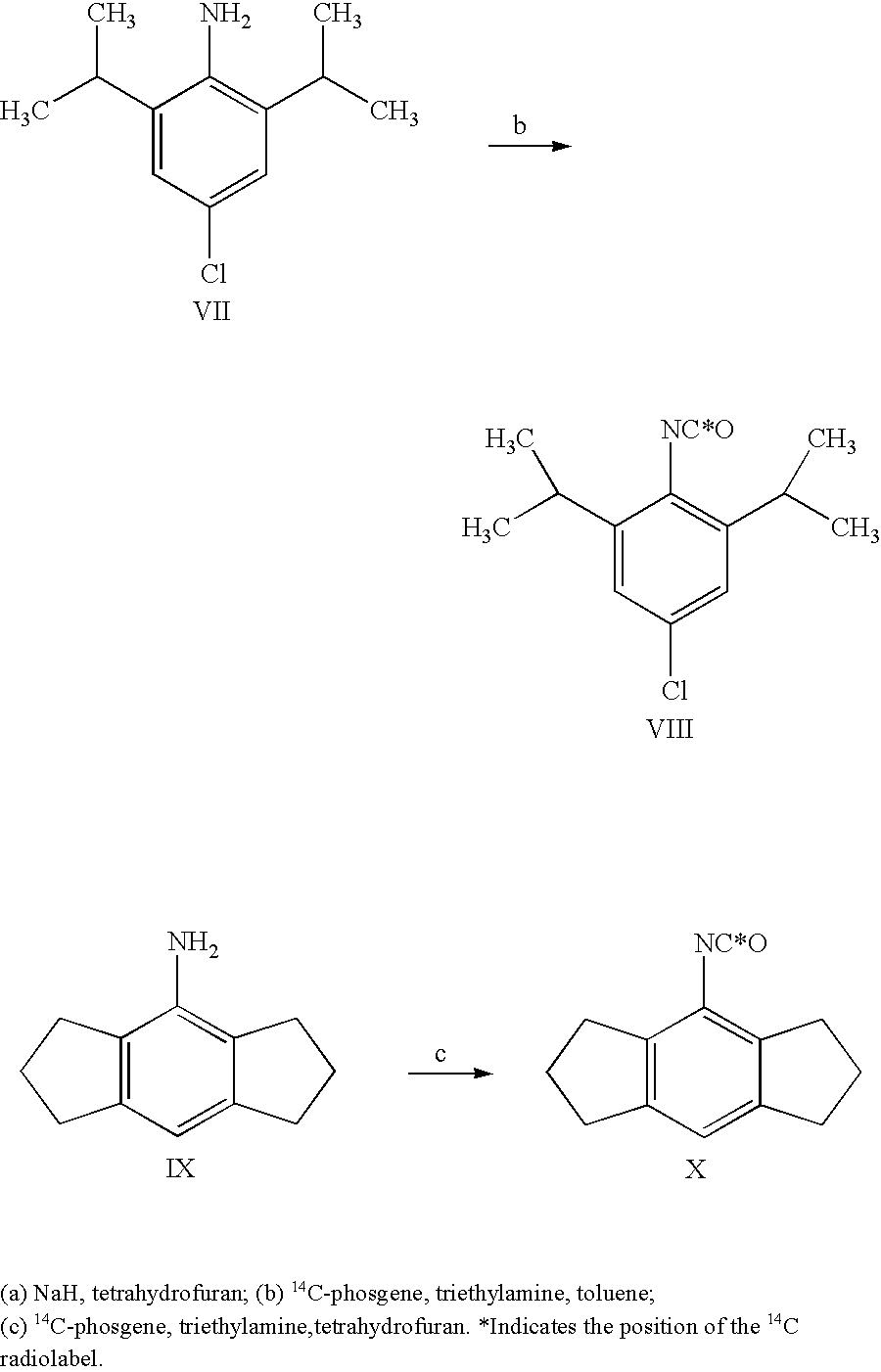
Based on their ability to inhibit stimulus-coupled IL-1.beta. posttranslational processing, it was assumed that the DASUs must bind to one or more cellular proteins involved in the cytokine export pathway. To identify these, radiolabeled DASU analogs were synthesized containing an epoxide group that could react with functional groups on proteins to form covalent, irreversible adducts; the structures of two such agents, Compound 1 and Compound 2, are indicated in FIG. 1. Treatment of human monocytes continuously with either of these agents resulted in a dose-dependent inhibition in ATP-induced IL-1.beta. production (FIG. 2A). In contrast, treatment with the structurally distinct epoxide-containing agent 2-(4-nitro-phenoxymethy...
PUM
| Property | Measurement | Unit |
|---|---|---|
| temperature | aaaaa | aaaaa |
| pH | aaaaa | aaaaa |
| temperature | aaaaa | aaaaa |
Abstract
Description
Claims
Application Information
 Login to View More