
Method for preparing ultra-fine crystal grain high-strength high-toughness copper alloy strip
A technology of copper alloy plates and ultra-fine grains, which is applied in the field of thermal processing of non-ferrous metals, can solve the problems of limiting the wider application of materials, affecting the performance of materials, and cumbersome preparation processes, and achieves good industrial prospects and good industrial application prospects , The effect of simple production process
Patent Information
- Authority / Receiving Office
- CN · China
- Current Assignee / Owner
- Publication Date
- 2011-05-11
- Estimated Expiration
- Not applicable · inactive patent
Smart Images
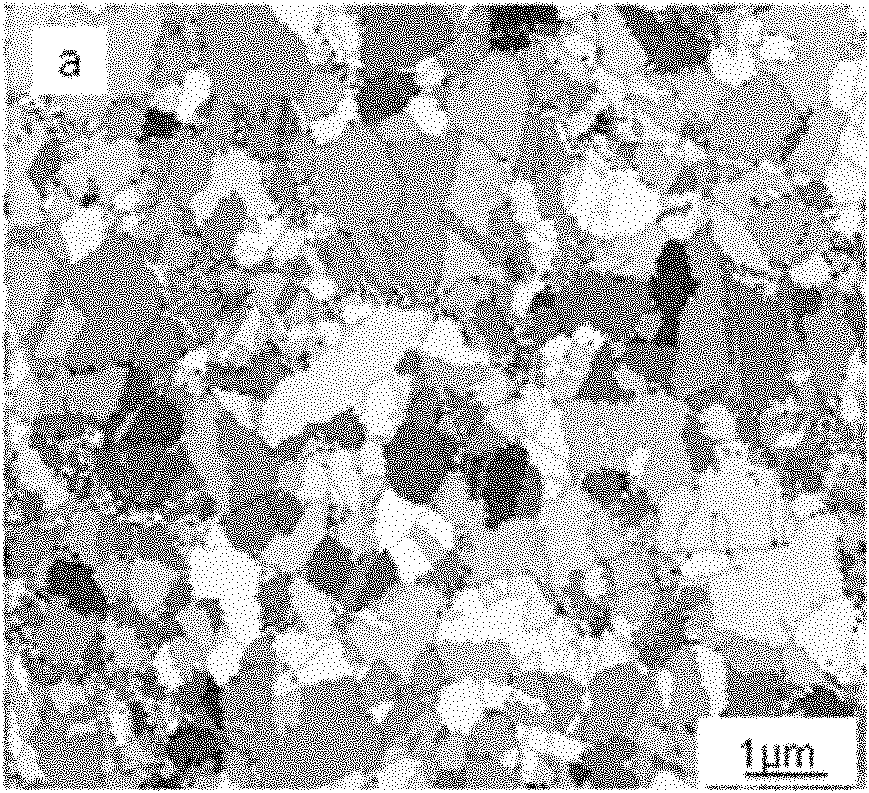
Figure 1 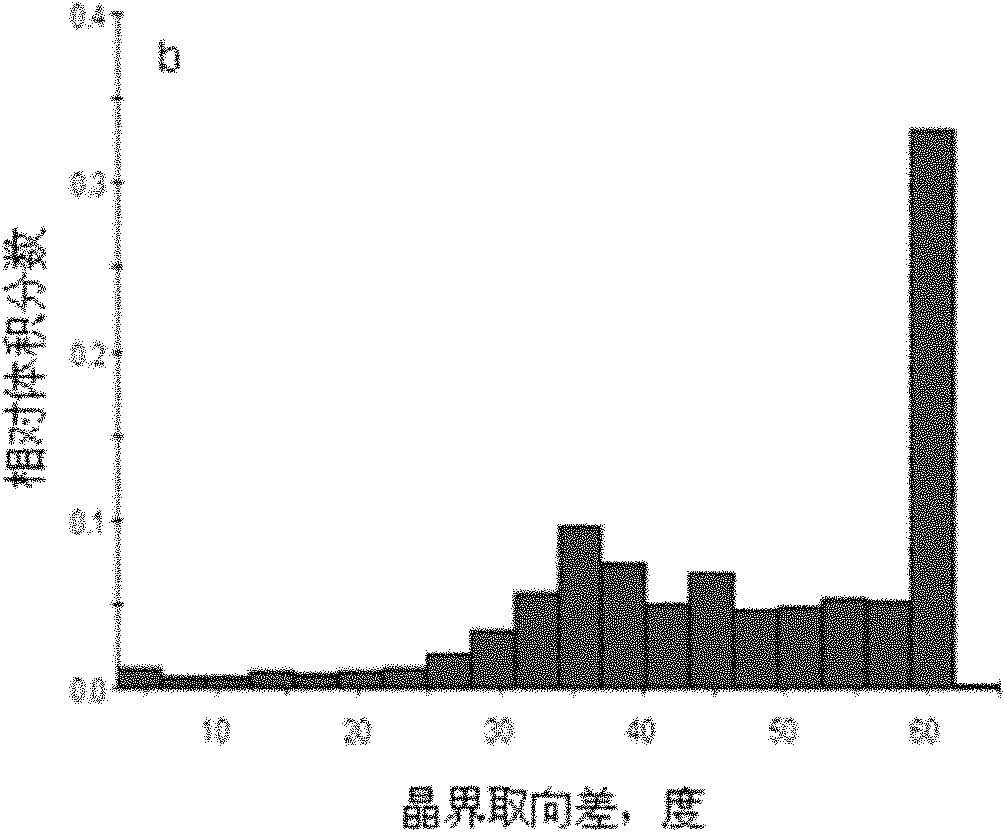
Figure 2 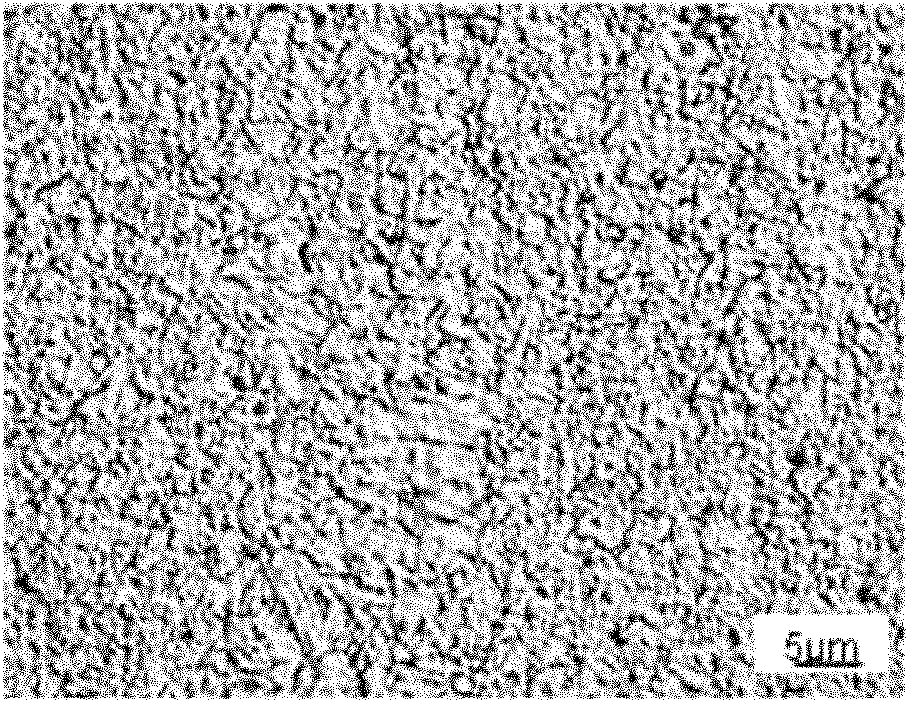
Figure 3
Abstract
Description
technical field
[0001] The invention relates to a preparation method of a brass strip, in particular to a copper strip with ultra-fine crystal grains, high strength and high toughness and a preparation method thereof. It belongs to the technical field of thermal processing of nonferrous metals. Background technique
[0002] In recent years, with the rapid development of communication, electronics, electric power industry and other fields, the application range of copper and its alloy strip products has been expanding, and higher requirements have been put forward for its performance. Copper alloy strips are of great significance.
[0003] Grain refinement is one of the most effective ways to increase the strength of materials. At present, ultra-fine-grained materials are mainly prepared through severe plastic deformation such as high-pressure torsion and equal-channel angular extrusion. The above methods require special molds, and the preparation process is cumbersome, cos...
Examples
Embodiment 1
[0037] The brass alloy ingot containing 70% copper is annealed at 800°C for 1 hour and then hot rolled, the deformation is controlled to 60%, and the hot rolling temperature is 780°C to obtain a slab; the slab is subjected to 600°C for 1 hour After the intermediate annealing, cold rolling is carried out, and the deformation is controlled to 50%; after the cold rolling, an intermediate annealing is carried out for 1 hour, and the annealing temperature is 350 ° C; Soak the test piece in liquid nitrogen for 10 minutes. After the single-pass cold rolling, quickly soak the test piece in liquid nitrogen, repeat cryogenic treatment and low-temperature cold rolling, and carry out low-temperature treatment at 300°C for 0.2 hours after the deformation reaches 50%. annealing. That is, the ultra-fine-grained high-strength and high-toughness copper alloy strip of the present invention is obtained. See attached figure 1 It can be seen that after low-temperature annealing, the entire struc...
Embodiment 2
[0039] The brass alloy ingot containing 68% copper is annealed at 700°C for 2 hours and then hot rolled, the deformation is controlled to 40%, and the hot rolling temperature is 700°C to obtain a slab; the slab is subjected to 680°C for 2 hours After the intermediate annealing, cold rolling is carried out, and the deformation is controlled to 60%; after the cold rolling, the intermediate annealing is carried out for 2 hours, and the annealing temperature is 450 ° C; Soak the test piece in liquid nitrogen for 5 minutes. After the single-pass cold rolling, quickly soak the test piece in liquid nitrogen, repeat cryogenic treatment and low-temperature cold rolling, and carry out low-temperature treatment at 250°C for 0.5 hours after the deformation reaches 60%. annealing. Promptly get the copper alloy strip with ultra-fine grain, high strength and high toughness of the present invention. image 3 It can be seen that after low-temperature annealing, the microstructure has been uni...
Embodiment 3
[0041] The brass alloy ingot containing 70% copper was annealed at 850°C for 0.5 hours, then water-cooled for hot rolling, the deformation was controlled to 70%, and the hot rolling temperature was 780°C to obtain a slab; the slab was subjected to 750°C for 0.5 hours After the intermediate annealing, cold rolling is carried out, and the deformation is controlled at 30%; after the cold rolling, intermediate annealing is carried out for 0.5 hours, and the annealing temperature is 300°C; the slab at this time is cut into two parts, which are respectively numbered as the first group and the second group. two groups. Then the first group of test pieces were subjected to multi-pass cold rolling. During cold rolling, the test pieces were soaked in liquid nitrogen for 30 minutes before deformation in each pass, and repeated cryogenic treatment and low-temperature cold rolling. After the deformation reached 40%, every Cut a part of the test piece at a time for strength test until the d...