

Synthetic method of antimalarial drug primaquine phosphate intermediate n-(4-bromopentyl)phthalimide
A technology of phthalimide and primaquine phosphate, which is applied in a new synthetic field, can solve the problems that recrystallization and purification cannot be used, and achieve high conversion rate, low cost and high content Effect
Patent Information
- Authority / Receiving Office
- CN · China
- Patent Type
- Patents(China)
- Current Assignee / Owner
- Publication Date
- 2019-04-05
Smart Images
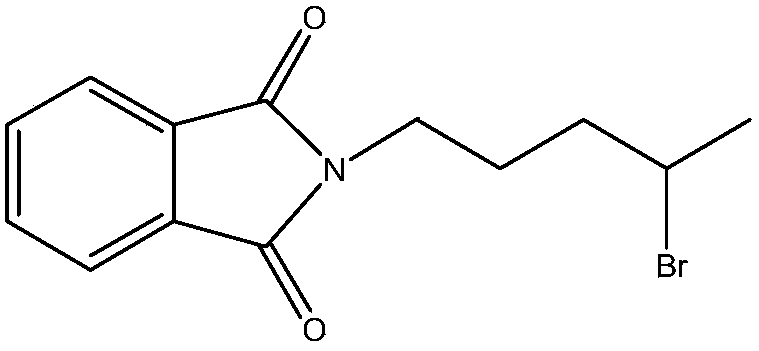
Figure 1 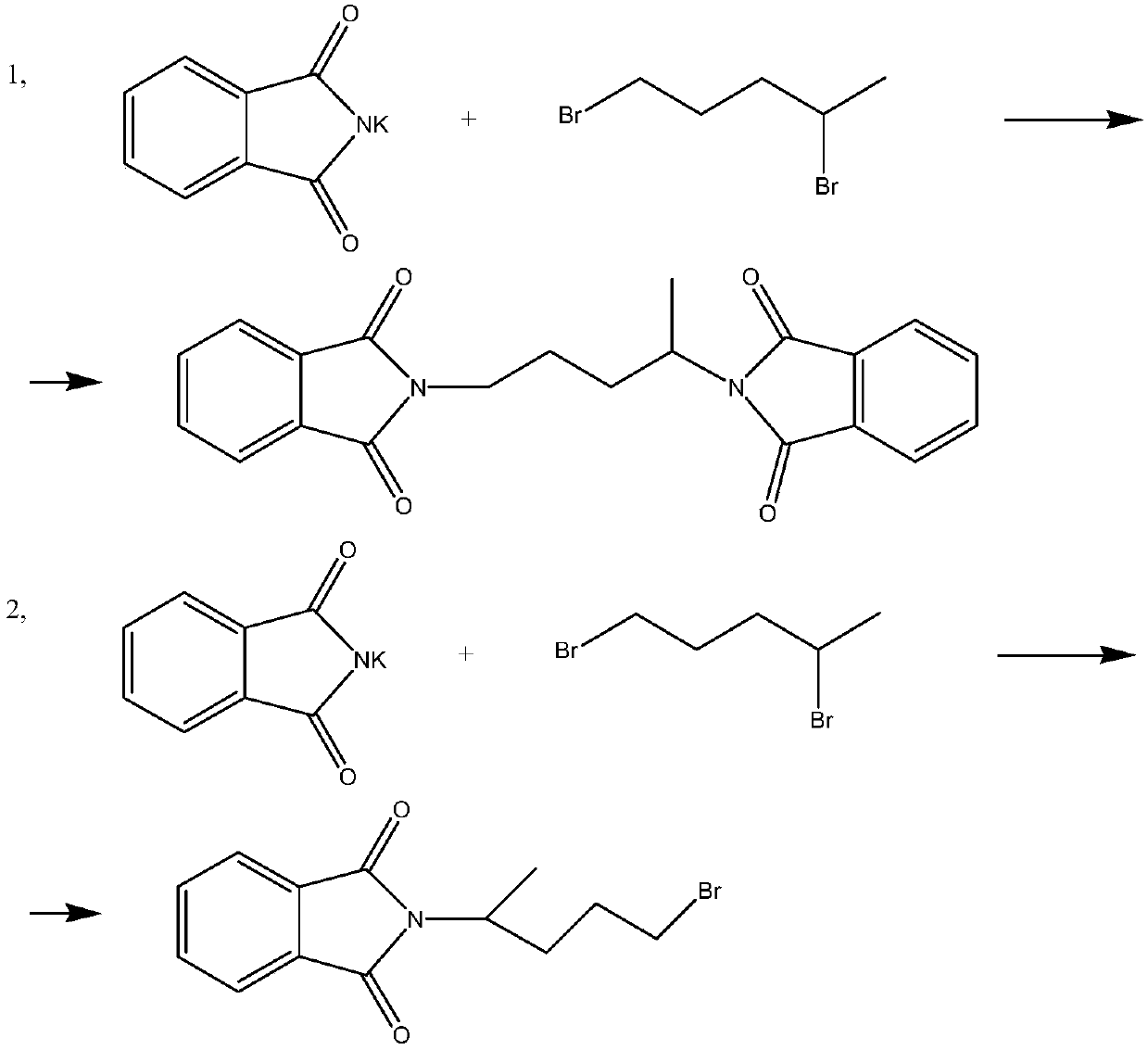
Figure 2 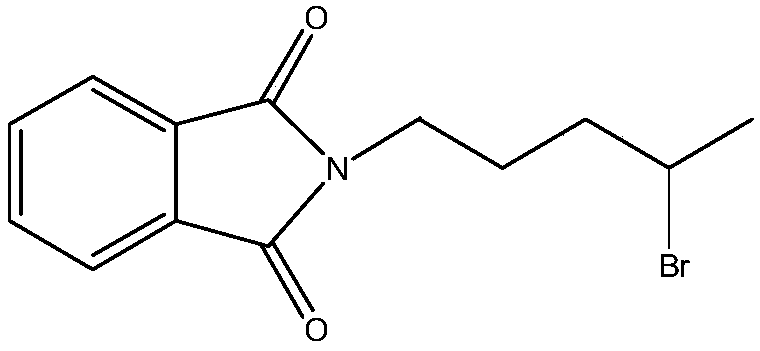
Figure 3
Abstract
Description
technical field
[0001] The invention proposes a new synthesis method of the intermediate N-(4-bromopentyl)phthalimide of the antimalarial drug primaquine phosphate. Background technique
[0002] Primaquine phosphate belongs to 8-aminoquinoline derivatives, and its antimalarial effect may be related to interference with DNA synthesis of Plasmodium. It can inhibit the oxidation of mitochondria and reduce the oxygen uptake of malaria parasites. The metabolite quinoline quinone derivatives of primaquine phosphate in the body has strong oxidative properties, which can convert reduced glutathione in red blood cells into oxidized glutathione, and interfere with pyridine nucleoside triphosphate in the infrared stage of Plasmodium The reduction process of acid affects the energy metabolism and respiration of Plasmodium and leads to death. It is mainly used to eradicate vivax malaria and control the spread of malaria, often in combination with chloroquine or pyrimethamine. The effi...
Examples
example 1-1
[0047] In a 1000ml four-necked flask equipped with a mechanical stirrer, a reflux condenser and a thermometer, 50g (0.48mol) 5-chloro-1-pentene, 50g (0.27mol) phthalimide potassium salt, 2.5g triphenylmethylphosphine chloride, 0.5g cobalt acetate and 300g N,N-dimethylformamide. After the addition, the oil bath was heated to reflux at a temperature of 152° C. and kept for 8 hours.
[0048] After keeping warm, cool to room temperature. Filtration, the filter cake is the reaction by-product potassium chloride, polymerization inhibitor and catalyst. Rinse the filter cake with 100ml of fresh DMF, and combine the filtrate and washings. DMF and excess 5-chloro-1-pentene were evaporated under reduced pressure with a rotary evaporator. 54.5 g of light yellow viscous liquid was obtained, the content measured by liquid chromatography was 98.25%, and the yield was 93.79%.
example 1-2
[0050] In a 1000ml four-necked flask equipped with a mechanical stirrer, a reflux condenser and a thermometer, 50g (0.48mol) 5-chloro-1-pentene, 50g (0.27mol) phthalimide potassium salt, 0.25g of triphenylmethylphosphine bromide, 2.5g of nickel sulfate and 500g of hexamethylphosphonic triamide. After the addition, the oil bath was heated to 200° C., and the reaction was kept for 3 hours.
[0051] After keeping warm, cool to room temperature. Filtration, the filter cake is the reaction by-product potassium chloride, polymerization inhibitor and catalyst. Rinse the filter cake with 100ml of fresh acetone, and combine the filtrate and washings. Acetone, hexamethylphosphonic triamide and excess 5-chloro-1-pentene were evaporated under reduced pressure with a rotary evaporator. 57g of red viscous liquid was obtained, the content measured by liquid chromatography was 94.81%, and the yield was 98.09%.
example 1-3
[0053] In a 2000ml four-necked flask equipped with a mechanical stirrer, a reflux condenser and a thermometer, 200g (1.91mol) of 5-chloro-1-pentene, 200g (1.08mol) of phthalimide potassium salt, 5g of triphenylethylphosphine chloride, 4g of nickel sulfate, 4g of cobalt acetate and 800g of hexamethylphosphonic triamide. After the addition, the oil bath was heated to 100° C., and the reaction was kept for 8 hours.
[0054] After the heat preservation is finished, follow the post-treatment operation of Example 1-2 to obtain 224 g of light yellow viscous liquid, the content of which is 99.46% as measured by liquid chromatography, and the yield is 96.37%.
[0055] ②, the synthesis of N-(4-bromopentyl)phthalimide