
Method for quickly cultivating salt-tolerant kandelia candel
A technology of candela and salt tolerance, applied in the field of plant cultivation, can solve the problems of not being able to meet the requirements of mangrove afforestation, unfavorable promotion and application, and low survival rate, so as to maintain biodiversity, facilitate growth and reproduction, and conserve water and water. good fat effect
Patent Information
- Authority / Receiving Office
- CN · China
- Patent Type
- Applications(China)
- Current Assignee / Owner
- Publication Date
- 2018-07-06
Smart Images
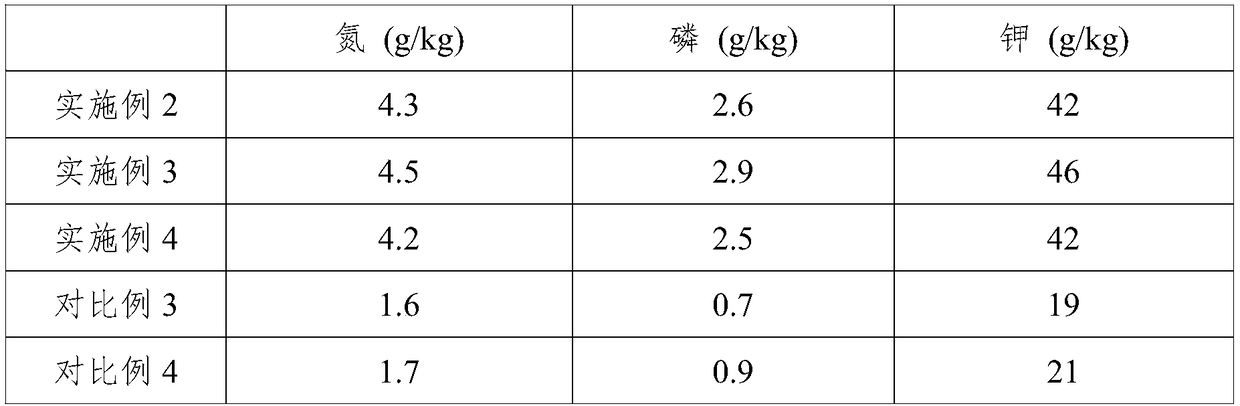
Figure 1 
Figure 2 
Figure 3
Abstract
Description
technical field
[0001] The invention belongs to the technical field of plant cultivation, in particular to a method for quickly cultivating salt-tolerant candelabra. Background technique
[0002] Mangroves are woody plant communities that grow in the intertidal zone of tropical and subtropical coasts. They are an important part of the coastal protection forest system. They can prevent wind and waves, protect seawalls, and reduce and prevent natural disasters such as typhoons and storm surges in coastal areas. At the same time, building a mangrove community can save a lot of expenses for building and maintaining coastal dams, which is an economical and effective ecological protection measure. Candela is an important species in the mangrove family. It has a well-developed root system. In addition to protecting the embankment from wind and tide and beautifying the environment, it is also a natural sewage treatment system. Candela can absorb harmful substances such as oil, phosp...
Examples
Embodiment 1
[0036] Embodiment 1, a kind of preparation of modified sodium lignosulfonate
[0037] A Sodium lignosulfonate is dissolved in water to prepare an aqueous solution of sodium lignosulfonate with a concentration of 35% by mass percentage, heated to 95°C, and kept at a constant temperature for 35 minutes before adding propylenediamine. The amount of propylenediamine added is lignin 50% of the total volume of the sodium sulfonate aqueous solution, then dropwise add glutaraldehyde, the addition of the glutaraldehyde is 85% of the total volume of propylenediamine, and react at a temperature of 80°C for 2h to obtain modified lignosulfonic acid sodium solution;
[0038] B extract the modified sodium lignosulfonate solution obtained in step A with absolute ethanol to obtain an extract, wash the extract with petroleum ether, and freeze-dry after washing, the conditions of the freeze-drying are:- Pre-freeze at 6°C for 2 hours, then freeze at -18°C for 18 hours at a vacuum of 0.06mPa to o...
Embodiment 2
[0039] Embodiment 2, nutrient soil of the present invention
[0040] Described nutrient soil is made up of following composition and parts by weight thereof:
[0041] 35 parts of sea mud, 8 parts of peat soil, 20 parts of activated sludge, 18 parts of plant ash, 8 parts of sodium alginate, 4 parts of loosening agent, 4 parts of phoxim, 8 parts of potassium dihydrogen phosphate and 10 parts of calcium chloride; The sludge sedimentation ratio of the activated sludge is 18-22%, the sludge volume index is 90-95ml / g, and the dissolved oxygen in the effluent of the secondary sedimentation tank is 1.2-1.8mg / L; the loosening agent is composed of tripolyphosphoric acid Sodium and modified sodium lignosulfonate are composed in a mass ratio of 4:3; the modified sodium lignosulfonate is the modified sodium lignosulfonate prepared in Example 1.
[0042] The above-mentioned sea mud, peat soil, activated sludge, plant ash and loosening agent are first mixed uniformly, then sodium alginate, ...
Embodiment 3
[0043] Embodiment 3, nutrient soil of the present invention
[0044] Described nutrient soil is made up of following composition and parts by weight thereof:
[0045] 40 parts of sea mud, 10 parts of peat soil, 25 parts of activated sludge, 22 parts of plant ash, 8 parts of sodium alginate, 6 parts of loosening agent, 5 parts of phoxim, 9 parts of potassium dihydrogen phosphate and 12 parts of calcium chloride; The sludge sedimentation ratio of the activated sludge is 18-22%, the sludge volume index is 90-95ml / g, and the dissolved oxygen in the effluent of the secondary sedimentation tank is 1.2-1.8mg / L; the loosening agent is composed of tripolyphosphoric acid Sodium and modified sodium lignosulfonate are composed in a mass ratio of 5:2; the modified sodium lignosulfonate is the modified sodium lignosulfonate prepared in Example 1.
[0046] The above-mentioned sea mud, peat soil, activated sludge, plant ash and loosening agent are first mixed uniformly, then sodium alginate,...