
Preparation method of nitrogen-containing heterocyclic compound
A technology for nitrogen heterocyclic compounds and azide compounds is applied in the field of chemistry, which can solve the problems of high cost and achieve the effects of non-biological toxicity of catalysts, wide and cheap raw material sources, and cheap catalysts
Patent Information
- Authority / Receiving Office
- CN · China
- Current Assignee / Owner
- Publication Date
- 2020-05-19
Smart Images

Figure 1 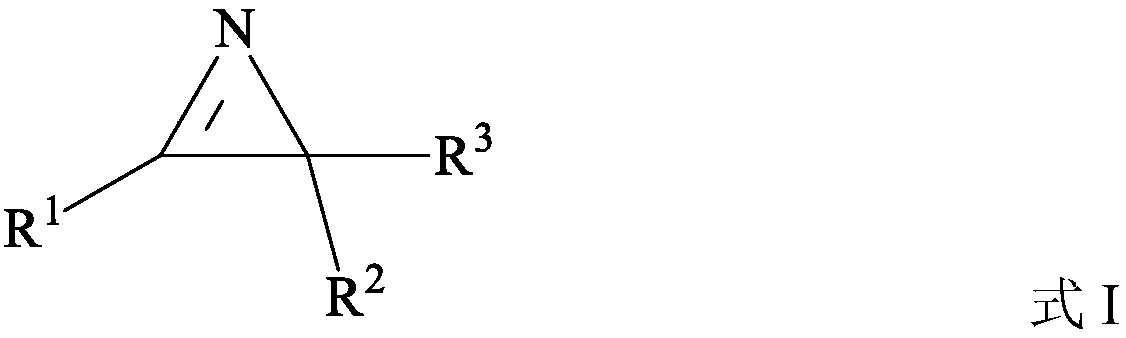
Figure 2 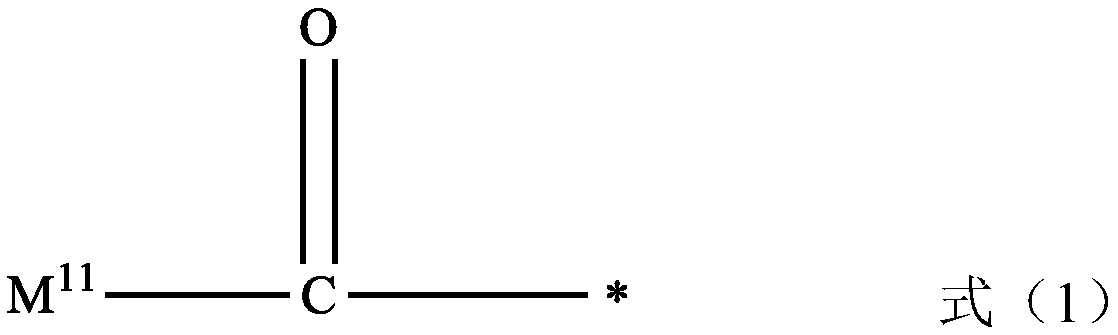
Figure 3
Abstract
Description
technical field
[0001] The application relates to a preparation method of a nitrogen-containing heterocyclic compound, which belongs to the field of chemistry. Background technique
[0002] Azacyclopropene is the smallest nitrogen-containing heterocyclic compound, which is an important precursor of many complex molecules and a common structure in drugs and pesticides. In particular, fluorine-containing aziridines may be of great research and application significance due to their special fluorine effects. However, the fluorine-containing groups in the fluorine-containing aziridines synthesized so far are only limited to trifluoromethyl, and expensive Togney trifluoromethylation reagents and biologically toxic copper metal catalysts are used. However, there are no reports on other fluorine-containing aziridines. Contents of the invention
[0003] According to one aspect of the present application, a method for preparing nitrogen-containing heterocyclic compounds is provide...
Examples
Embodiment 1
[0110] Example 1 product 1-1
[0111] Under nitrogen protection, 4-propylphenylacetylene (0.5mmol), perfluoroiodobutane (0.75mmol), TMSN 3 (1.0mmol), oxide TBPB (1.0mmol), solvent (2mL) and catalyst Fe(OTf) 3 (12.7mg, 0.025mmol) was placed in a dry reaction tube and reacted at 20°C for 20 minutes. After the reaction was completed, the solvent was removed by a rotary evaporator under reduced pressure, dissolved in toluene, continued to react at 120° C. for 10 minutes, and separated by column chromatography to obtain the product 1-1.
Embodiment 2
[0112] Embodiment 2 product 1-2~1-32
[0113] The preparation method of the product in this example is the same as that in Example 1, see Table 1 for the differences.
[0114] Table 1
[0115]
[0116]
[0117]
[0118] Products 1-27:
[0119] The preparation method is the same as the preparation method of product 1-1, the difference is:
[0120] After being dissolved in toluene, the reaction temperature was 110° C., and the reaction time was 15 minutes.
[0121] Products 1-28:
[0122] The preparation method is the same as the preparation method of product 1-1, the difference is:
[0123] After being dissolved in toluene, the reaction temperature is 130° C., and the reaction time is 5 minutes.
[0124] Products 1-29:
[0125] The preparation method is the same as the preparation method of product 1-1, the difference is:
[0126] Before dissolving by methanol, the reaction temperature in the reaction tube was -20°C, and the reaction time was 30 minutes.
[012...
Embodiment 3
[0137] Example 3 Structural Characterization
[0138] In this example, the structures and yields of products 1-1 and 1-32 were analyzed, and the specific structures are shown in Table 2.
[0139] Table 2
[0140]
[0141]
[0142]
[0143]
[0144]
[0145]
[0146] Products 1-27 to 1-32 were subjected to the same test as the above-mentioned products, and the results were similar to those of product 1-1 in Table 1: the target products were all obtained.
[0147] The shape of the products 1-1 to 1-26 is: clear oil.