
Ultrahigh-strength all-austenite low-density steel and preparation method
A low-density steel and austenitic technology, which is applied in the field of ultra-high-strength low-density steel and its preparation, can solve the problems of reduced density, limited Al addition for lightweight, complicated process, etc., and achieve uniform hardness
Patent Information
- Authority / Receiving Office
- CN · China
- Patent Type
- Applications(China)
- Current Assignee / Owner
- Publication Date
- 2021-06-01
Smart Images
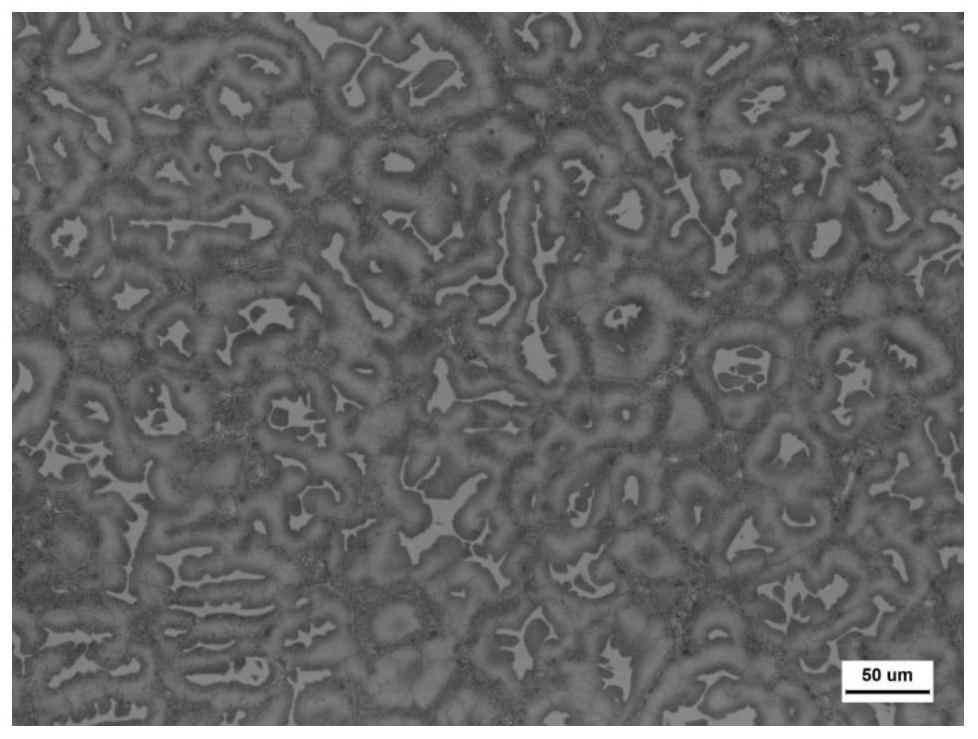
Figure 1 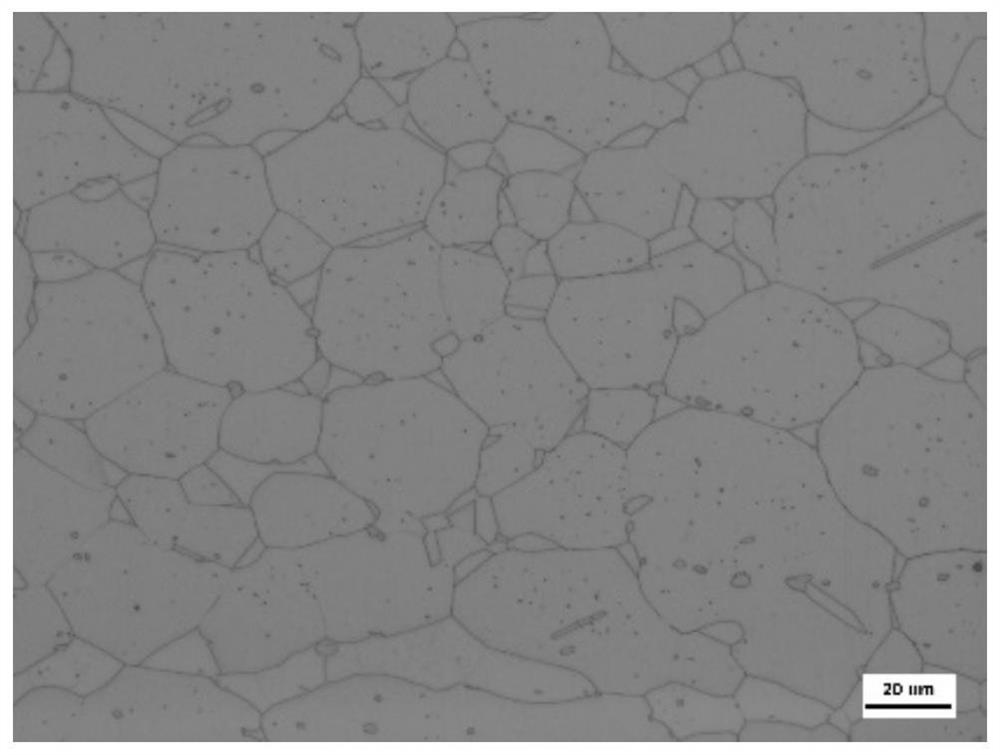
Figure 2 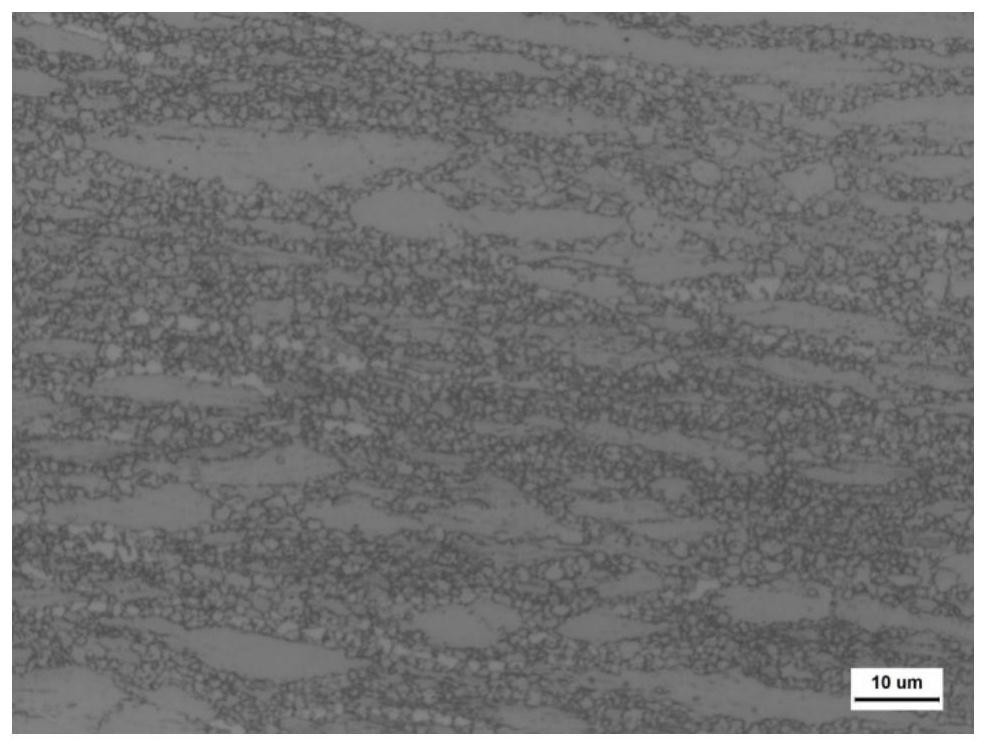
Figure 3
Abstract
Description
technical field
[0001] The invention belongs to the technical field of metal materials and their preparation, and in particular relates to an ultra-high-strength low-density steel and a preparation method. Background technique
[0002] Reducing energy consumption, reducing environmental pollution and saving limited resources is a very important and urgent problem that people are facing today. Reducing the weight of automobiles is one of the important measures to improve the fuel economy and save energy consumption of automobiles. At present, the development and research of automobile lightweight projects at home and abroad, and the development of high-strength or ultra-high-strength steel plates, reduce the weight of cars by reducing the thickness of the steel plates used. The application of high-strength steel and advanced high-strength steel to replace traditional low-strength grade steel can increase the specific strength (ratio of strength to density) of automotive steel...
Examples
Embodiment Construction
[0045] The following are examples of alloy steel produced with 8 chemical components under the same smelting, casting and rolling process conditions and their performance test results. The chemical composition is shown in Table 1, and the actual production process parameters are shown in Table 2 and Table 3.
[0046] After hot rolling, it was directly water-cooled, and the aging process was also tested later. The comprehensive mechanical properties of the specific materials are shown in Table 4.
[0047] Table 1 embodiment chemical composition (mass fraction %, balance is Fe)
[0048]
[0049]
[0050] Table 2 Smelting and forging blank production process parameter range
[0051]
[0052] Table 3 Hot rolling and aging process parameter range
[0053]
[0054] Table 4 comprehensive mechanical properties
[0055]