
High spf sunscreen composition
a sunscreen composition and sun protection factor technology, applied in the field of high sun protection factor (spf) sunscreen composition, can solve the problems of hair damage, sunburn, melanoma and wrinkle formation, reddening of skin and localized irritation, etc., and achieve the effect of enhancing the spf benefits of invention and low amoun
Patent Information
- Authority / Receiving Office
- US · United States
- Patent Type
- Applications(United States)
- Current Assignee / Owner
- Publication Date
- 2013-10-10
- Estimated Expiration
- Not applicable · inactive patent
Smart Images
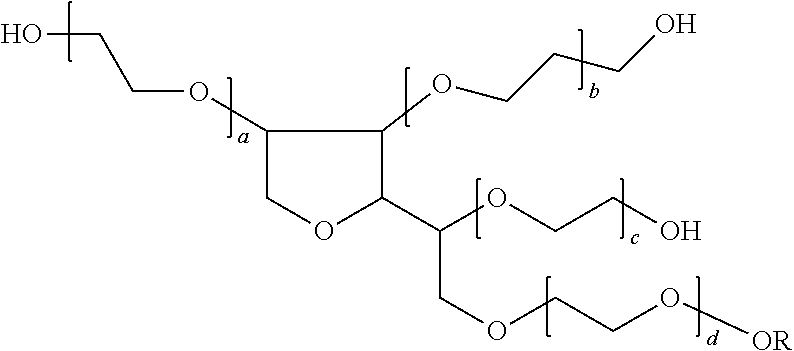
Figure 1 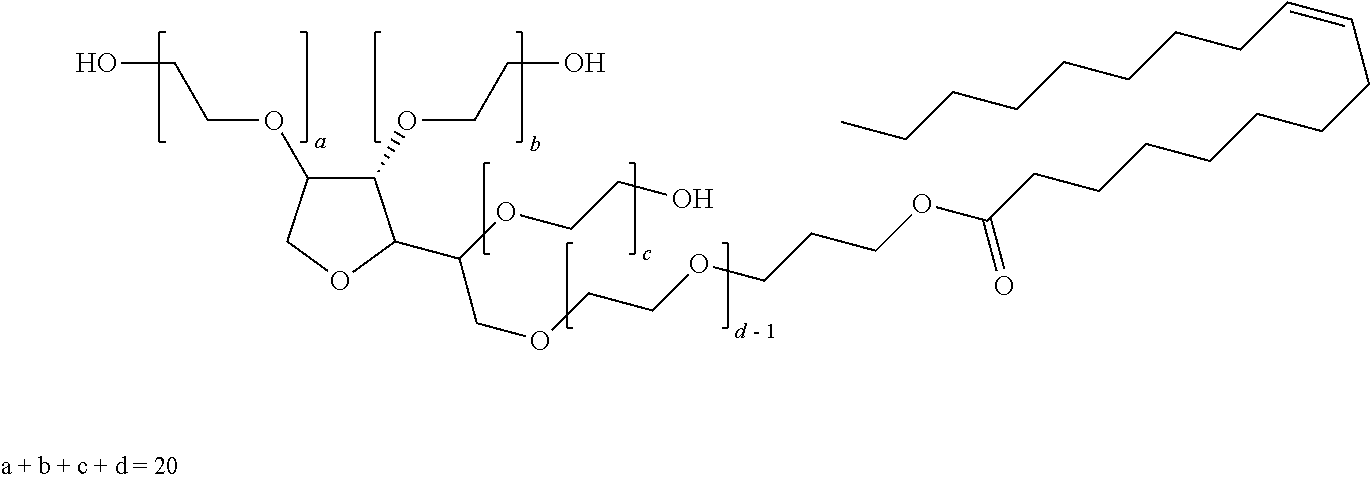
Figure 2 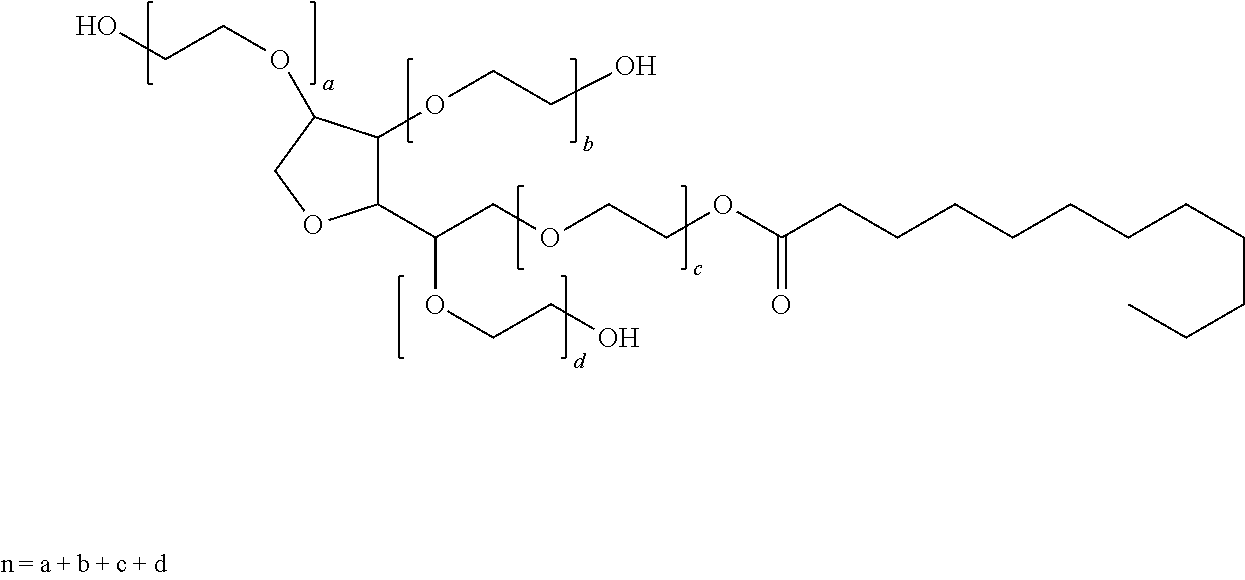
Figure 3
Abstract
Description
FIELD OF THE INVENTION
[0001] The invention relates to a high Sun Protection Factor (SPF) sunscreen composition.BACKGROUND OF THE INVENTION
[0002] Solar radiation includes about 5% ultraviolet (UV) radiation, wavelength of which is between 200 nm and 400 nm. It is further classified into three regions: from 320 to 400 nm (UV-A), 290 to 320 nm (UV-B) and from 200 to 290 nm (UV-C). A large part of UV-C radiation is absorbed by the ozone layer, in the upper atmosphere. Exposure to UV-A and UV-B radiation for short periods of time causes reddening of the skin and localized irritation, whereas continued and prolonged exposure can lead to sunburn, melanoma and formation of wrinkles. UV radiation is also known to cause damage to hair. Therefore, it is desirable to protect the skin and other keratinous substrates of the human body from the harmful effects of both UV-A and UV-B radiation.
[0003] Various cosmetic preparations have been reported for preventing and / or protecting the skin from harmful...
Examples
examples 1 to 15
Effect of Various Non-Ionic Surfactants
[0074]Various compositions as shown in table 1 were prepared using different non-ionic surfactants. The difference between the various compositions was in the type of non-ionic surfactant used which are detailed in table 2. The SPF of the various compositions (examples 1-15) was measured and the results are shown in table 2. In-vitro SPF was measured using the Optometrics 290S instrument model. The substrate used was a 10 cm Transpore tape procured from 3M Company. The sample was applied at 2 mg / cm2.
TABLE 1Ingredientswt %Stearic Acid15Parsol MCX ™3Parsol 1789 ™1.5Non-ionic surfactant2Polymer, Carbomer 9801Niacinamide1Glycerine1Isopropyl myristate1Titanium dioxide1Glyceryl stearate1Mineral oil1Tri ethanol amine0.5Potassium hydroxide0.5Cetyl alcohol1DC200 3501Perfume0.5Methyl paraben + propyl paraben0.5WaterTo 100
TABLE 2Ex #SurfactantsFormulaHLBSPF1Span 85C18:1*3EO11.87.92Span 65C18*3EO12.19.03Span 80C18:1EO14.315.24Span 60C18EO14.710.05Span 40C1...
examples 16 to 19
Effect of Inclusion of the Polymer as Per Present Invention in Cream Compositions
[0076]Cream compositions as shown in table 3 were prepared. The SPF of the compositions of examples 16 to 19 were measured as per procedure used for the previous examples and the SPF values were found to be comparable to example 15 i.e about 28. The viscosity of the compositions were measured using an AR-1000 model stress controlled Rheometer having a cone and plate geometry (cone: 40 mm diameter, 2 deg, truncation: 58 micron) over a shear rate ranging from 0.1 to 1000 s−1 at a temperature of 25° C. Each measurement over the above shear rate range was made over a time period of five minutes. Data on the viscosity of the samples at a representative shear rate of 1 s−1 is shown in table 3.
TABLE 3Example -Example -Example -Example -Ingredients16, wt %17, wt %18, wt %19, wt %Hystric Acid17.0017.0017.0017.00Parsol MCX ™2.252.252.252.25Parsol 1789 ™1.201.201.201.20Non-ionic surfactant2.002.002.002.00Tween - 2...
example 20
Non-Solid (Lotion) Composition as Per the Invention
[0078]A lotion composition as per the invention as shown in table 4 was prepared.
TABLE 4Ingredientswt %Stearic Acid6.0Parsol MCX ™4.0Parsol 1789 ™2.0Non-ionic surfactant, Tween -203.0Niacinamide3.0Glycerine1.0Isopropyl myristate3.0Titanium dioxide0.2Glycerol mono stearate1.5Mineral oil1.5Tri ethanol amine0.7DC2000.5Methyl paraben + Propyl paraben0.3WaterTo 100
[0079]The composition as prepared in table 4 provided a high SPF value of 24 measured as per procedure used for the previous examples.
[0080]The invention thus provides for a high SPF sunscreen composition comprising relatively low amount of sunscreen compounds and this is achieved using well known low cost materials thereby achieving the overall benefits at low cost.