
Vehicle and method for controlling the same
a technology for electric vehicles and recharging stations, applied in the direction of vehicle sub-unit features, battery/fuel cell control arrangements, instruments, etc., can solve the problems of insufficient recharging stations and insufficient battery charge performance of electric vehicles
Patent Information
- Authority / Receiving Office
- US · United States
- Patent Type
- Applications(United States)
- Current Assignee / Owner
- Publication Date
- 2017-10-05
Smart Images
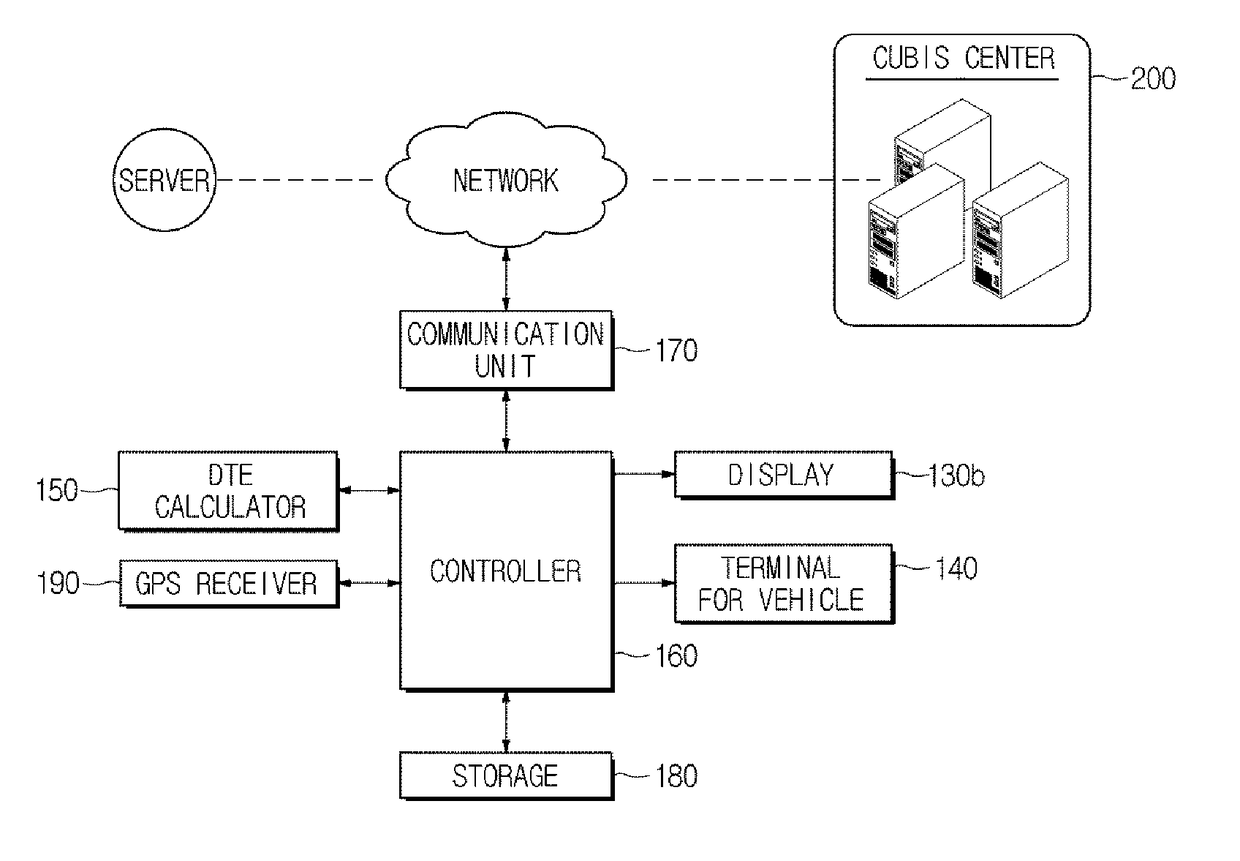
Figure 1 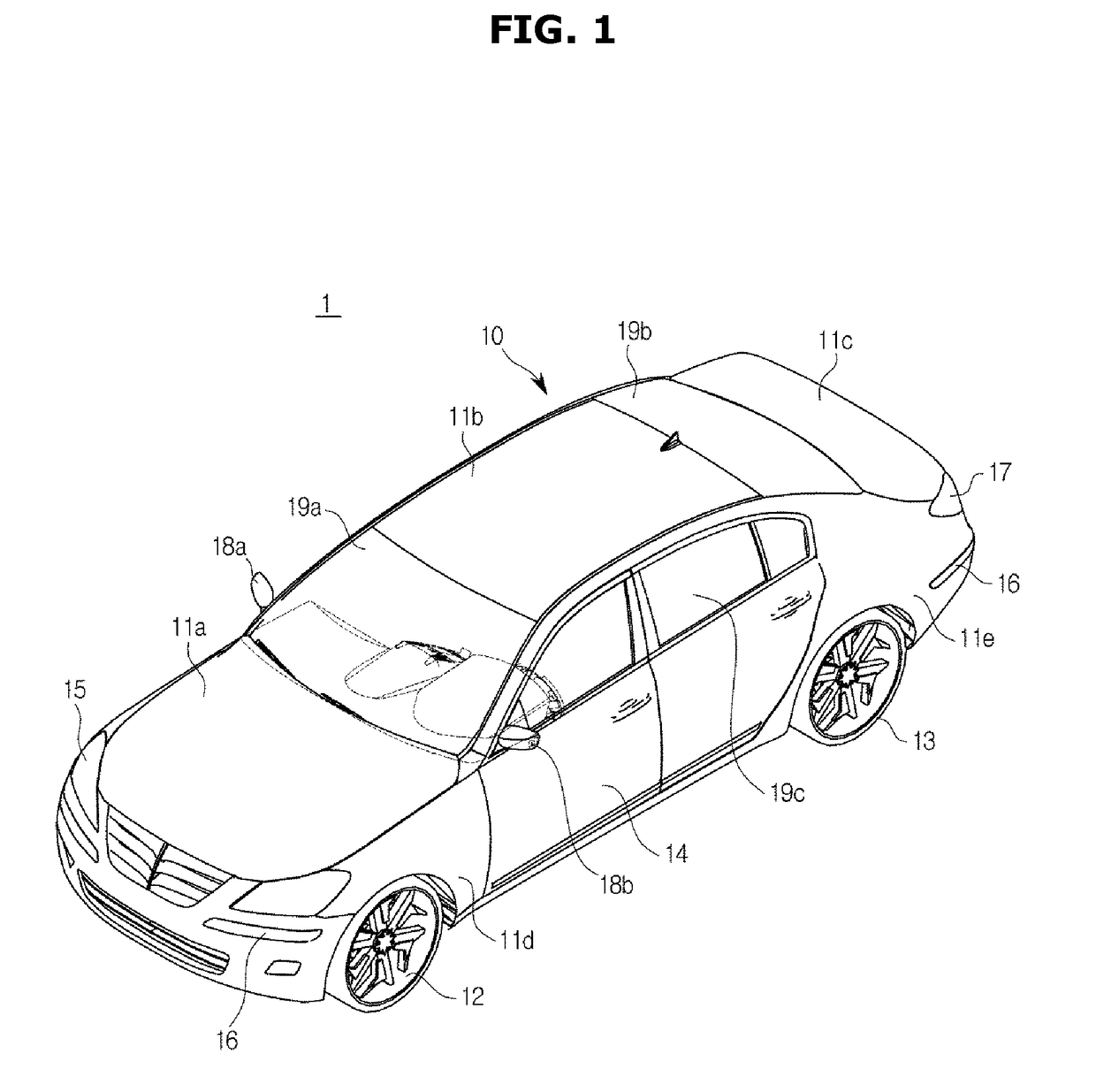
Figure 2 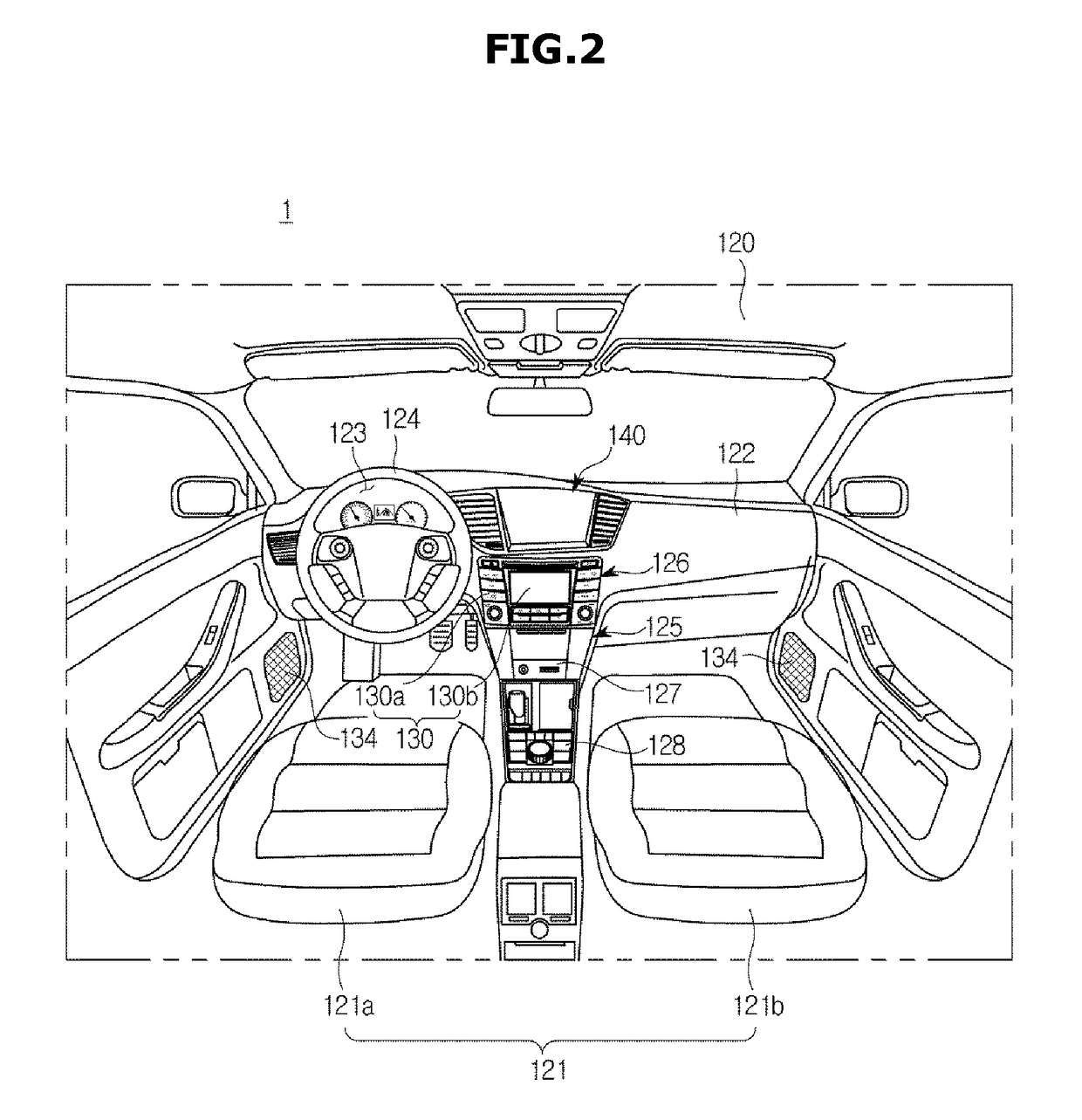
Figure 3
Abstract
Description
CROSS-REFERENCE TO RELATED APPLICATION
[0001] This application claims priority to and the benefit of Korean Patent Application No. 10-2016-0041445, filed on Apr. 5, 2016, the disclosure of which is incorporated herein by reference in its entirety.BACKGROUND
[0002] 1. Field of the Invention
[0003] The present disclosure relates to a vehicle for securing extra distance to empty (DTE) of the vehicle by controlling the use of a load that is consuming battery power or by changing driving mode, when a recharging station not detected within DTE of the vehicle at a current battery charge level.
[0004] 2. Discussion of Related Art
[0005] Recent issues of global warming from environmental destruction and oil prices have increased the developments of electric vehicles. Electric vehicles are being developed to alleviate the pollution problem, such as noise and exhaust gas from vehicles and to efficiently use surplus power in terms of energy saving. The electric vehicle charges the battery with electricit...
Examples
Embodiment Construction
[0026]It is understood that the term “vehicle” or “vehicular” or other similar term as used herein is inclusive of motor vehicles in general such as passenger automobiles including sports utility vehicles (SUV), buses, trucks, various commercial vehicles, watercraft including a variety of boats and ships, aircraft, and the like, and includes hybrid vehicles, electric vehicles, plug-in hybrid electric vehicles, hydrogen-powered vehicles and other alternative fuel vehicles (e.g. fuels derived from resources other than petroleum). As referred to herein, a hybrid vehicle is a vehicle that has two or more sources of power, for example both gasoline-powered and electric-powered vehicles.
[0027]Although exemplary embodiment is described as using a plurality of units to perform the exemplary process, it is understood that the exemplary processes may also be performed by one or plurality of modules. Additionally, it is understood that the term controller refers to a hardware device that inclu...