
Glass sheet
Patent Information
- Authority / Receiving Office
- US · United States
- Current Assignee / Owner
- Publication Date
- 2018-01-11
- Estimated Expiration
- Not applicable · inactive patent
Smart Images
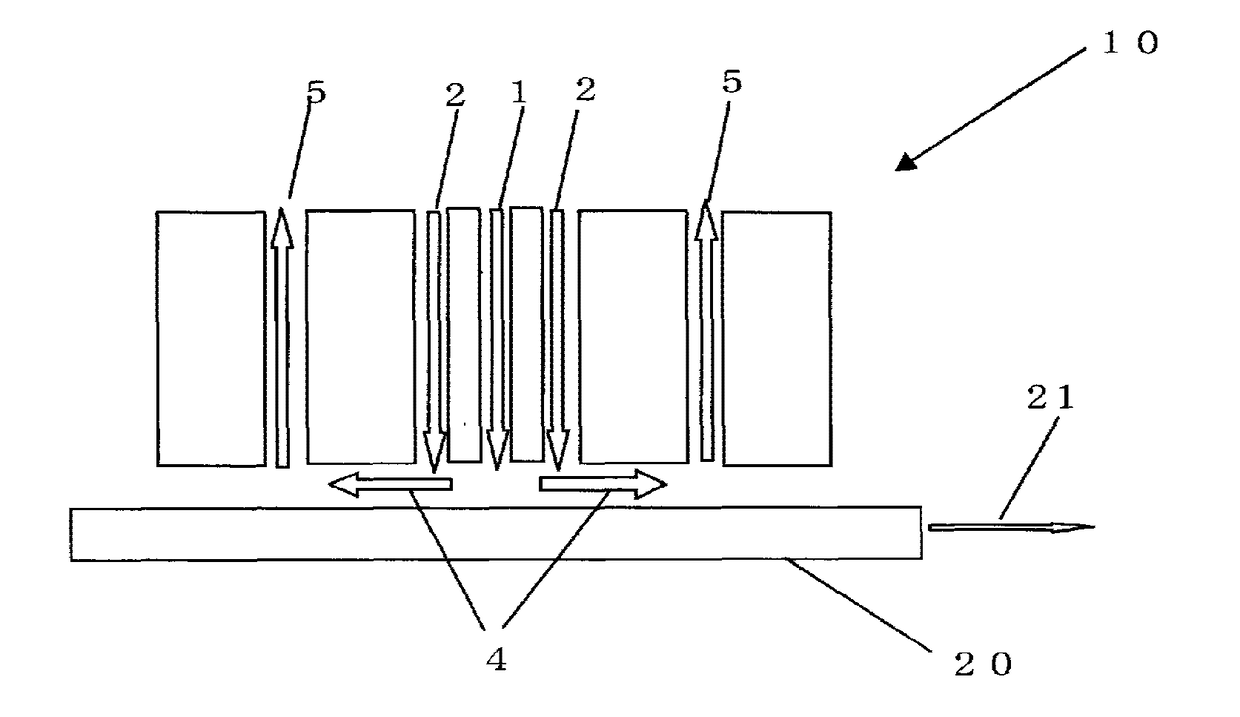
Figure 1 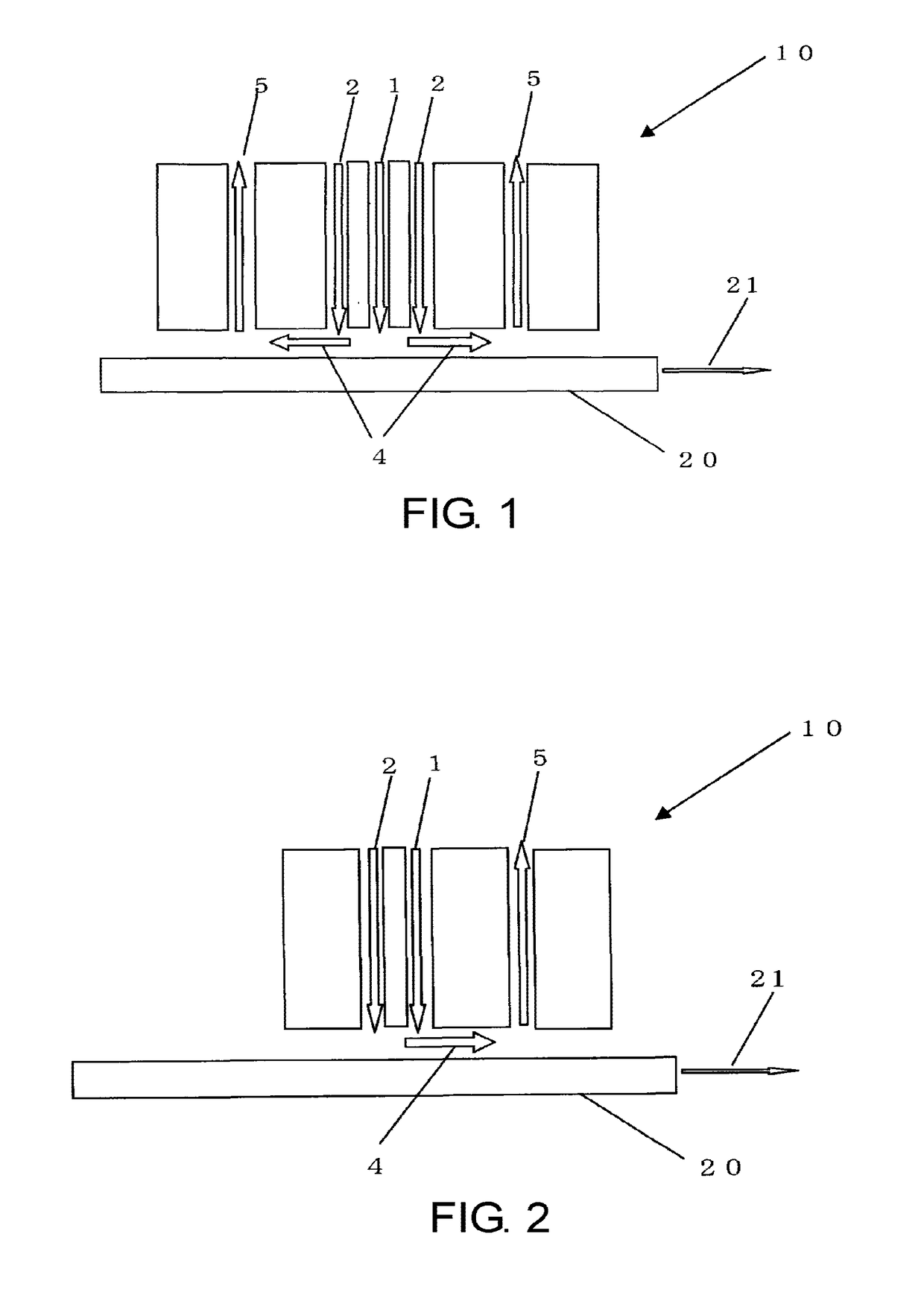
Figure 2 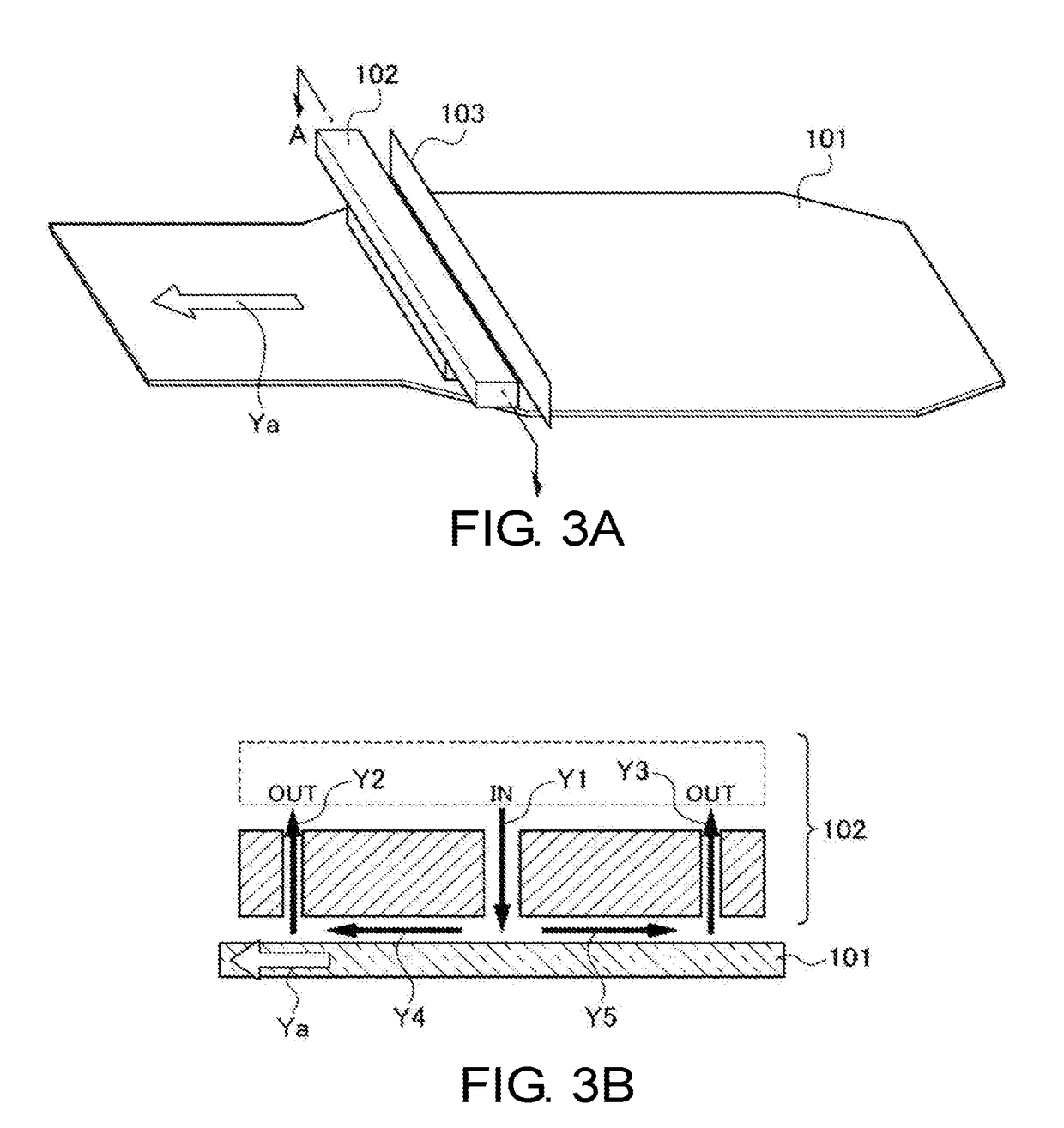
Figure 3
Abstract
Description
TECHNICAL FIELD
[0001] The present invention relates to a glass sheet.BACKGROUND ART
[0002] Recently, in flat panel display devices of a mobile phone, a personal digital assistance (PDA), a personal computer, a television, an in-vehicle navigation display device, etc., a thin sheet-shaped cover glass is arranged on a front side of a display so as to cover a wider region than an image display area and thereby achieve protection and enhanced aesthetic appearance of the display.
[0003] Reduction in weight and thickness is required of such a flat panel display device and in turn, a cover glass used for display protection is also required to be thinned.
[0004] However, reduction in the thickness of the cover glass poses a problem that the strength decreases and the cover glass itself may be broken by dropping, etc. during use or carrying and cannot fulfill its primary role of protecting the display device.
[0005] Accordingly, in a conventional cover glass, a glass produced by a float process (here...
Examples
examples
[0189]Working examples of the present invention are described specifically below, but the present invention is not limited thereto.
(Composition of Glass Sheet)
[0190]In this test example, a float glass was manufactured using a glass sheet of a glass material A having the following composition.
(Glass Material A)
[0191]A glass containing, as represented by mass %, 68.5% of SiO2, 5.0% of Al2O3, 14.7% of Na2O, 0.2% of K2O, 4.1% of MgO, and 7.2% of CaO.
[0192]Glass transition temperature (Tg): 556° C.
(Na2O Concentration)
[0193]The Na2O concentration was measured by the above-described XRF (X-ray Fluorescence Spectrometry) method. The quantitative determination was performed by a calibration method using an Na2O standard sample. Based on the measurement results, the above-described ΔNa2O was determined.
(Average 1H / 30Si Count, Fluorine Concentration)
[0194]The fluorine concentration and 1H / 30Si count distributions in the thickness direction were measured using the above-described secondary ion ...
examples 1 to 4
[0199]In a float bath where a glass ribbon of the glass material A was flowing, a fluorine treatment of the top surface was conducted under the conditions shown below with an HF gas.
[0200]Example 1: HF gas 6 (vol %), treatment time 3.5 seconds, treatment temperature 830° C.
[0201]Example 2: HF gas 5 (vol %), treatment time 3.5 seconds, treatment temperature 830° C.
[0202]Example 3: HF gas 4 (vol %), treatment time 3.5 seconds, treatment temperature 830° C.
[0203]Example 4: HF gas 2 (vol %), treatment time 3.5 seconds, treatment temperature 830° C.
examples 5 to 8
[0204]In a float bath where a glass ribbon of the glass material A was flowing, a fluorine treatment of the top surface was conducted under the conditions shown below by using an HF gas and thereafter, a dealkalization treatment of the top surface was conducted under the conditions shown below by using SO3 in a lehr.
[0205]Example 5: HF gas 6 (vol %), treatment time 3.5 seconds, treatment temperature 830° C.→in the lehr, SO3 about 5 (vol %), spraying treatment in zone at a temperature of 500 to 550° C.
[0206]Example 6: HF gas 5 (vol %), treatment time 3.5 seconds, treatment temperature 830° C.→in the lehr, SO3 about 5 (vol %), spraying treatment in zone at a temperature of 500 to 550° C.
[0207]Example 7: HF gas 4 (vol %), treatment time 3.5 seconds, treatment temperature 830° C.→in the lehr, SO3 about 9 (vol %), spraying treatment in zone at a temperature of 500 to 550° C.
[0208]Example 8: HF gas 2 (vol %), treatment time 3.5 seconds, treatment temperature 830° C.→in the lehr, SO3 about...