
Peptide modulators of the interaction between human c-peptide and human elastin receptor for therapeutic use
a technology of c-peptide and human elastin receptor, which is applied in the field of human medicine, can solve the problems of increasing the risk of dying from obesity, too early manifestation, and increasing the risk of obesity, and achieves the effects of hampered endocytosis, increased presentation of interleukin-i receptor, and reduced toxicity
Patent Information
- Authority / Receiving Office
- US · United States
- Patent Type
- Applications(United States)
- Current Assignee / Owner
- Publication Date
- 2022-01-13
- Estimated Expiration
- Not applicable · inactive patent
Smart Images
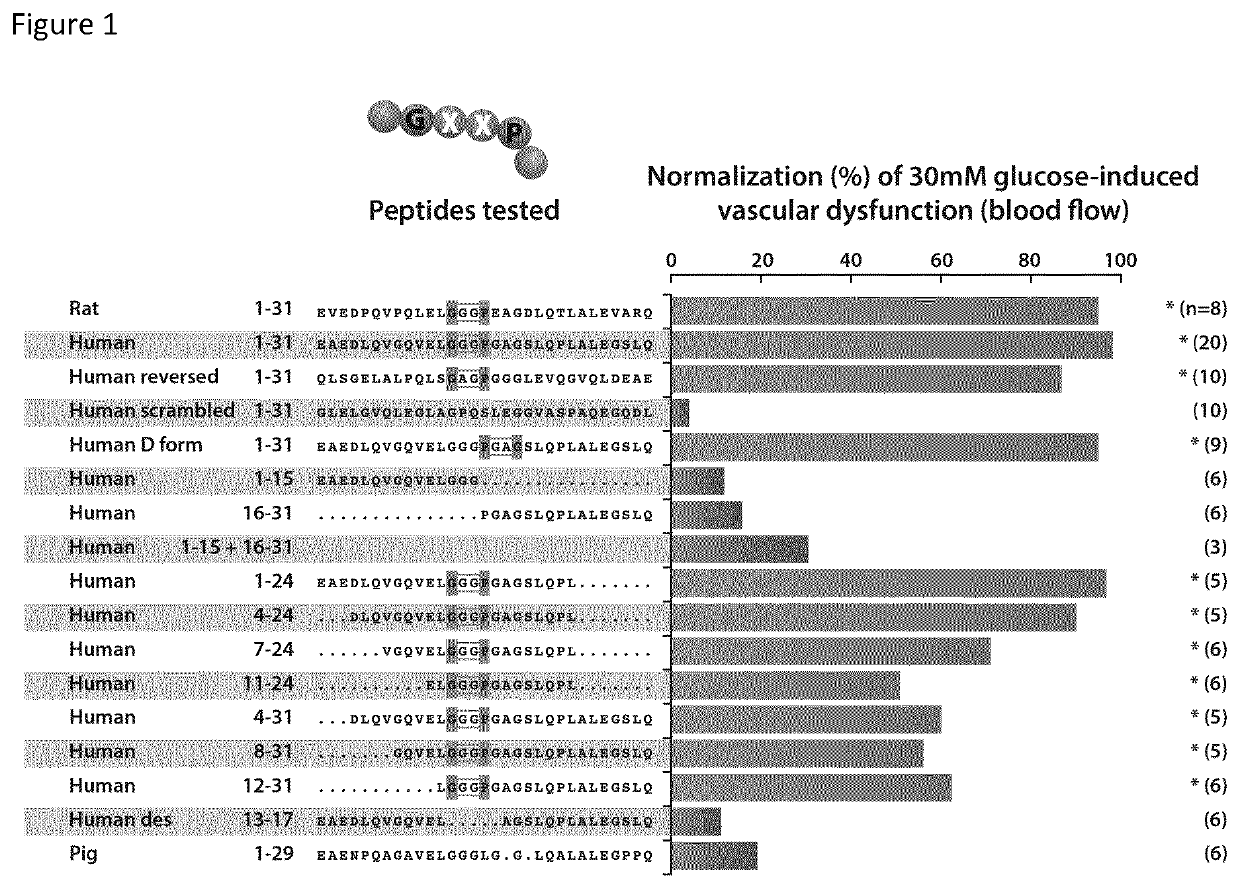
Figure 1 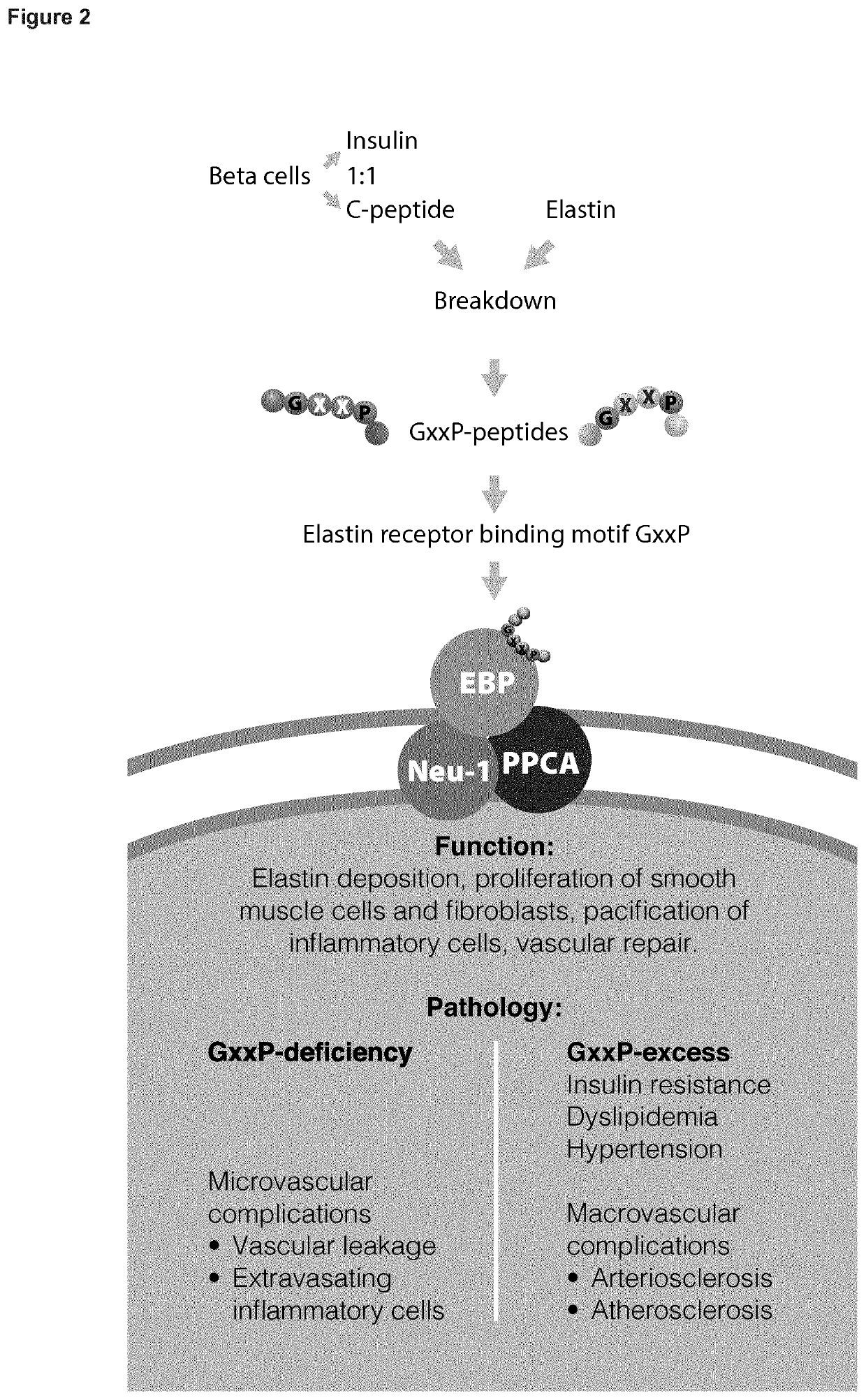
Figure 2 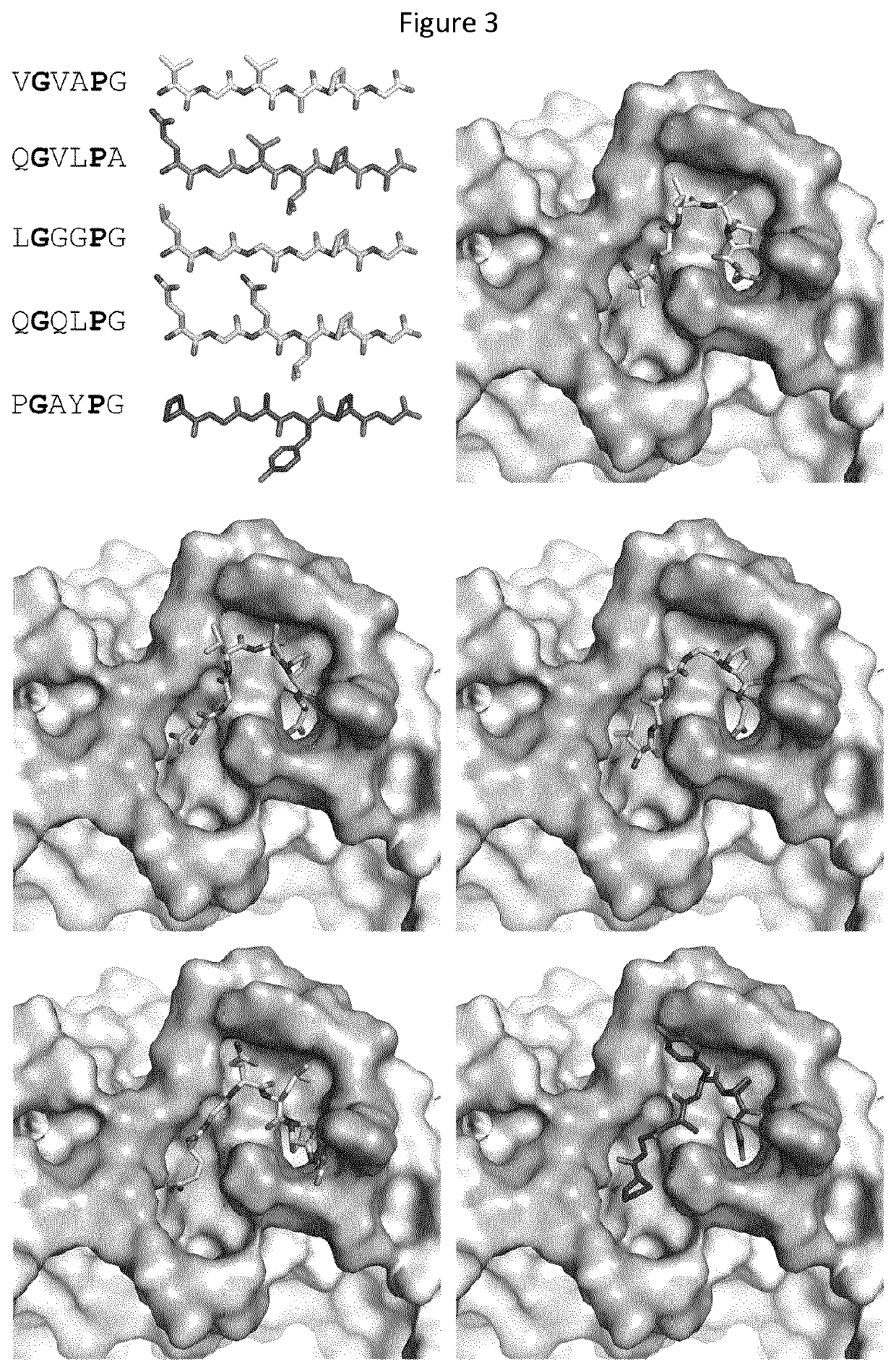
Figure 3
Abstract
Description
CROSS-REFERENCE TO RELATED APPLICATIONS
[0001] This application is a national phase entry under 35 U.S.C. § 371 of International Patent Application PCT / EP2018 / 052822, filed Feb. 5, 2018, designating the United States of America and published as International Patent Publication WO 2018 / 141969 A1 on Aug. 9, 2018, which claims the benefit under Article 8 of the Patent Cooperation Treaty to European Patent Application Serial No. 17154889.4, filed Feb. 6, 2017.TECHNICAL FIELD
[0002] The disclosure belongs to the field of human medicine, and belongs to the field of pharmacy, biotechnology and drug development. The disclosure relates to the etiology of metabolic syndrome and provides use of immune-modulatory peptides for treatment of inflammation, insulin resistance, atheromatous disease, arteriosclerosis, atherosclerosis, cardiovascular disease, micro- and macrovascular pathologies in type 1 and type 2 diabetes mellitus, in humans.BACKGROUND
[0003] Our all-too-human habit to overeat and the eas...
Examples
Embodiment Construction
[0120]Human C-peptide is found a ligand of the human elastin receptor.[0121]Elastin receptor shall mean a chemical group or molecule on the cell surface or in the cell interior that has an affinity for a peptide having an amino acid motif GxxP, wherein G represents the one-letter code for the amino acid glycine, P for the amino acid proline and x for any amino acid, the amino acid following P preferably allowing for a type VIII-beta turn, a condition that is met when P is C-terminally followed by a G, the elastin receptor typically represented in humans by the elastin binding protein known in the publicly accessible database Uniprot as GLB1—isoform 2 under identifier: PI6278-2.[0122]C-peptide shall mean a peptide typically produced by beta-cells in the pancreas together with insulin, the C-peptide represented in humans by the peptide known in the publicly accessible database Uniprot as INS-isoform —1 under identifier: P01308-1, position 57-87.
[0123]Human C-peptide, connecting immatu...