Method for separating and screening oligographic bacterium producing protease

A technology for separation, screening and production of protease, which is applied in the field of separation and screening of protease-producing strains, and can solve the problems of undiscovered reports on the physiological function of secreted protease.

CN102268392BInactive Publication Date: 2013-01-23XINJIANG INST OF ECOLOGY & GEOGRAPHY CHINESE ACAD OF SCI
0 Cites 0 Cited by

Patent Information

Authority / Receiving Office
CN · China
Patent Type
Patents(China)
Current Assignee / Owner
Publication Date
2013-01-23
Estimated Expiration
Not applicable · inactive patent

Smart Images

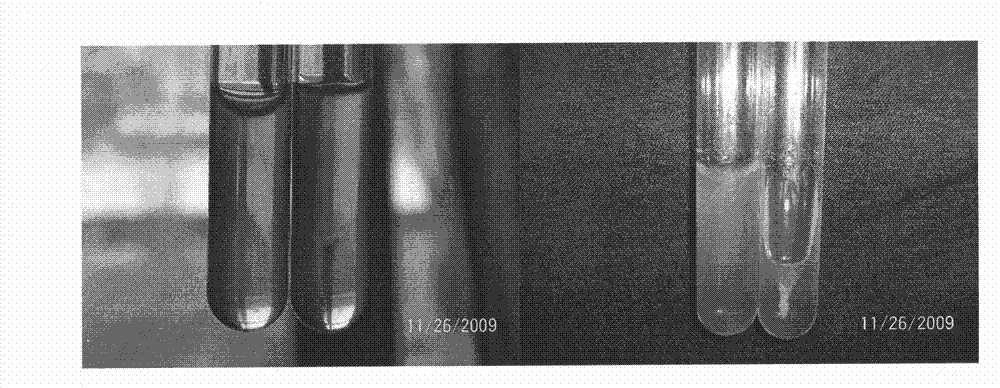
  • Figure 1
    Figure 1
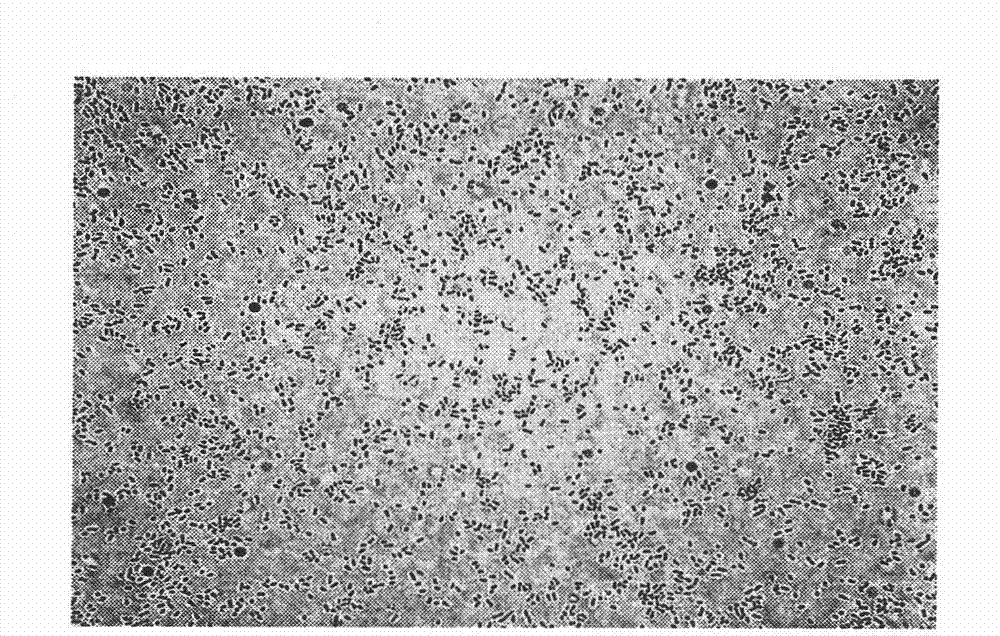
  • Figure 2
    Figure 2
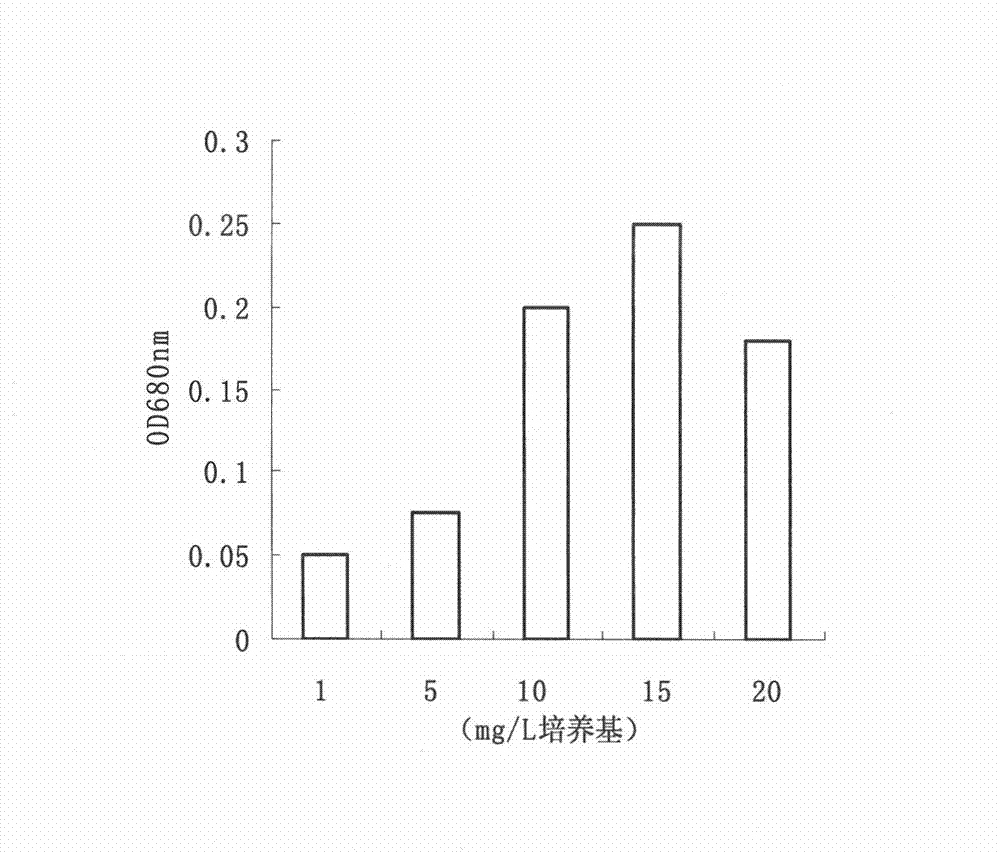
  • Figure 3
    Figure 3
Patent Text Reader

Abstract

The invention relates to a method for separating and screening an oligographic bacterium producing protease. A sample separated by the method is acquired from lean oil of Gurbantunggut Desert of Xinjiang, a low-nutrient formula is adopted, and the separated and purified 36 strains of bacteria are oligotrophic. Primary screening is carried out by a gelatin liquefaction method, secondary screening is carried out by taking casein as a substrate, and a strain with high protease producing capacity is screened, wherein the thallus is rod-like and the colony is round. The method has high selectivityand efficiency; and the obtained strain has low nutrient requirement, high protease producing capacity and high temperature resistance, and can reduce cost when applied to enzyme preparation production. The oligographic bacterium probably becomes a protease producing bacterium with important application prospect.
Need to check novelty before this filing date? Find Prior Art

Description

Technical field:

[0001] The invention relates to a method for separating and screening protease-producing strains, in particular to a method for separating and screening protease-producing oligotrophic bacteria. Background technique:

[0002] Protease is the commercial enzyme with the largest production and sales volume in the world today. It is widely used in industries such as food, brewing, medicine, textile, leather, detergent and feed, and plays an important role in the development of the national economy. The enzymes are widely distributed in animals, plants and microorganisms. Due to the short production cycle and simple extraction process, microorganisms have increasingly become the main source of industrial enzyme preparations. There are many kinds of microorganisms that produce proteases, and the main microbial strains currently used in the industrial production of proteases are Bacillus. my country's protease research has made great progress in the past 20 years...

Examples

Embodiment 1

[0029] Preparation of medium:

[0030] Separation medium: slant / plate medium: (NH 4 ) 2 SO 4 0.5, KH 2 PO 4 1g, MgSO 4 0.2g, NaCl 5g, CaCO 3 5g, glucose (15mg carbon content per liter medium), 11g agar powder (not added to liquid medium); 1000ml distilled water, pH7.0-7.2;

[0031] Primary selection medium: gelatin medium: beef extract 3g, peptone 5g, gelatin 120g, pH7.0-7.2;

[0032] Multiple selection medium / shake flask medium: corn flour 20g, bean cake powder 15g, bran 20g, Na 2 HPO 4 0.3g, NaH 2 PO 4 0.2g, MgSO 4 0.2g, CaCl 2 0.2g, distilled water 1000ml, pH 7-7.2;

[0033] Sampling: Take a soil sample at 0-5cm from the Gurbantunggut Desert in Xinjiang and put it into a sampling bag for later use;

[0034] Isolation of bacterial strains: the sample was spread on the plate of the separation medium (inorganic nitrogen medium) by plate dilution separation method, and cultured at 37°C for 48 hours. After obtaining a single colony, it was purified by streak...