
Phosphate laser neodymium glass
A phosphate and neodymium glass technology, applied in the field of phosphate laser neodymium glass, can solve the problems of low stimulated emission cross-section, inability to meet low thermo-optic effect, large thermo-optic coefficient, etc.
- Summary
- Abstract
- Description
- Claims
- Application Information
AI Technical Summary
Problems solved by technology
Method used
Image

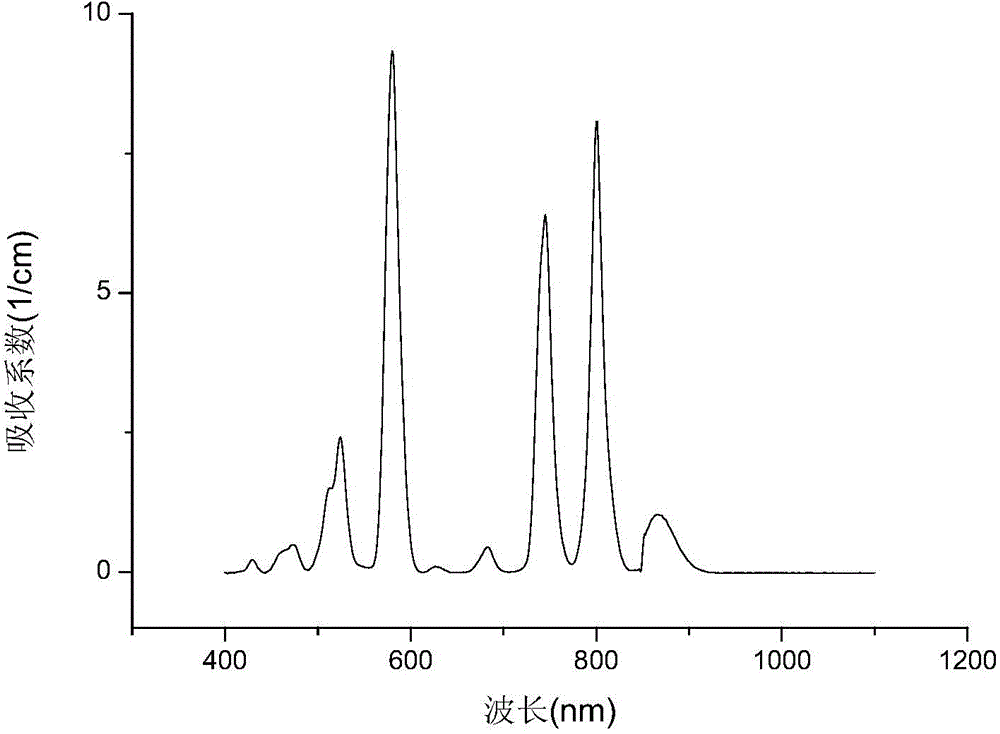
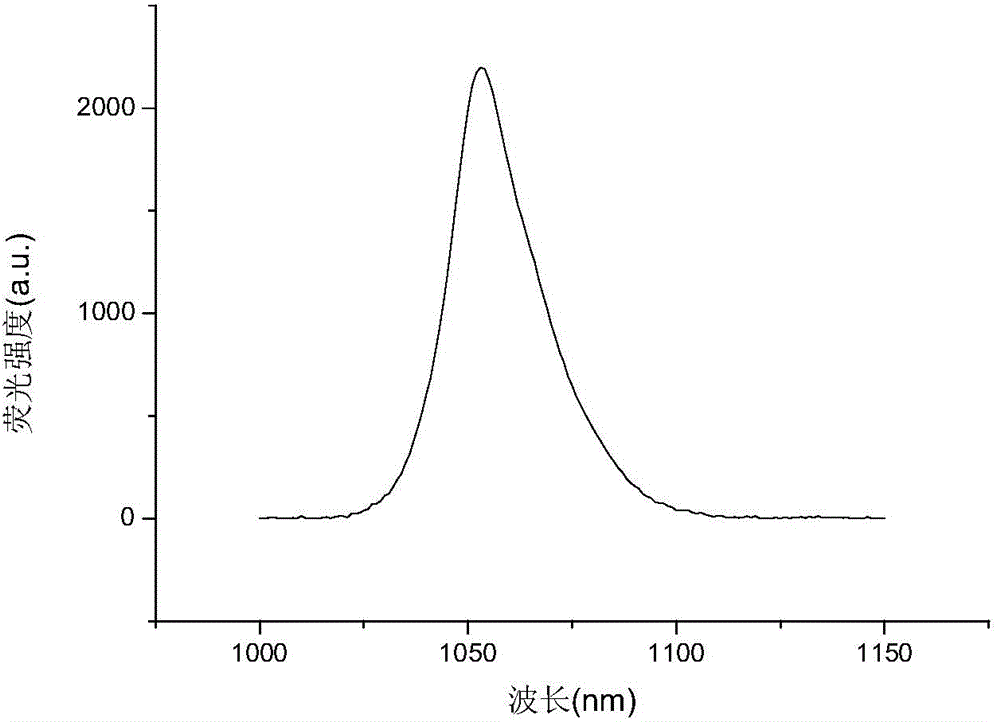

Examples
Embodiment Construction
[0020] The present invention will be further described below in conjunction with the embodiments and accompanying drawings, but the protection scope of the present invention should not be limited thereby.
[0021] The technical route of the present invention is to increase the nonlinear refractive index n of neodymium glass without obvious 2 Under the premise of ds / dT and thermo-optic coefficient, a certain amount of oxide with weak cation electric field is introduced to increase the Nd 3+ The surrounding coordination is very asymmetric, which improves the emission transition probability of the neodymium glass A rad . The relationship between the stimulated emission cross section σ and the emission transition probability is as follows:
[0022] σ = λ p 4 8 π cn 2 1 ...
PUM
| Property | Measurement | Unit |
|---|---|---|
| refractive index | aaaaa | aaaaa |
| refractive index | aaaaa | aaaaa |
Abstract
Description
Claims
Application Information
 Login to View More