
Electrochemical cross-linking process for surface modification of biological material
A biomaterial and surface modification technology, applied in the field of biomedical materials, can solve the problems of the influence of the material body structure, complex operation process, expensive equipment and other problems, to improve anticoagulant performance, simple process and good reproducibility Effect
Patent Information
- Authority / Receiving Office
- CN · China
- Patent Type
- Patents(China)
- Current Assignee / Owner
- Publication Date
- 2008-11-12
- Estimated Expiration
- Not applicable · inactive patent
Smart Images
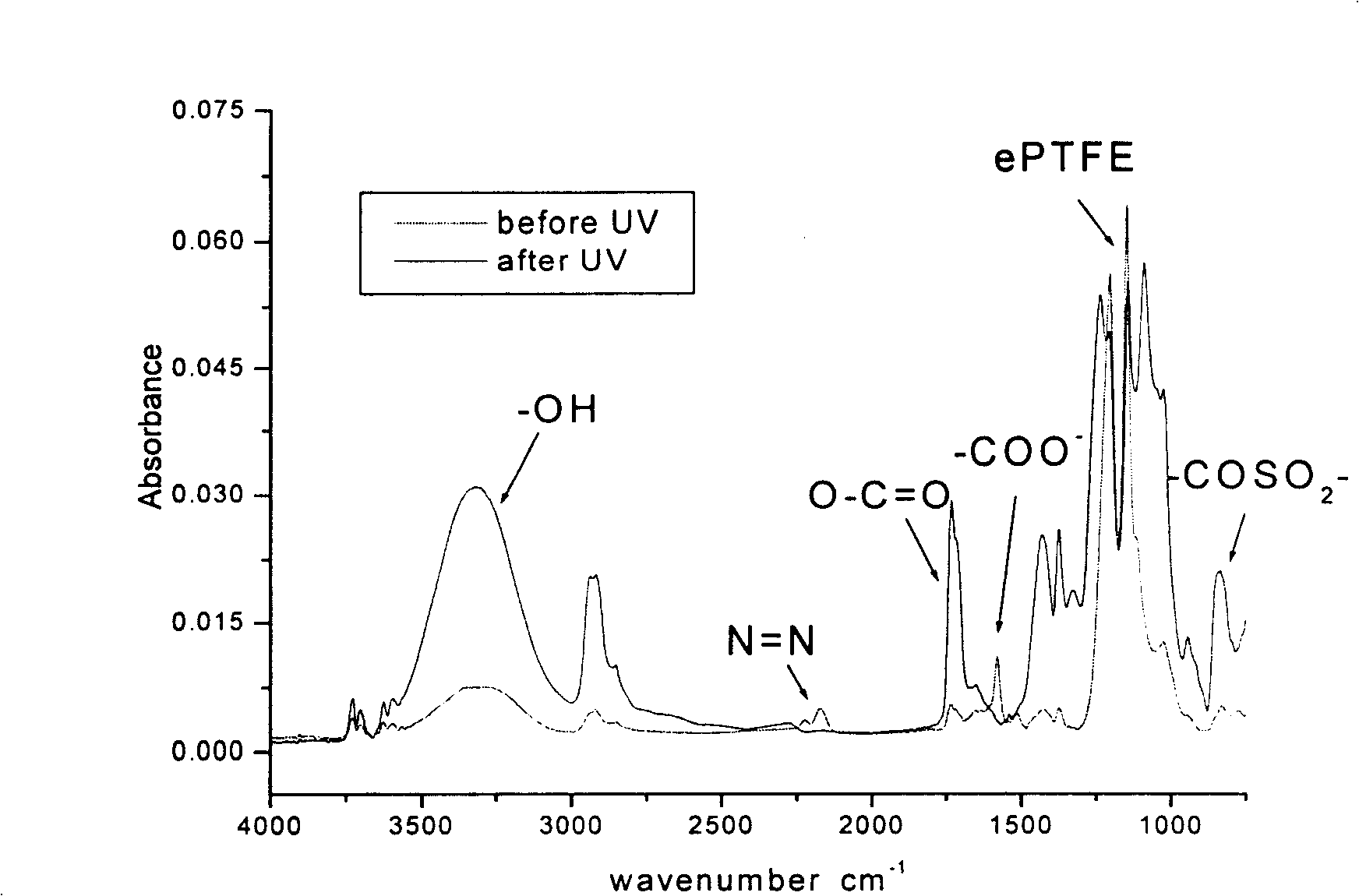
Figure 1 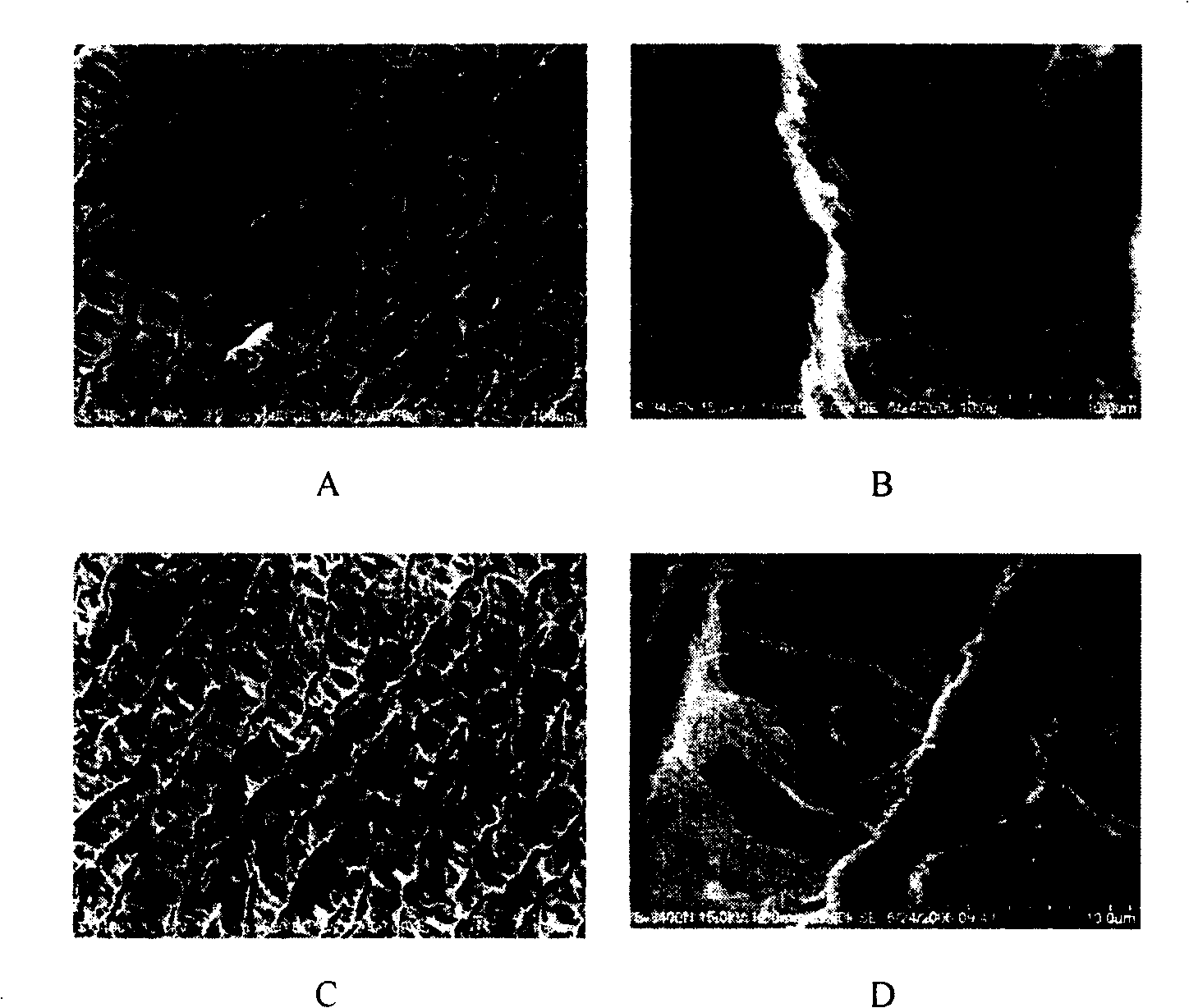
Figure 2 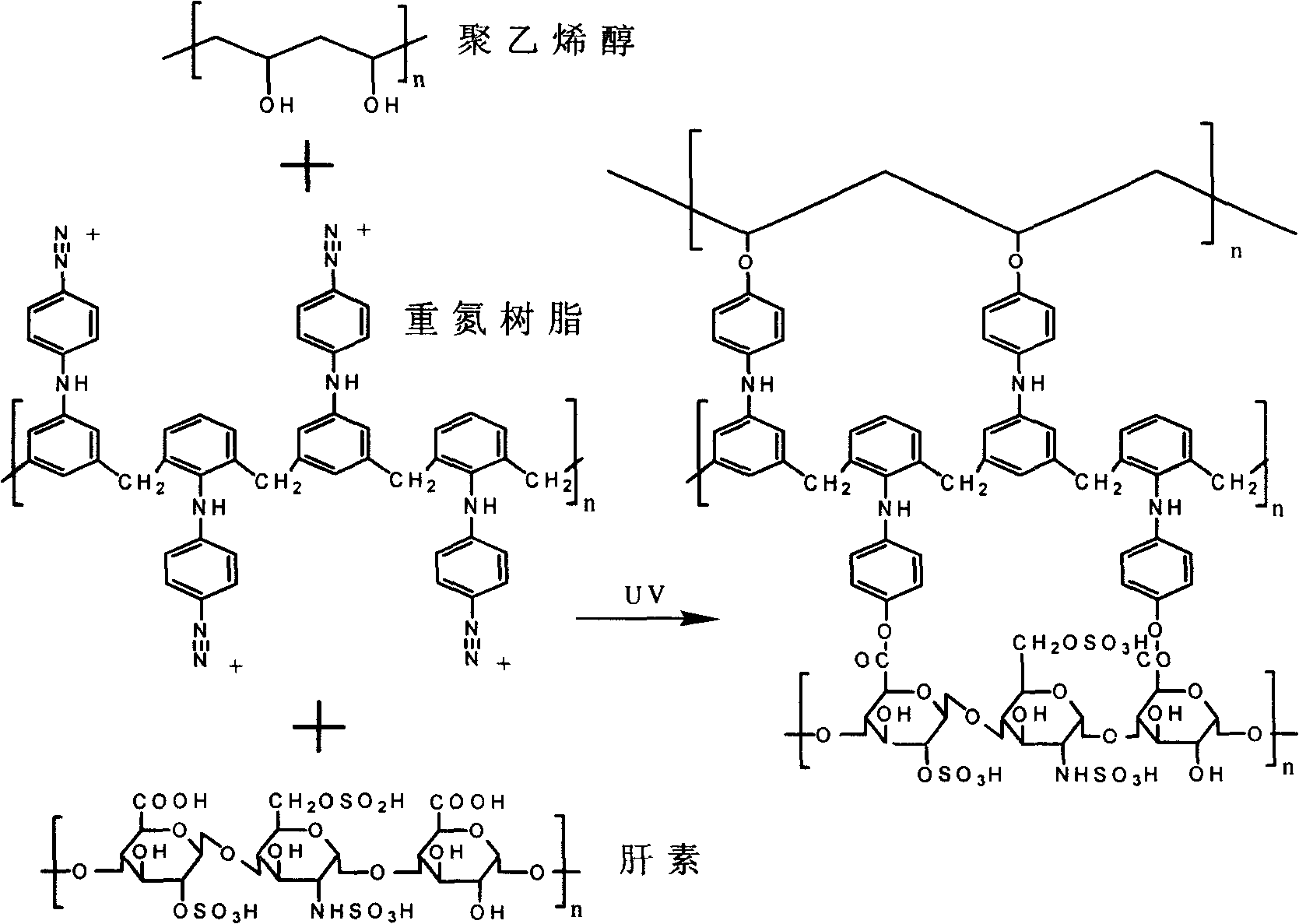
Figure 3
Abstract
Description
Technical field:
[0001] The invention belongs to the field of biomedical materials, and relates to a method for modifying and modifying the surface of biological materials by photochemical crosslinking to make them have good blood compatibility and tissue compatibility. Background technique:
[0002] Biocompatibility, including hemocompatibility and tissue compatibility, is a basic requirement for the application of biomaterials. In addition to designing and manufacturing new materials with excellent performance, surface chemical treatment (surface grafting of macromolecules or groups), surface physical modification (plasma, ion implantation or ion beam) and biological modification of traditional materials are The most effective way to improve the biocompatibility of biomaterials. Using cytology and molecular biology methods, proteins, cell growth factors, enzymes, and peptides can be immobilized on the surface of existing materials, and a new generation of molecular biomat...
Examples
specific Embodiment approach 1
[0015] Specific embodiment 1: This embodiment is achieved in this way: a, soak the biological material in an organic solvent, ultrasonically clean it, and dry it; b, coat perfluorosulfonic acid on the surface of the biological material; c, prepare polyvinyl alcohol, A mixed solution of diazo resin and heparin is applied to the surface of the biological material; d. After drying, the polymer coating is irradiated with ultraviolet light, and covalent bonding occurs between the polymers in the coating through a photochemical reaction. couplet.
[0016] In this embodiment, the biological material is a blood vessel of various diameters made of various materials including expanded polytetrafluoroethylene, preferably a polytetrafluoroethylene artificial blood vessel.
[0017] In this embodiment, the organic solvent used for cleaning the biological material is absolute ethanol, acetone, methanol or a mixture thereof.
[0018] In this embodiment, the diazo resin can be selected from d...
specific Embodiment approach 2
[0020] Specific implementation mode two: this implementation mode is realized in this way:
[0021] (1) Artificial blood vessel pretreatment: ultrasonically clean the artificial blood vessel in absolute ethanol for 1-300 minutes, and dry at 10-150° C. for 0.1-24 hours.
[0022] (2) The artificial blood vessel is perfused with 0.01-30 wt% perfluorosulfonic acid solution, soaked for 1-300 minutes, and dried.
[0023] (3) Prepare a mixed aqueous solution of polyvinyl alcohol, diazo resin and heparin, perfuse the dried artificial blood vessel, and let it dry.
[0024] (4) The artificial blood vessel is irradiated with ultraviolet light, and covalent bond cross-linking occurs between polymers in the coating through photochemical reaction.
[0025] In step (1) of this embodiment, the ultrasonic time is preferably 30 minutes, the drying temperature is preferably 60° C., and the drying time is preferably 0.5 hour.
[0026] In step (2) of this embodiment, the concentration of the per...