
Use of flash sintering technique for the synthesis and densification of iodoapatites
An iodoapatite and rapid sintering technology, applied in radioactive purification, nuclear engineering and other directions, can solve problems such as unfavorable energy, time and cost burden, pollution, etc., and achieve the effect of eliminating the risk of diffusion and iodine volatilization
Patent Information
- Authority / Receiving Office
- CN · China
- Patent Type
- Applications(China)
- Current Assignee / Owner
- Publication Date
- 2010-09-01
Smart Images
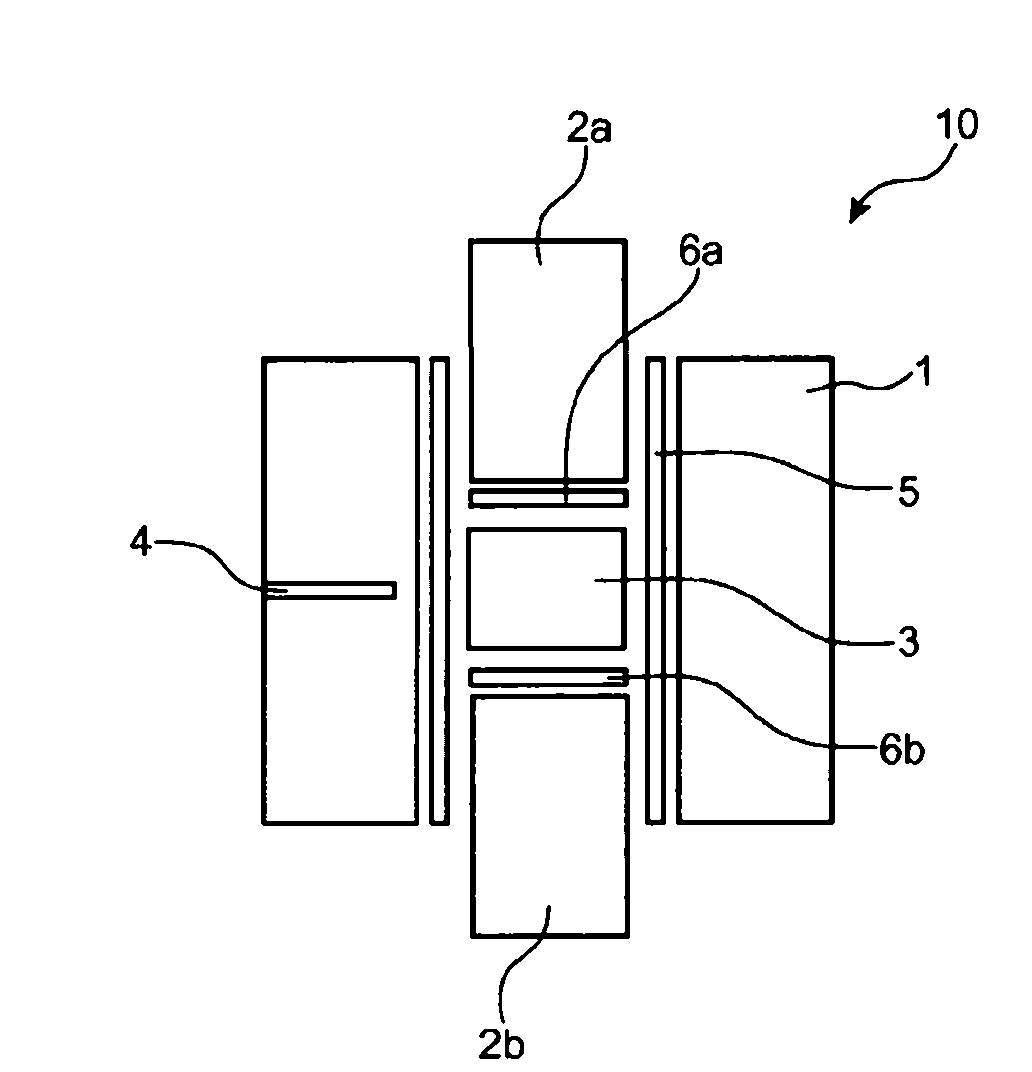
Figure 1 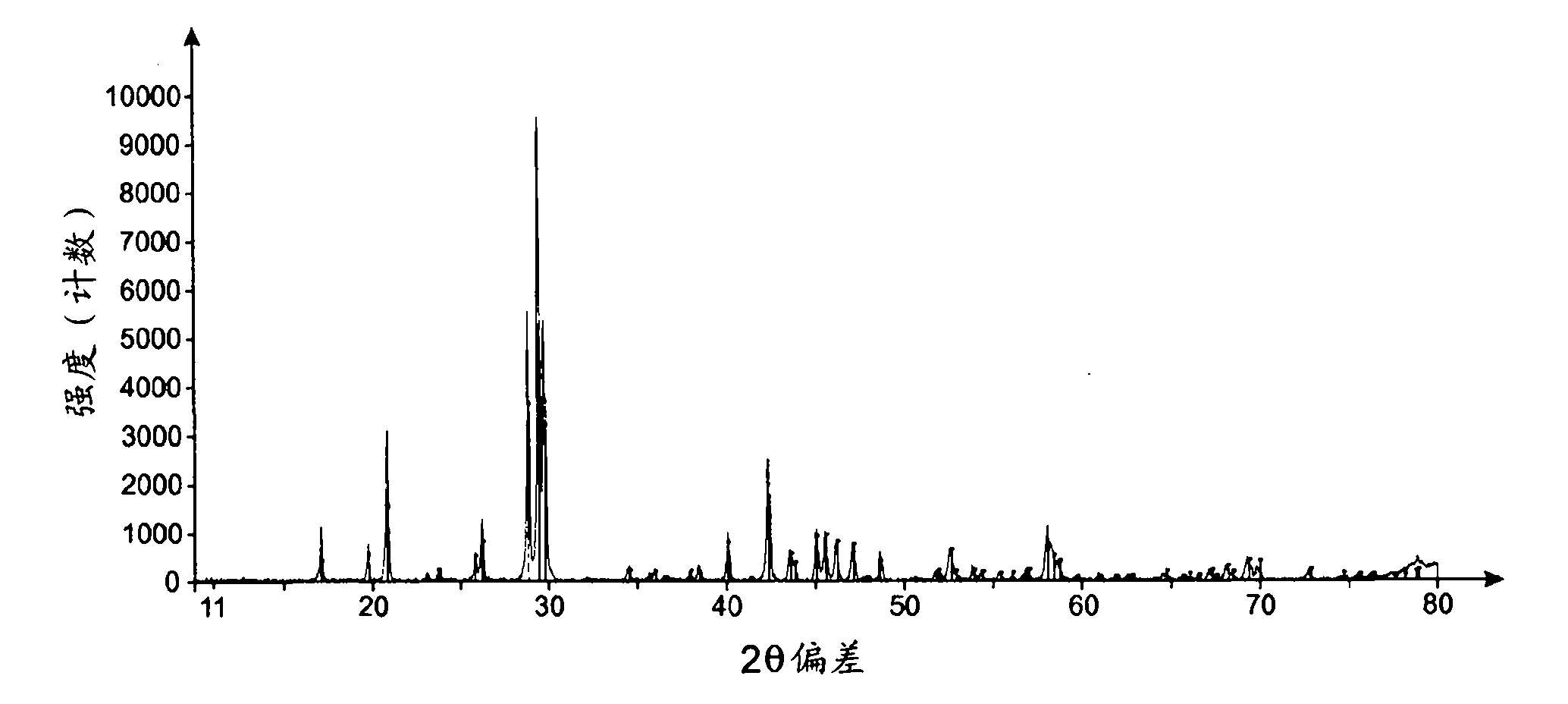
Figure 2
Abstract
Description
technical field
[0001] The present invention relates to the use of the process known as "rapid sintering", also abbreviated SPS (Spark Plasma Sintering) and FAST (Field Activated Sintering Technology) for the synthesis and densification (or densification) of iodine apatites. ) or iodoapatites.
[0002] The invention notably finds application in the field of reprocessing (or reprocessing) of spent nuclear fuel, where it can be used to condition and store in apatite the radioactive iodine present in the aqueous effluent produced during this reprocessing , especially iodine-129. Background technique
[0003] Iodine is a fission product present in spent nuclear fuel, and its 129 isotope has a half-life of 15.7 million years.
[0004] Considering its radiotoxicity in humans, which is closely linked to its affinity for the thyroid gland (where it accumulates), some research has been done in recent years on the regulation and storage of iodine in durable matrices The substrate i...
Examples
Embodiment Construction
[0061] The chemical formula Pb is prepared in the following manner 10 (VO 4 ) 4.8 (PO 4 ) 1.2 I 2 of iodoapatite.
[0062] Preparation of lead vanadate phosphate / lead iodide mixture:
[0063] First, the composition Pb 3 (VO 4 ) 1.6 (PO 4 ) 0.4 lead vanadate phosphate.
[0064] The response is as follows:
[0065] 3PbO+0.8V 2 o 5 +0.4(NH 4 ) 2 HPO 4 →Pb 3 (VO 4 ) 1.6 (PO 4 ) 0.4 +0.6H 2 O+0.8NH 3 .
[0066] The lead vanadate phosphate thus obtained was then subjected to first grinding in ultrapure water (solids / water weight ratio=1) using a planetary mill equipped with a cylinder made of tungsten carbide and ball. This milling was performed for 1 hour at a speed of 300 rpm.
[0067] Next, the lead vanadate phosphate was subjected to a second milling in water. At 750cm made of zirconia 3 The milling was carried out in a cylinder with a powder / ball weight ratio equal to 1 / 9 (weight of powder = 100 g) and using as milling media a medium consisting of z...