
Cleaning method of full-range FCC (Fluid Catalytic Cracking) gasoline
A technology of catalytic cracking gasoline and full fraction, which is applied in the field of cleaning of full fraction catalytic cracking gasoline, can solve the problems of octane number loss and olefin content cannot be reduced, and improve anti-coking performance, reduce energy consumption, synthetic method simple effect
Patent Information
- Authority / Receiving Office
- CN · China
- Patent Type
- Applications(China)
- Current Assignee / Owner
- Publication Date
- 2018-06-29
Smart Images
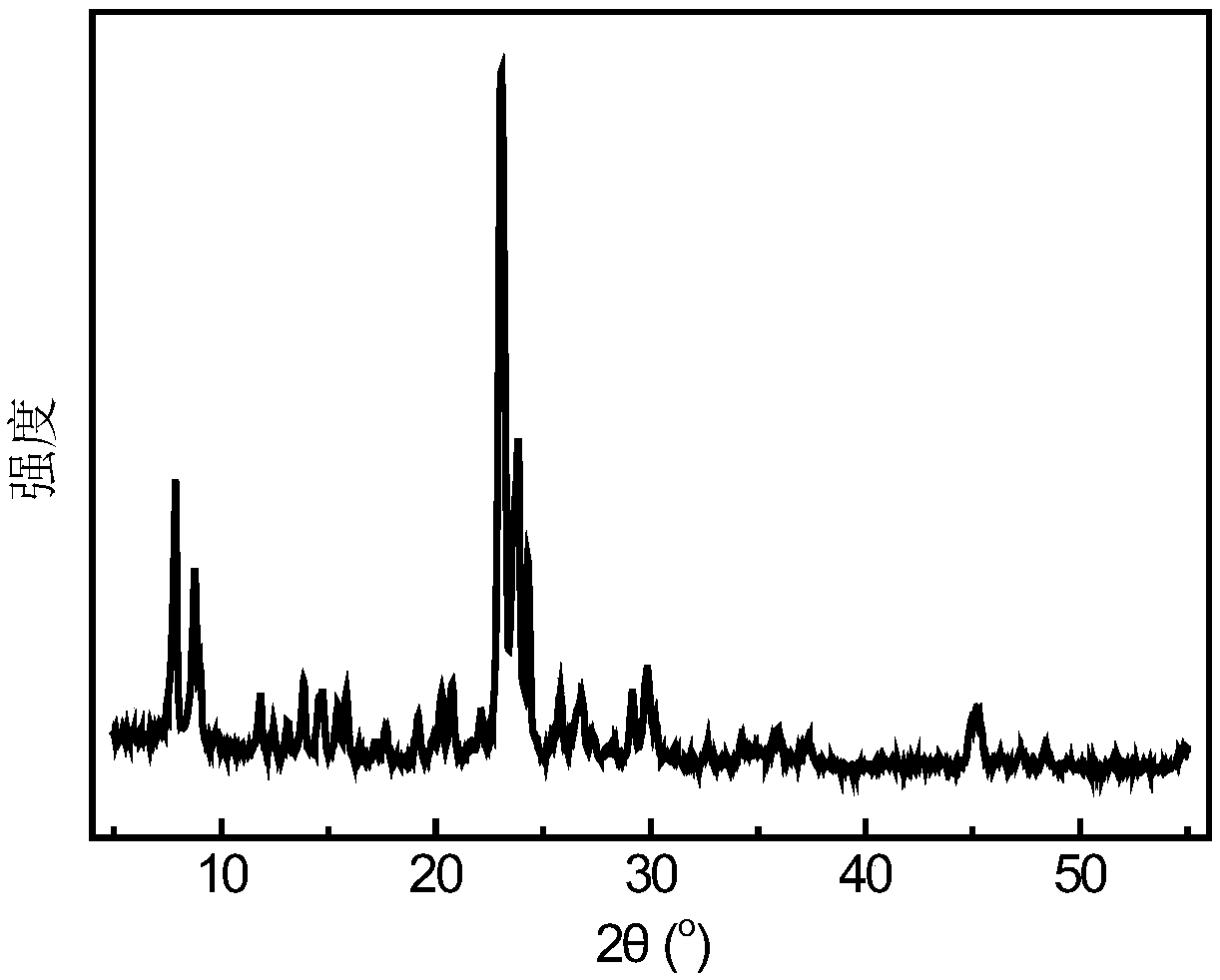
Figure 1 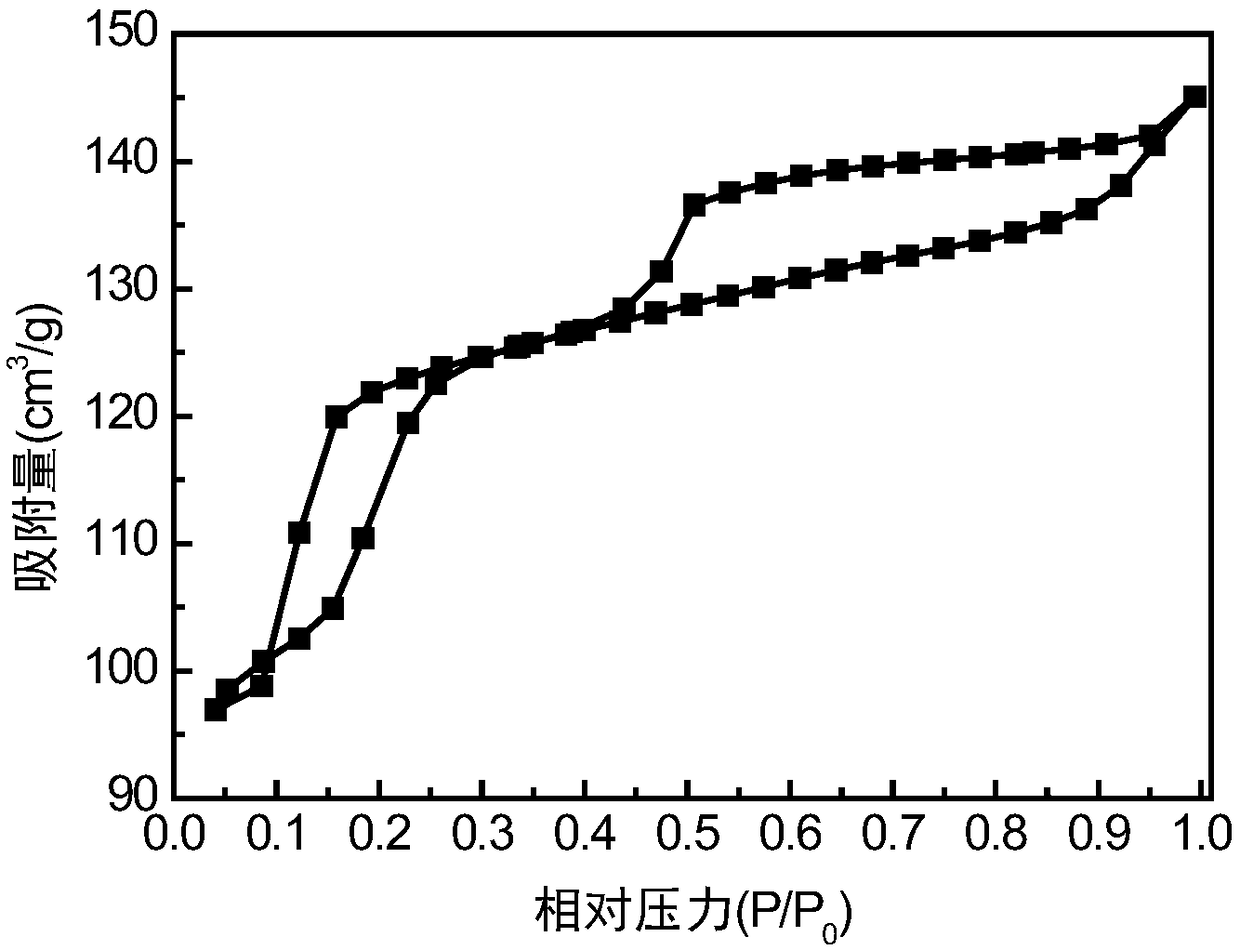
Figure 2 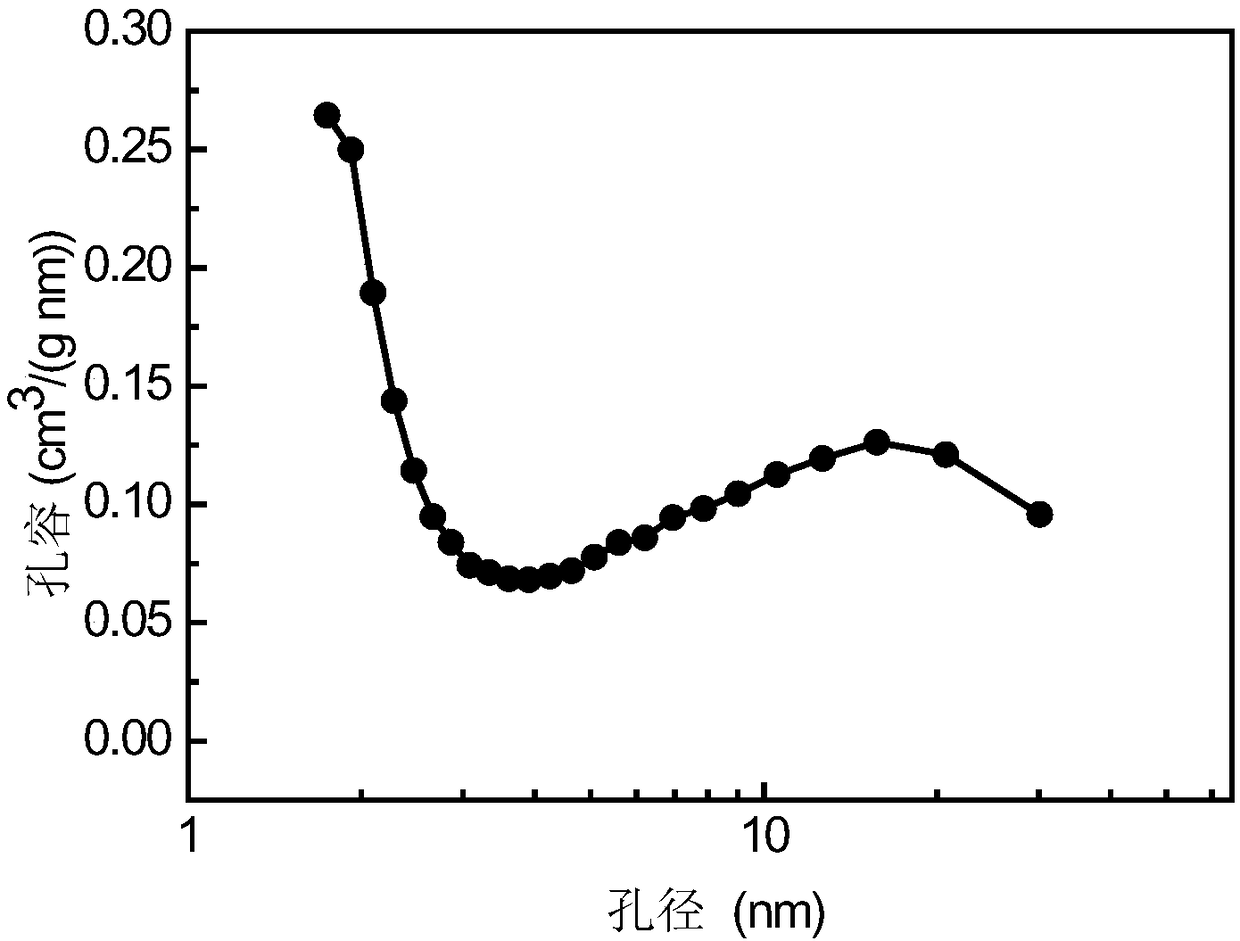
Figure 3
Abstract
Description
technical field
[0001] The invention relates to the field of catalytic cracking gasoline, in particular to a method for cleaning whole fraction catalytic cracking gasoline. Background technique
[0002] The cleaning of FCC gasoline is mainly completed by FCC gasoline post-treatment technology, mainly including hydrodesulfurization technology, hydrogen adsorption desulfurization technology, oxidation desulfurization technology, extraction desulfurization technology and biodegradation desulfurization technology, etc., hydrodesulfurization and hydrogen adsorption desulfurization technology Due to the maturity of the technology, it will still be the mainstream technology of FCC gasoline cleaning at present or for a period of time in the future.
[0003] Hydrodesulfurization is a process to clean FCC gasoline under the condition of hydrogen. The current mainstream hydrodesulfurization technology adopts pre-hydrogenation of whole-fraction FCC gasoline-cutting of light and heavy fr...
Examples
Embodiment 1
[0040] The raw material is FCC gasoline, and its composition is shown in Table 1.
[0041] The FCC gasoline composition in the embodiment 1 of table 1
[0042]
[0043] FCC gasoline is firstly processed through a pre-hydrogenation reactor to remove diolefins, the reaction temperature is 100°C, the reaction pressure is 1.5MPa, and the liquid volume space velocity is 6h -1 , the volume ratio of hydrogen to oil is 4:1. The catalyst composition is MoO 3 6%, NiO 13% and γ-Al 2 o 3 81%.
[0044] The obtained product undergoes deep desulfurization through the adsorption desulfurization unit, the operating temperature is 400°C, the operating pressure is 2MPa, and the weight hourly space velocity is 4h -1 , the adsorbent is a composite oxide catalyst (by mass, containing 80% zinc oxide, 15% nickel oxide and 5% aluminum oxide).
[0045] Finally, the desulfurized product is subjected to olefin isomerization, the reaction temperature is 300°C, the reaction pressure is 2.0MPa, a...
Embodiment 2
[0052] Raw material is identical with the raw material in embodiment 1.
[0053] FCC gasoline is firstly processed through a pre-hydrogenation reactor, the reaction temperature is 120°C, the reaction pressure is 2MPa, and the liquid volume space velocity is 4h -1 , the volume ratio of hydrogen to oil is 5:1, and the catalyst composition is MoO 3 8%, NiO 15%, K 2 O 1%, La 2 o 3 1% and γ-Al 2 o 3 75%.
[0054] The obtained product undergoes deep desulfurization through the adsorption desulfurization unit, the operating temperature is 450°C, the operating pressure is 3MPa, and the weight hourly space velocity is 6h -1 The adsorbent is an activated carbon-based adsorbent (by weight, containing 88% of activated carbon and 12% of zinc oxide).
[0055] Finally, the desulfurized product is subjected to olefin isomerization, the reaction temperature is 350°C, the reaction pressure is 3.0MPa, and the weight hourly space velocity is 6h -1 , The volume ratio of hydrogen to oil i...
Embodiment 3
[0062] Raw material is identical with the raw material in embodiment 1.
[0063] FCC gasoline is first processed through a pre-hydrogenation reactor, the reaction temperature is 150°C, the reaction pressure is 2.5MPa, and the liquid volume space velocity is 4h -1 , the volume ratio of hydrogen to oil is 6:1, and the catalyst composition is MoO 3 9%, NiO13%, K 2 O 4%, La 2 o 3 1% and γ-Al 2 o 3 73%.
[0064] The above products undergo deep desulfurization through the adsorption desulfurization unit, the operating temperature is 380°C, the operating pressure is 3.5MPa, and the weight hourly space velocity is 3h -1 The adsorbent is a molecular sieve-based adsorbent (by weight, containing 75% of Y-type molecular sieve and 25% of mordenite).
[0065] Finally, the desulfurized product is subjected to olefin isomerization, the reaction temperature is 200°C, the reaction pressure is 4.5MPa, and the weight hourly space velocity is 2h -1 , the volume ratio of hydrogen to oil i...