
Pyrrole derivative
Patent Information
- Authority / Receiving Office
- US · United States
- Current Assignee / Owner
- Publication Date
- 2004-08-19
- Estimated Expiration
- Not applicable · inactive patent
Smart Images
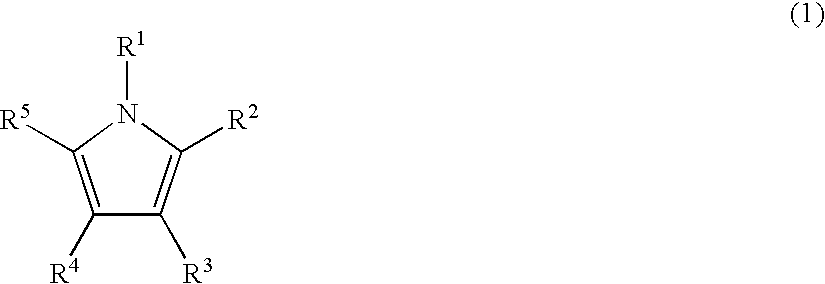
Figure 1 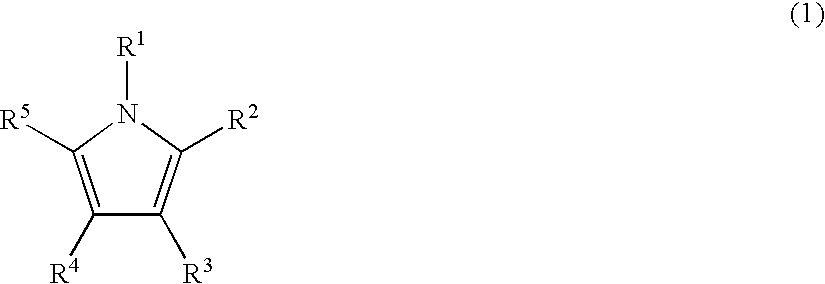
Figure 2 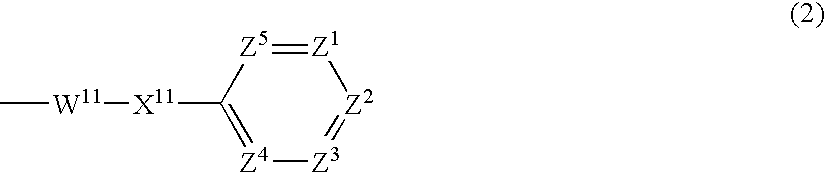
Figure 3
Abstract
Description
[0001] The present invention relates to novel pyrrole derivatives and salts thereof. In detail the present invention relates to novel pyrrole derivatives and salts thereof which have antidiabetic activity. In more detail the present invention relates to novel pyrrole derivatives and salts thereof which have antidiabetic activity improving insulin resistance and safely controlling blood sugar level.
[0002] Recently due to westernization of eating-habit and increase of social stress, the number of patients with diabetes mellitus has been significantly increasing. Diabetes mellitus is a disease as main cause of chronically hyperglycemia and presents the symptom of said disease by lack of insulin or an excess of inhibitory factor for activity of insulin. Namely, diabetes mellitus is characterized as absolute or relative lack of insulin activity. Diabetes mellitus is clinically classified into insulin-dependent diabetes mellitus (IDDM) and noninsulin-independent diabetes mellitus (NIDDM)....
Examples
reference example 1
Preparation for (1H-pyrrol-2-yl)(4-methylphenyl)ketone
reference example 1-1
Preparation for (1-benzenesulfonyl-1H-pyrrol-2-yl)(4-methylphenyl)ketone
[0843] 65
[0844] To a solution of 1-benzenesulfonyl-1H-pyrrole (284 g, 1.37 mol) in dichloromethane (1.0 L) were added p-toluoyl chloride (318 g, 2.06 mol) and boron trifluoride-diethyl ether (350 g, 2.47 mol) under an atmosphere of nitrogen. The mixture was allowed to stand at room temperature for 7 days. The reaction solution was washed with 1N hydrochloric acid (750 ml) twice, an aqueous 1N sodium hydroxide solution (750 ml) and a saturated aqueous sodium chloride solution (100 ml) in the order, dried and filtered. The filtrate was further concentrated to about 500 ml at atmospheric pressure, followed by addition of hexane (500 ml). Further the solution was concentrated to about 500 ml and cooled to 10.degree. C. The precipitate was filtered, washed with hexane and toluene in the order, and dried to give the subject compound (315 g, 71%).
[0845] .sup.1H NMR (CDCl.sub.3, 300 MHz) .delta. 8.12 (d, 2H, J=8.3 Hz), ...
reference example 1-2
Preparation for (1H-pyrrol-2-yl)(4-methylphenyl)ketone
[0846] 66
[0847] The compound (145 g, 446 mol) prepared by Reference example 1-1 was suspended in methanol (1.0 L) and thereto was added an aqueous 5N sodium hydroxide solution (1.1 kg). The mixture was refluxed under heating for 30 min. and then gradually cooled to 0.degree. C. The precipitate was collected by filtration and dried to give the subject compound (80 g, 97%).
[0848] .sup.1H NMR (CDCl.sub.3, 300 MHz) .delta. 9.52 (brs, 1H), 8.25 (d, 2H, J=8.3 Hz), 7.29 (d, 2H, J=8.3 Hz), 7.12 (brs, 1H), 6.88-6.91 (m, 1H), 6.32-6.36 (m, 1H), 2.44 (s, 3H).