
Methods and reagents for the treatment of metabolic disorders
a metabolic disorder and reagent technology, applied in the field of metabolic disorders treatment, prevention and reduction, can solve the problems of short serum half-life of insulin, major impediment to the maintenance of normoglycemia, and deregulation of glucose metabolism, so as to improve glucose uptake, prevent or reduce metabolic disorders, the effect of increasing glucose metabolism
Patent Information
- Authority / Receiving Office
- US · United States
- Patent Type
- Applications(United States)
- Current Assignee / Owner
- Publication Date
- 2006-03-30
- Estimated Expiration
- Not applicable · inactive patent
Smart Images
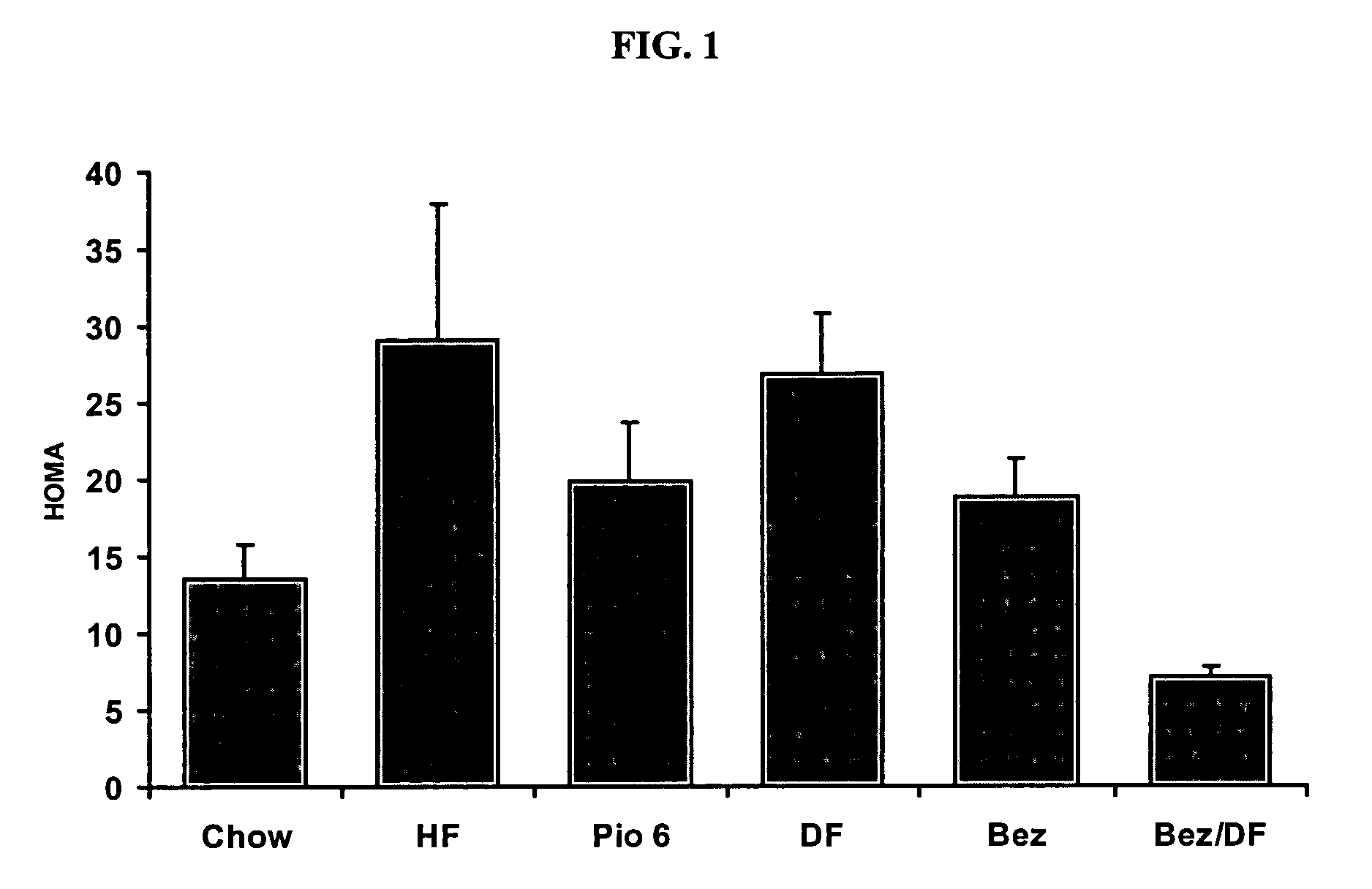
Figure 1 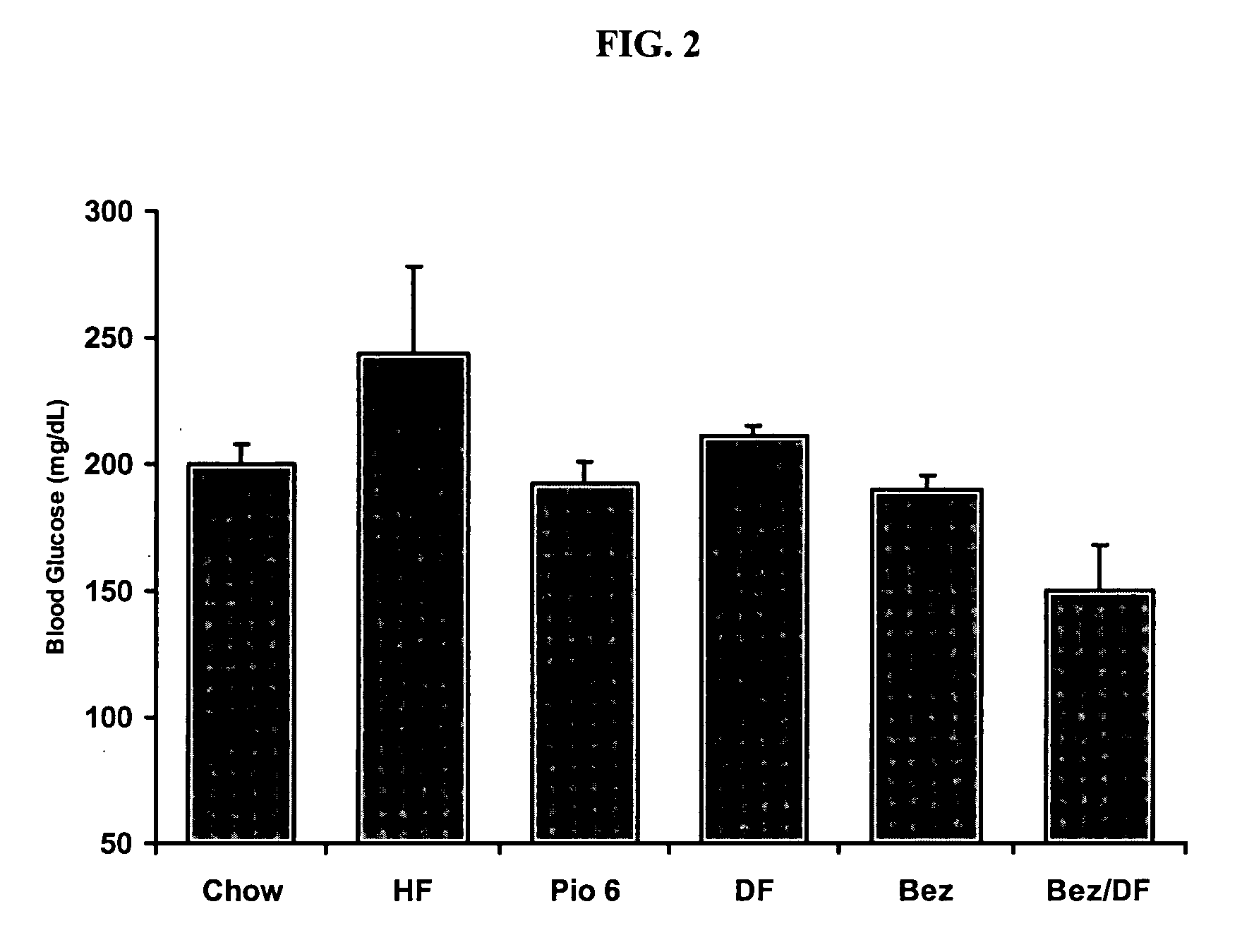
Figure 2 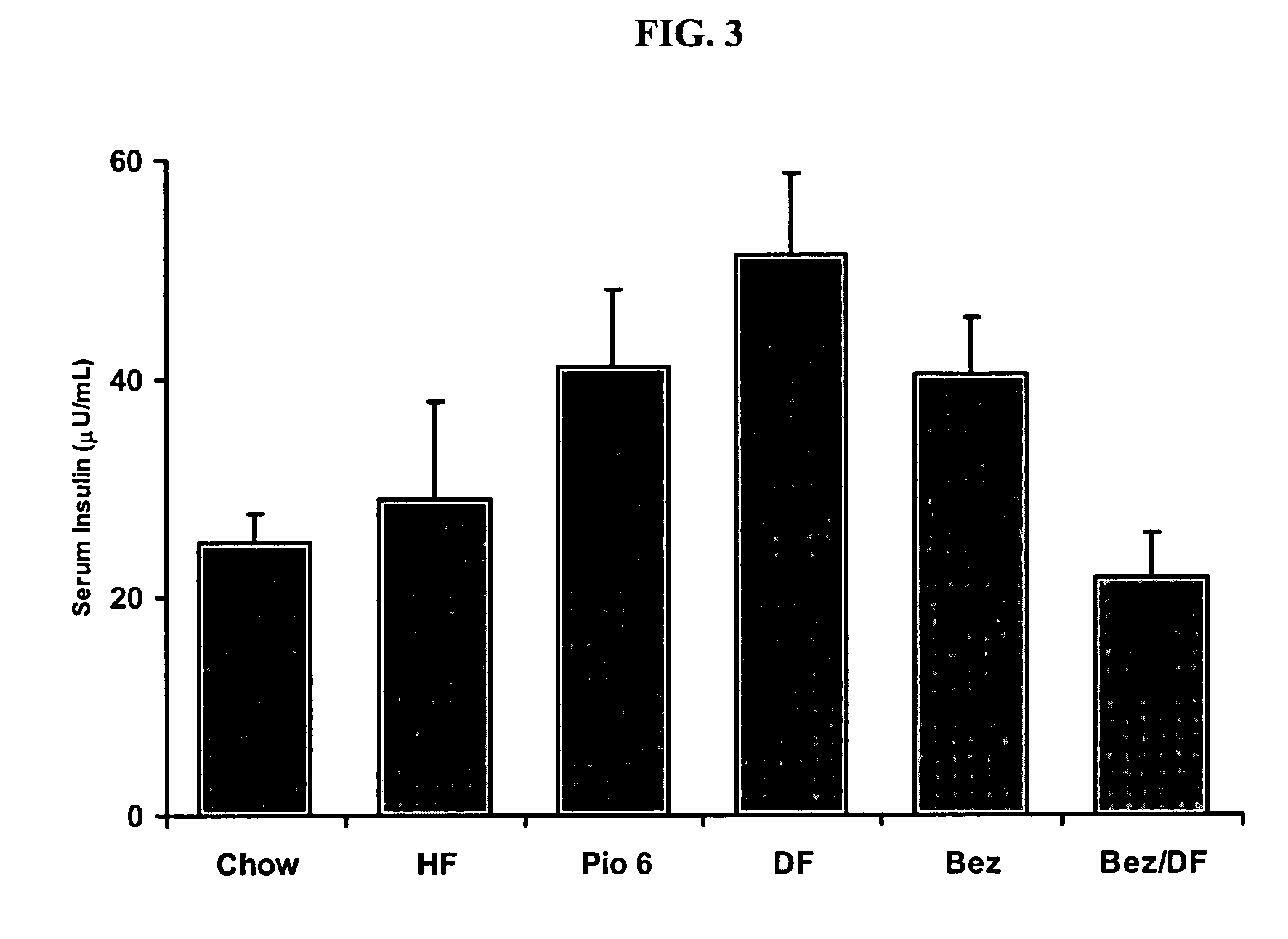
Figure 3
Abstract
Description
CROSS-REFERENCE TO RELATED APPLICATIONS
[0001] This application claims benefit from U.S. Ser. No. 60 / 584,380, filed Jun. 30, 2004, and U.S. Ser. No. 60 / 649,329, filed Feb. 2, 2005, each of which is hereby incorporated by reference.BACKGROUND OF THE INVENTION
[0002] The invention relates to the treatment, prevention, and reduction of metabolic disorders, such as diabetes and obesity.
[0003] As the levels of blood glucose rise postprandially, insulin is secreted and stimulates cells of the peripheral tissues (skeletal muscles and fat) to actively take up glucose from the blood as a source of energy. Loss of glucose homeostasis as a result of faulty insulin secretion or action typically results in metabolic disorders such as diabetes, which may be co-triggered or further exacerbated by obesity. Because these conditions are often fatal, strategies to restore adequate glucose clearance from the bloodstream are required.
[0004] Although diabetes may arise secondary to any condition that c...
Examples
example 1
An Increase in Insulin-Stimulated Glucose Uptake In Vitro
[0198] Differentiated mouse adipocytes were employed to identify combinations of agents that have the ability to increase glucose uptake upon insulin stimulation, as detected by scintillation counting of radiolabelled glucose (using, for example, the Perkin Elmer 1450 Microbeta JET reader). These assays were conducted as follows.
[0199] Materials and Methods
[0200] Prees Media
[0201] Complete media, also referred to as “Prees” media, was prepared as follows. Dulbecco's Modified Eagle's Medium (DMEM) was supplemented with L-glutamine, penicillin-G and streptomycin (pen / strep), and heat-inactivated fetal bovine serum (FBS) (heat inactivated at 65° C. for 30 minutes). Because serum can affect the growth, adherence, and differentiation of cells, any new lot of serum was first tested prior to use. Media was equilibrated in the incubator (5% CO2) until the pH was within the proper range (˜7), as indicated by the red / orange color of...
example 2
The Combination of Bezafibrate and Diflunisal Reduce Insulin Sensitivity in a Rat Model
[0217] Insulin resistance was induced in male Sprague Dawley rats by four weeks of high fat feeding (60% of calories derived from fat). Drug treatment began one week after initiation of high fat diet. Drugs were administered daily, by oral gavage for a three week period.
[0218] Following the three weeks of treatment, animals were fasted for five hours and anesthetized, and blood collected from the inferior vena cava for determination of serum glucose and insulin levels. Insulin sensitivity was determined using the homeostasis model assessment (HOMA). HOMA=fasting serum glucose×fasting serum insulin22.5
[0219] The results are shown in FIGS. 1-3.
example 3
Screening Assays Identify Additional Agents that Increase Glucose Uptake by Adipocytes
[0220] Differentiated mouse adipocytes were employed to identify combinations of agents that have the ability to increase glucose uptake upon insulin stimulation, as detected by scintillation counting of radiolabelled glucose (using, for example, the Perkin Elmer 1450 Microbeta JET reader). These assays were conducted as follows.
[0221] Materials and Methods
[0222] Prees Media
[0223] Complete media, also referred to as “Prees” media, was prepared as follows. Dulbecco's Modified Eagle's Medium (DMEM) was supplemented with L-glutamine, penicillin-G and streptomycin (pen / strep), and heat-inactivated fetal bovine serum (FBS) (heat inactivated at 65° C. for 30 minutes). Because serum can affect the growth, adherence, and differentiation of cells, any new lot of serum was first tested prior to use. Media was equilibrated in the incubator (5% CO2) until the pH was within the proper range (˜7), as indicat...