
Method for predicting sediment content of a hydroprocessed hydrocarbon product
Patent Information
- Authority / Receiving Office
- US · United States
- Current Assignee / Owner
- Publication Date
- 2013-05-16
Smart Images
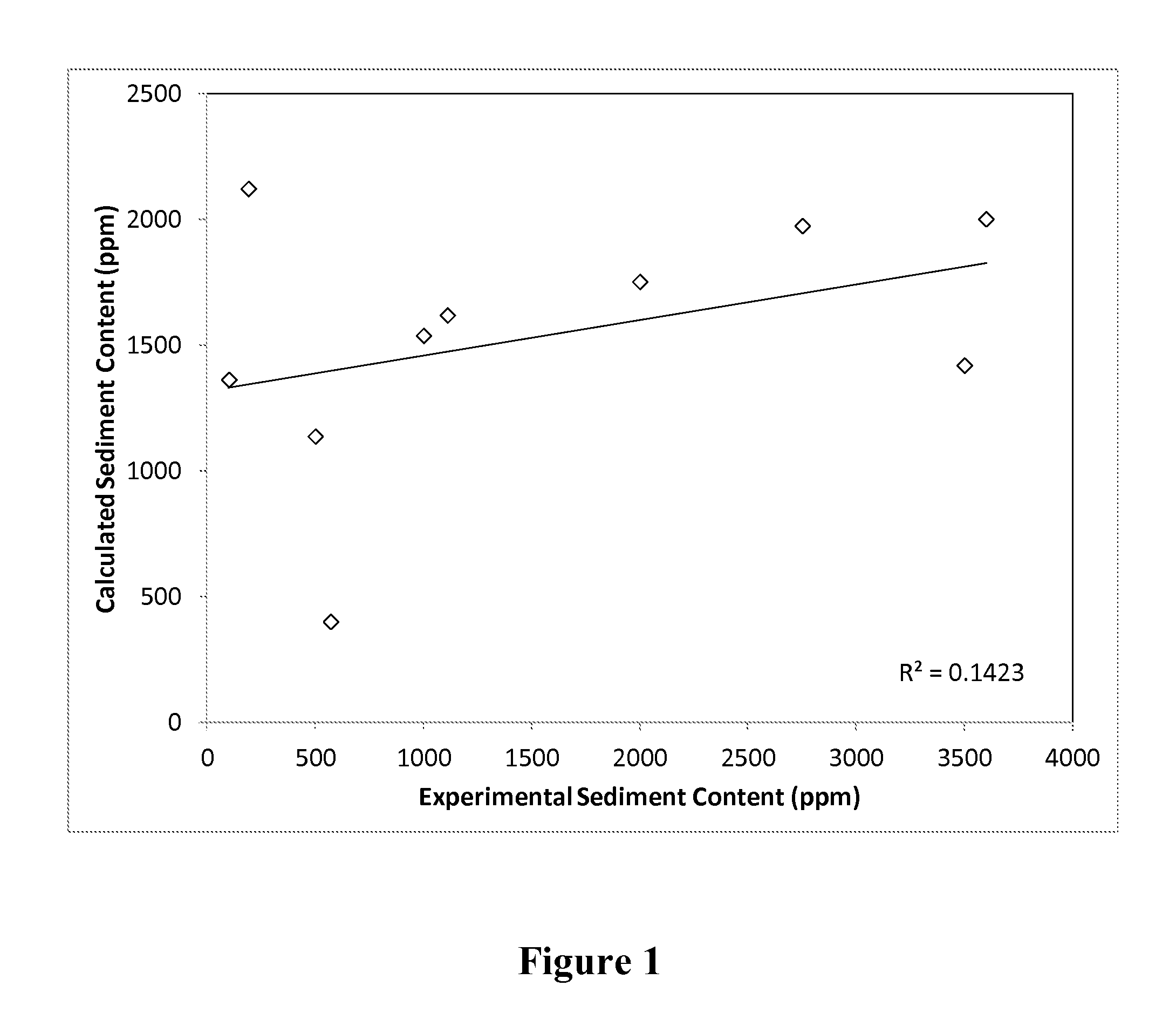
Figure 1 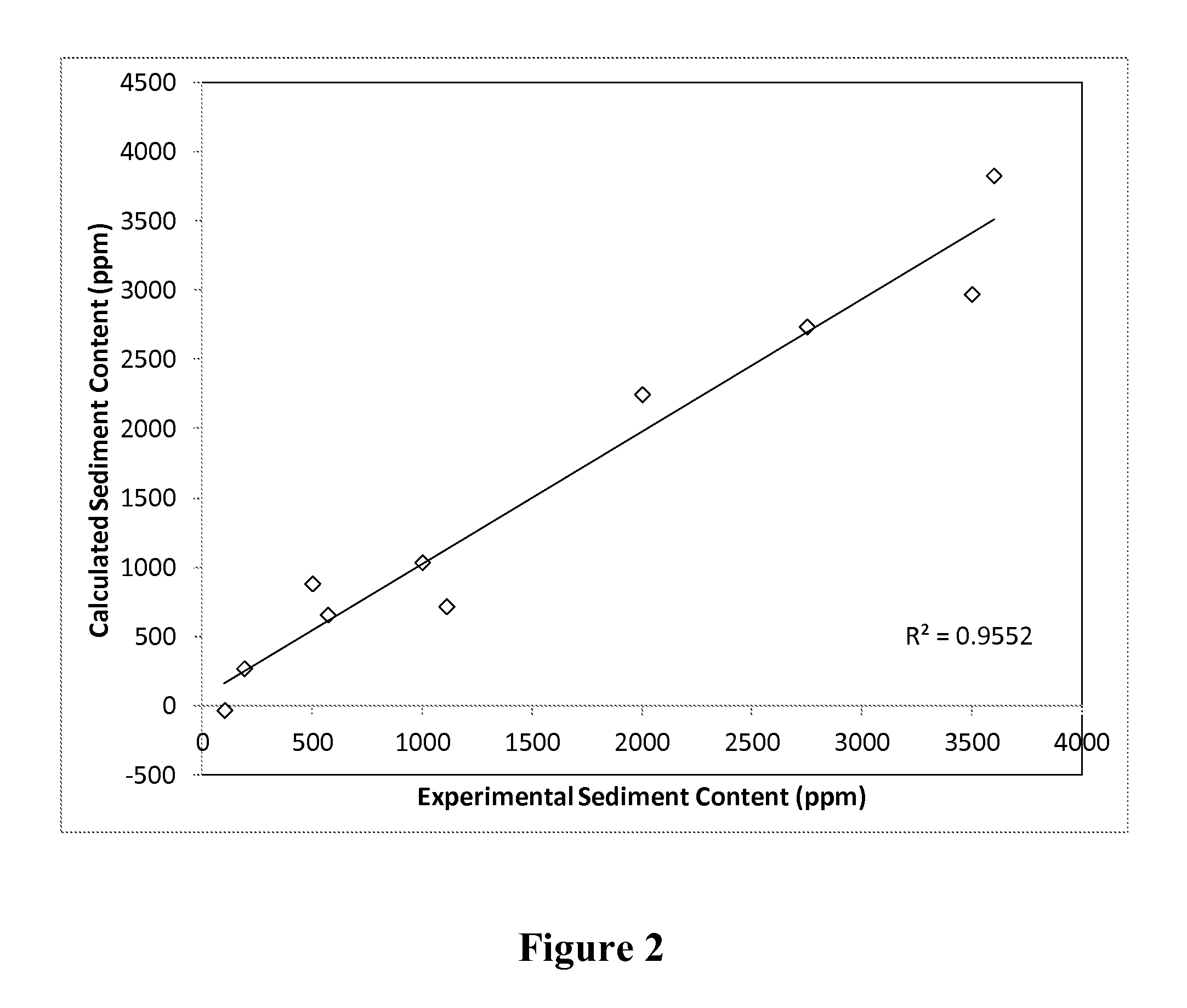
Figure 2 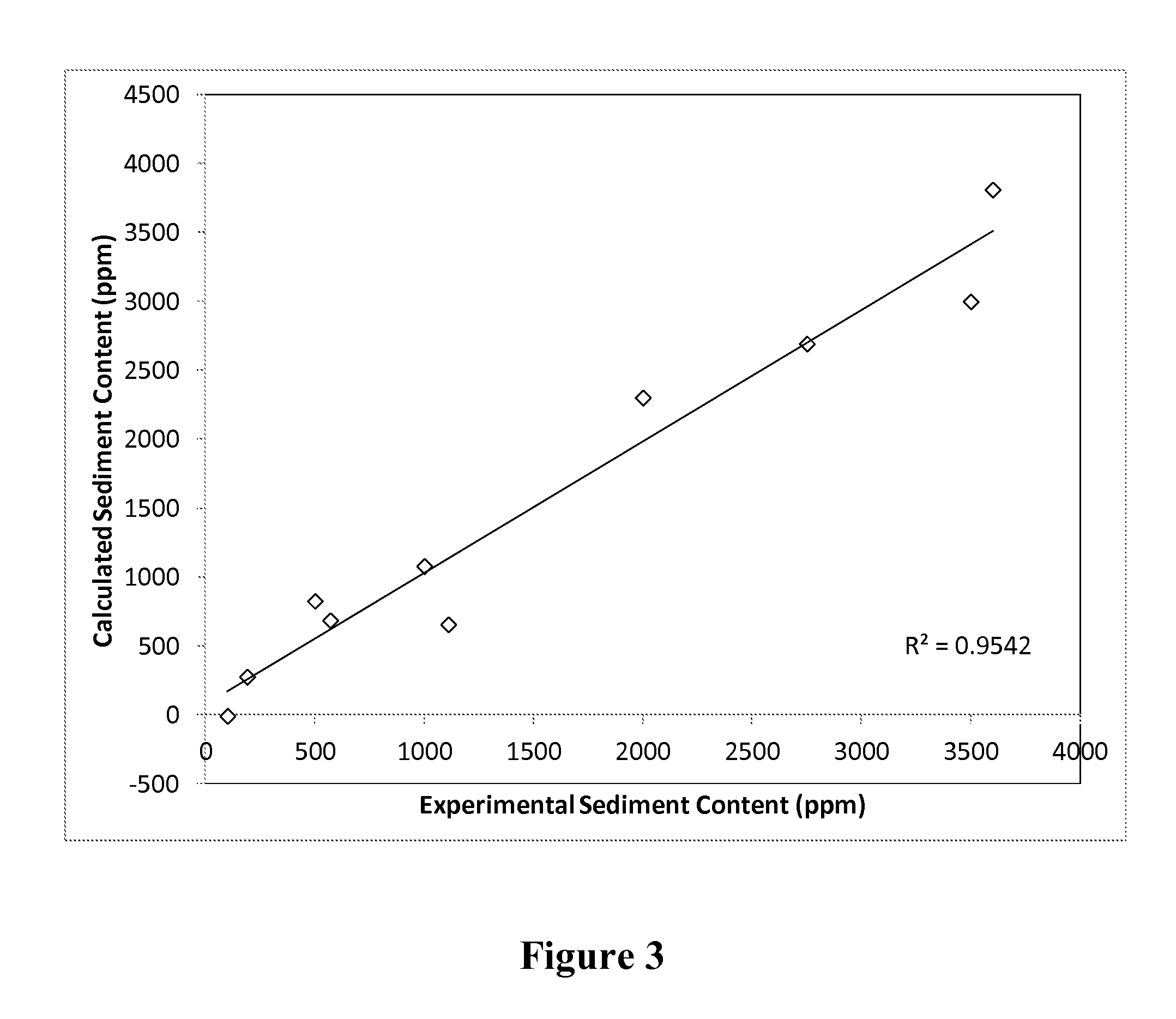
Figure 3
Abstract
Description
BACKGROUND OF THE INVENTION
[0001] 1. Technical Field
[0002] The present invention generally relates to a method for predicting sediment content of a hydroprocessed hydrocarbon product.
[0003] 2. Description of the Related Art
[0004] Presently, the petroleum industry relies more heavily on relatively high boiling feedstocks derived from materials such as coal, tar sands, oil-shale, and heavy crudes. These feedstocks generally contain significantly more undesirable components, especially from an environmental point of view. For example, such undesirable components include halides, metals and heteroatoms such as sulfur, nitrogen, and oxygen. Furthermore, specifications for fuels, lubricants, and chemical products, with respect to such undesirable components, are continually becoming stricter. Consequently, such feedstocks and product streams require more severe upgrading in order to reduce the content of such undesirable components. More severe upgrading, of course, adds considerably to the e...
Examples
example 1
[0122]Several different hydrocarbon-containing feedstocks were hydroprocessed in a pilot plant using the operation conditions set forth in Table 1. The sediment content of the hydroprocessed hydrocarbon products was then measured using ASTM 4870. First, solutions of the feedstocks were prepared by dissolving 0.1000 g of the material in 10 mL of methylene chloride. Then, the solutions were injected into a separate stainless steel column packed with poly(tetrafluoroethylene) (PTFE) using n-heptane as a mobile phase. The flow rate during the whole process was 4 mL / min. The maltenes (heptane solubles) eluted from the column as the first peak around 2 minutes after the injection.
[0123]The asphaltenes remained precipitated in the column and were fractionated according to their respective solubilities by switching the mobile phase in successive steps to solvents of increasing solubility parameters: (1) 10 minutes after the injection of the sample, the mobile phase was switched to a blend o...