

Electrode
a technology of electrochemical cells and electrodes, applied in the direction of electrolysis components, specific water treatment objectives, chemistry apparatus and processes, etc., can solve the problems of time-consuming dsas formation, inconvenient process for making dsas, and limited dsas to catalytic materials, etc., to achieve simple and fast technique
Patent Information
- Authority / Receiving Office
- US · United States
- Patent Type
- Applications(United States)
- Current Assignee / Owner
- Publication Date
- 2019-06-13
Smart Images
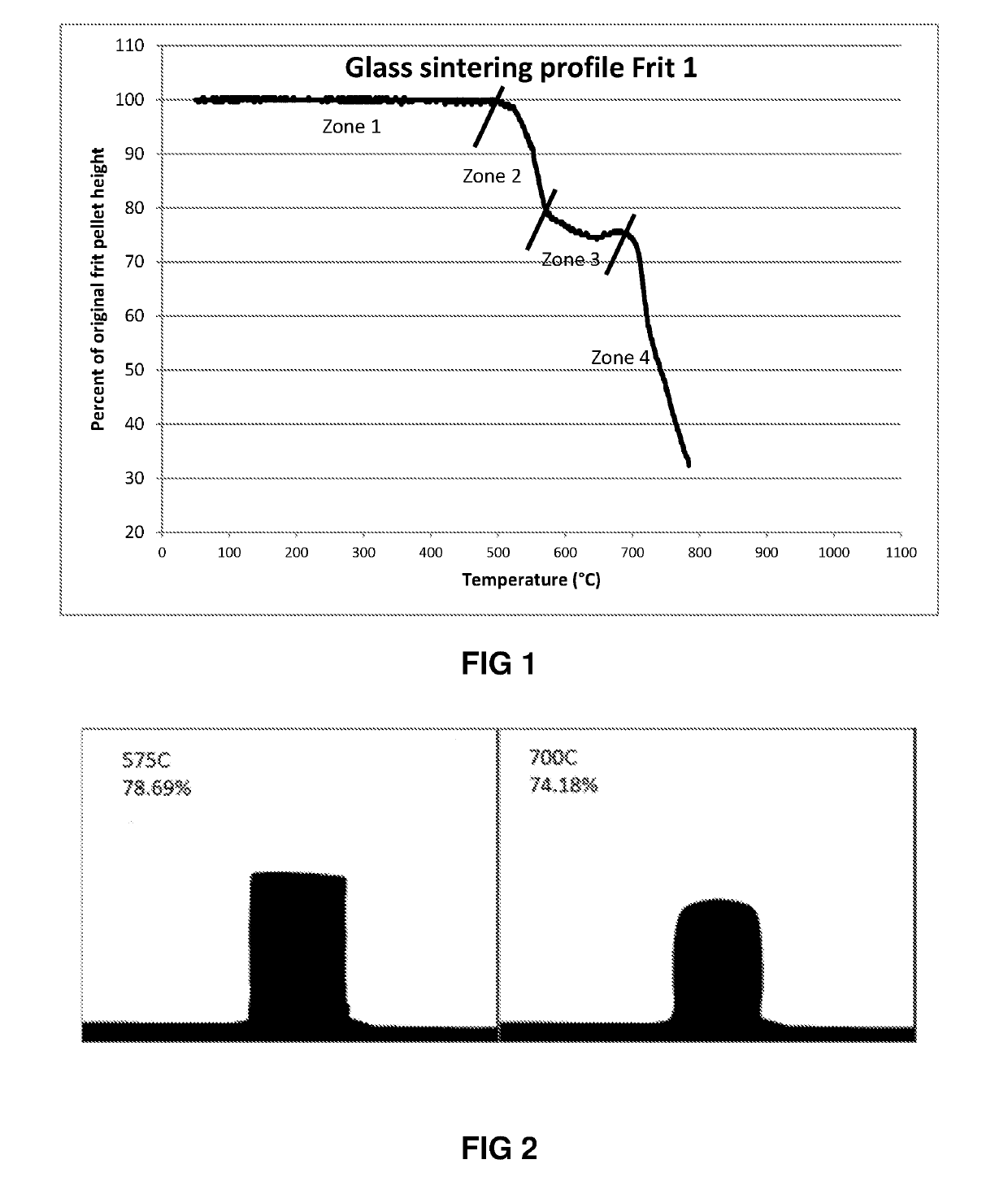
Figure 1 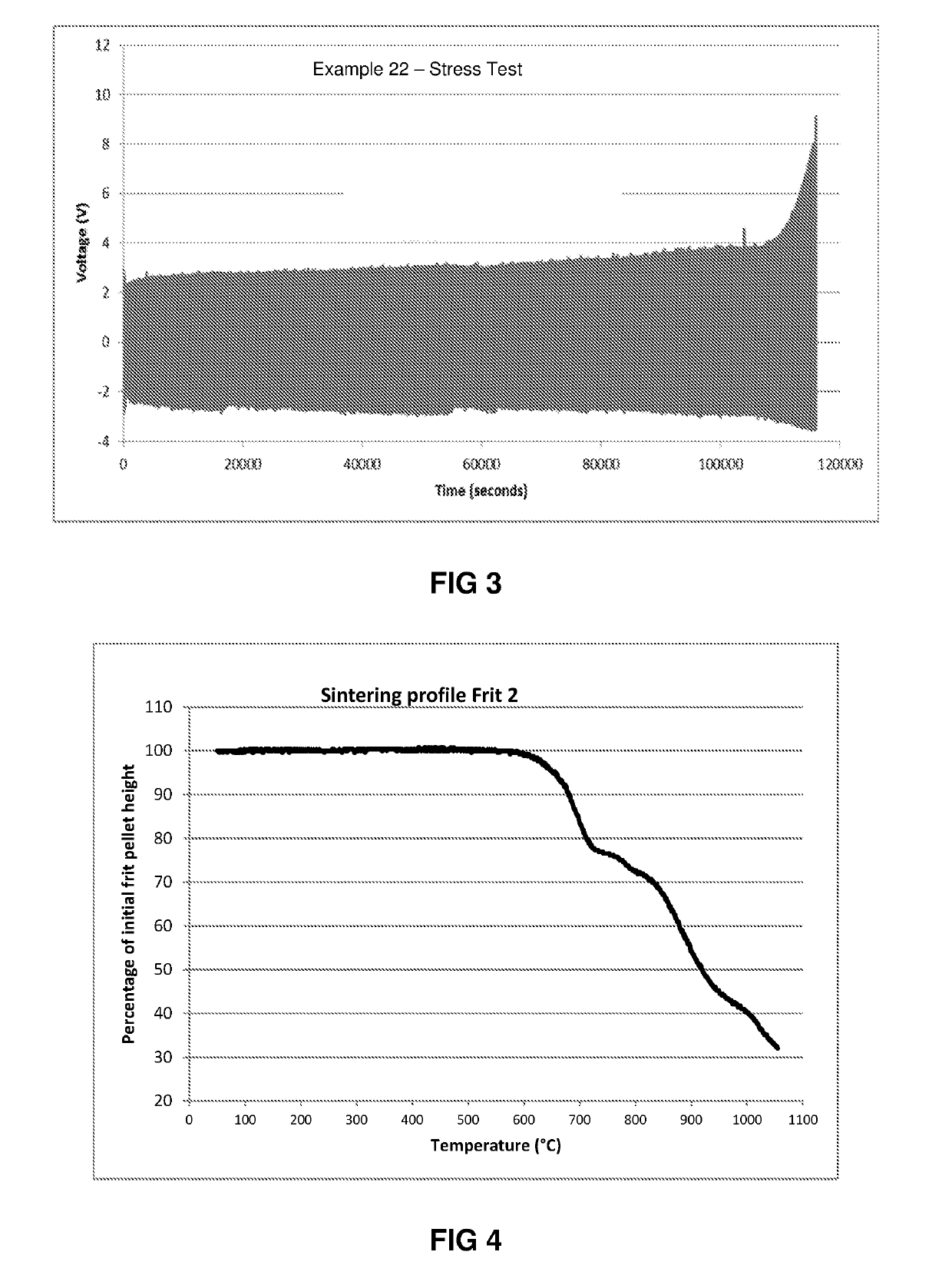
Figure 2 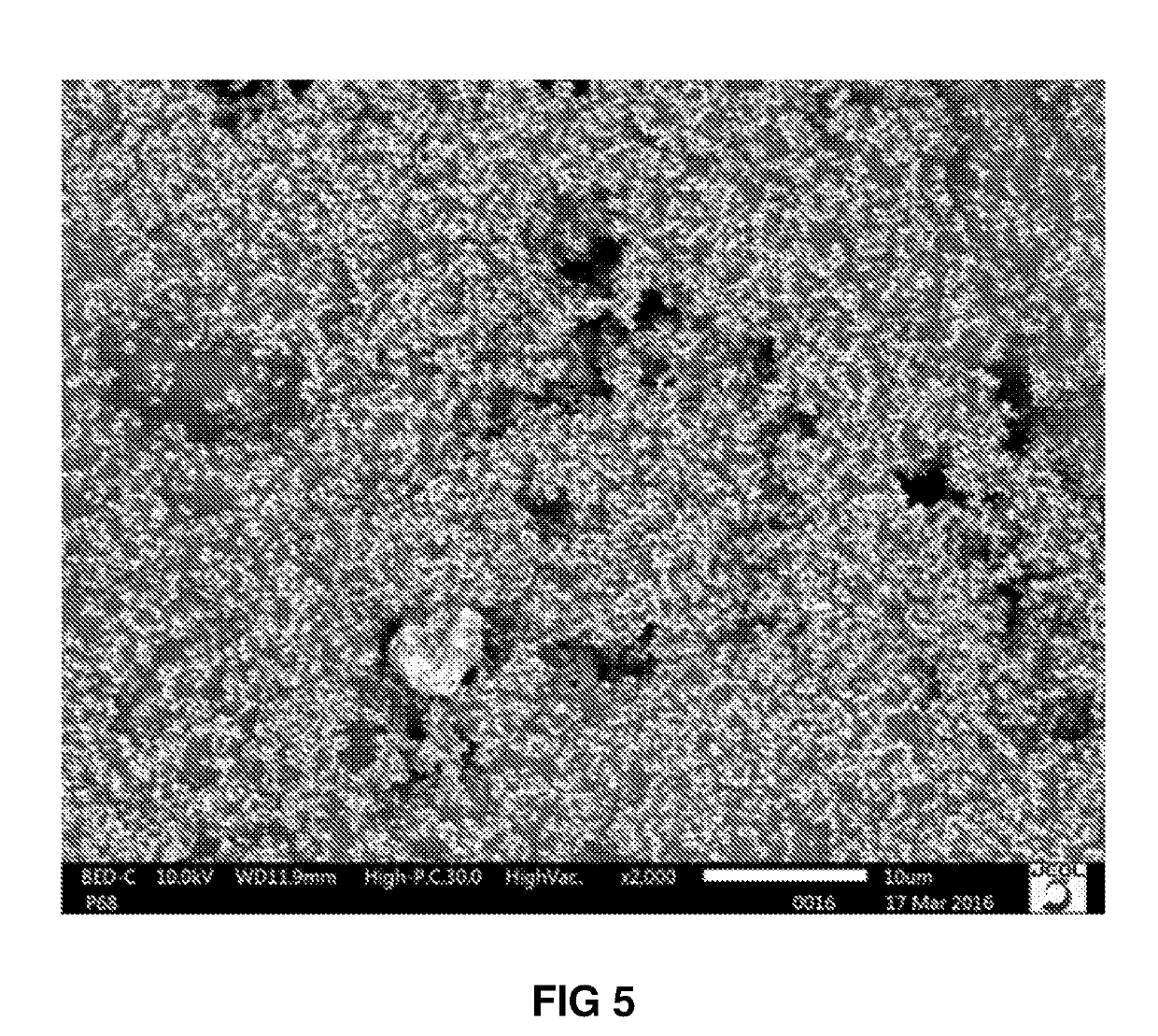
Figure 3
Abstract
Description
FIELD OF THE INVENTION
[0001] The present invention relates to electrodes for electrochemical cells which are particularly useful in electrolytic reactions, e.g. in electrochlorination for the disinfection of water. The present invention also provides methods for making electrodes and electrochemical cells, and the uses of electrodes and electrochemical cells.BACKGROUND OF THE INVENTION
[0002] Electrochemical water treatment is an effective means for disinfecting water. Applications include the disinfection of drinking water, swimming pool water and industrial cooling water.
[0003] In electrochemical water treatment, electrodes (at least one anode and one cathode) are contacted with the water to be treated. A DC current is applied between the two electrodes, leading to the electrolysis of the water. In water with low concentrations of dissolved ions or other impurities, the main current-consuming electrochemical reactions are as follows.
[0004] At the anode, the main product is oxygen:H2O→2...
Examples
examples
Frit 1
Electrode Formulation Paste
[0064]Frit 1 is a borosilicate glass with a composition shown in Table 1 below:
TABLE 1Theoretical Composition (mol %) of Frit 1Metal oxideMol %SiO253.82Li2O6.74B2O313.67TiO24.63Na2O10.92ZnO5.38F1.9ZrO21.25CaO1.05V2O50.46Ce2O30.17
[0065]The theoretical composition of the glass is the composition (on an oxide basis) calculated based on the starting materials used to prepare the glass.
[0066]The glass has a CTE which is closely matched to that of the titanium metal used as the substrate (82-87×10−7 / ° C.) as this helps to prevent thermally induced stresses during heating and cooling during the firing process that could lead to cracking of the electrode material layer.
[0067]The electrode formulation paste was prepared by mixing RuO2 with Frit 1 and suspending the mixture in organic medium. The medium used was 733-63 medium, which can be obtained from Zimmer & Schwarz, Germany. The mixture was then mixed using zirconia milling beads in a Synergy Devices Ltd....