
Nonaqueous electrolyte secondary battery and manufacturing method thereof
a technology of nonaqueous electrolyte and secondary batteries, which is applied in the manufacturing process of electrodes, cell components, electrochemical generators, etc., can solve problems such as capacity deterioration, and achieve the effect of suppressing the effect of high capacity deterioration
Patent Information
- Authority / Receiving Office
- US · United States
- Patent Type
- Applications(United States)
- Current Assignee / Owner
- Publication Date
- 2022-09-15
Smart Images
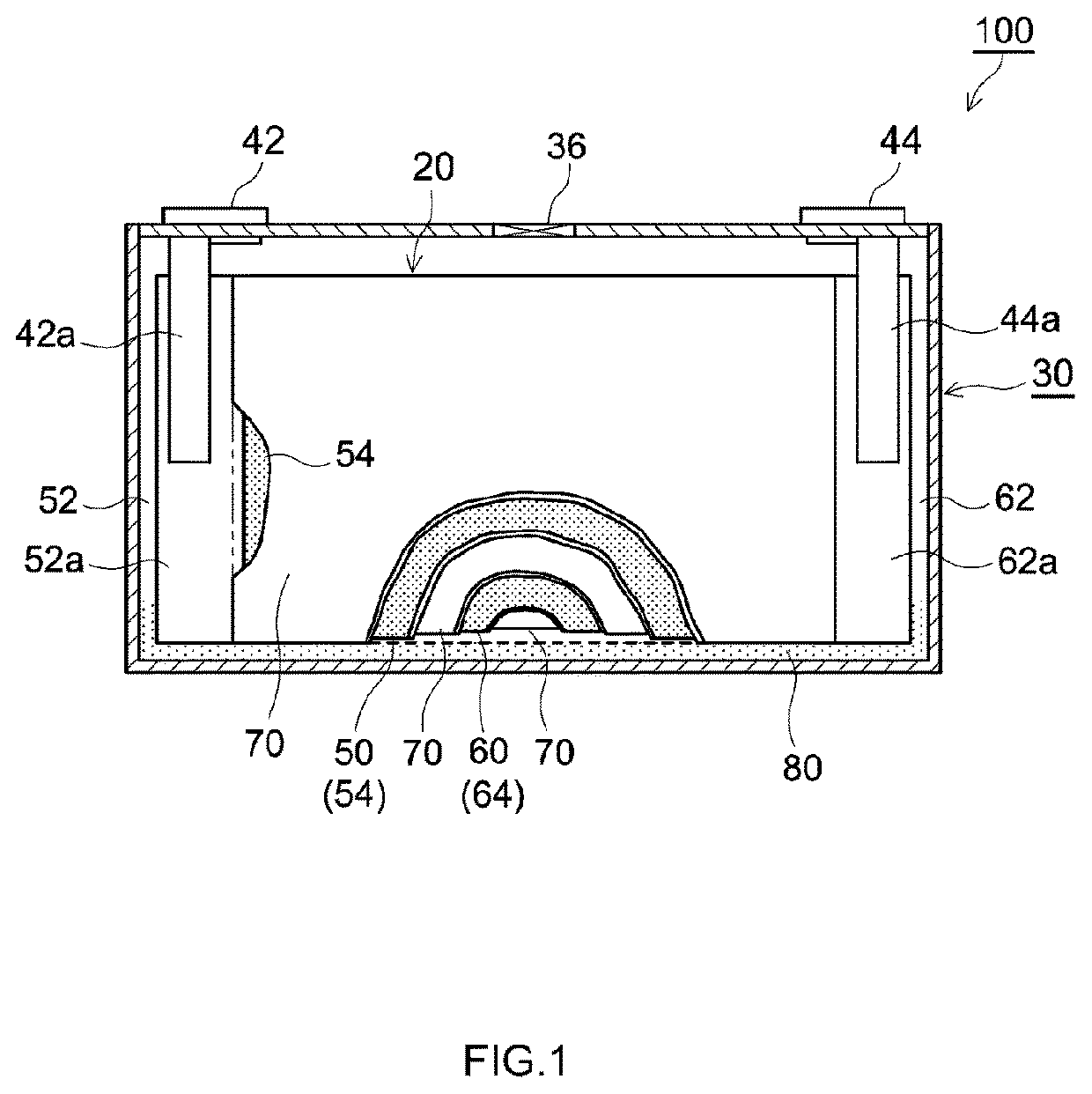
Figure 1 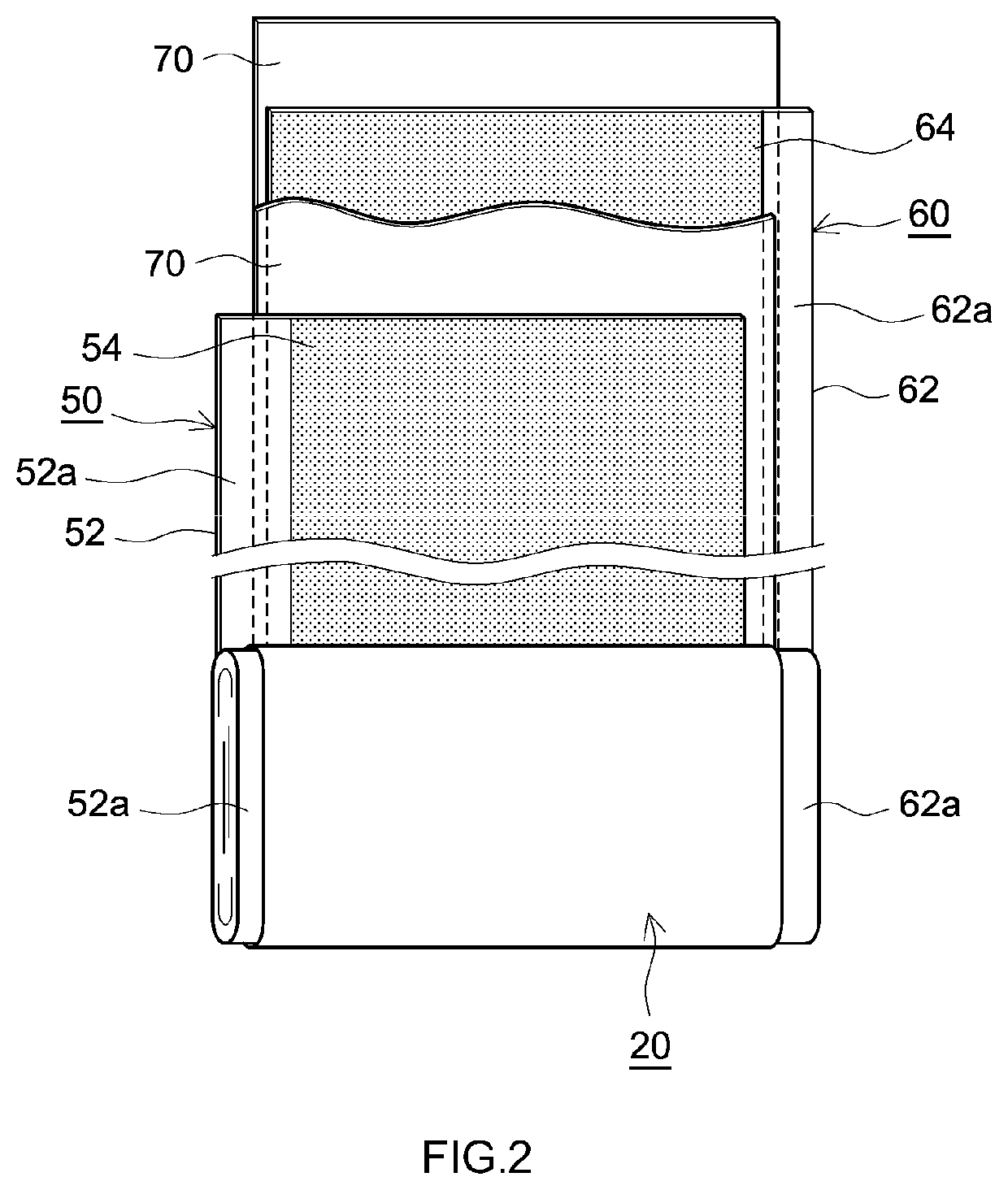
Figure 2 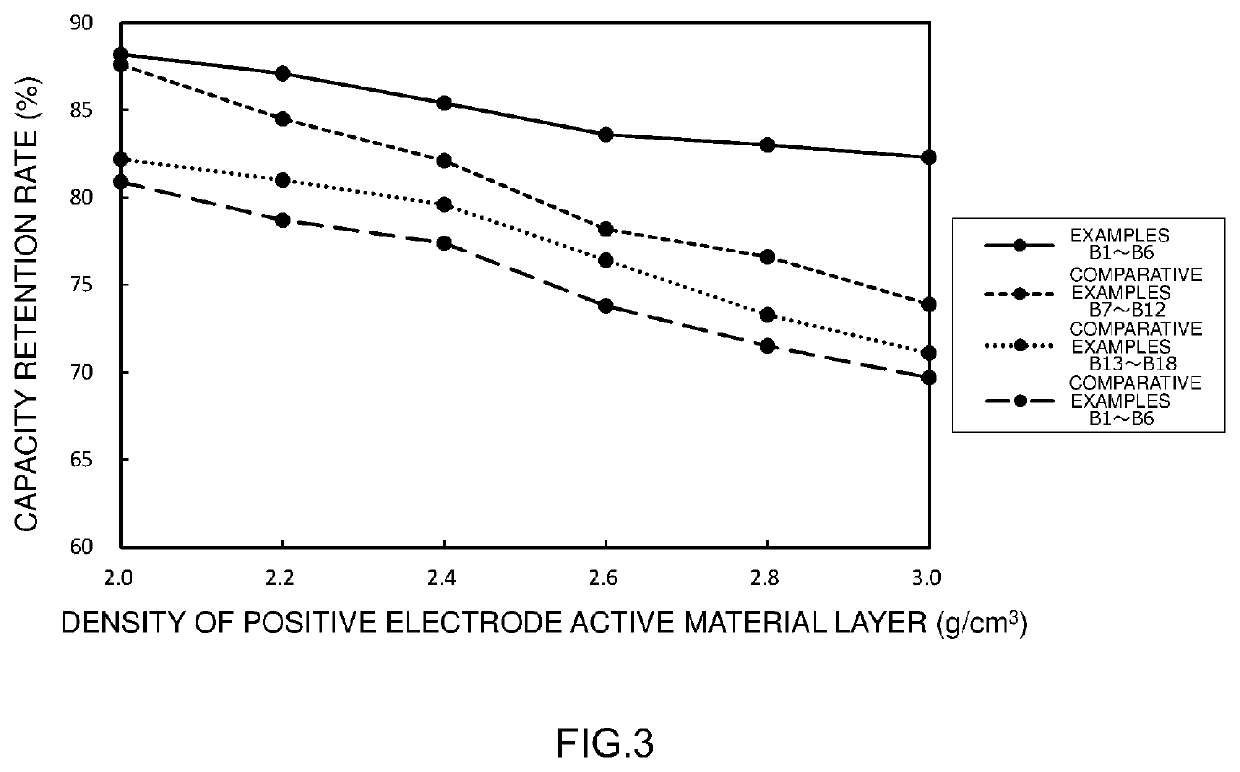
Figure 3
Abstract
Description
BACKGROUND OF THE INVENTION1. Field of the Invention
[0001] The present disclosure relates to a nonaqueous electrolyte secondary battery. The present disclosure also relates to a method for manufacturing the nonaqueous electrolyte secondary battery. The present application claims priority based on Japanese Patent Application No. 2021-041391 filed on Mar. 15, 2021, the entire contents of which are incorporated by reference in the present specification.2. Description of the Related Art
[0002] In recent years, a nonaqueous electrolyte secondary battery such as a lithium ion secondary battery is desirably used for a portable power supply for a personal computer, a portable terminal, or the like; power supply for driving a vehicle such as a battery electric vehicle (BEV), a hybrid electric vehicle (HEV), or a plug-in hybrid electric vehicle (PHEV); or the like.
[0003] For a nonaqueous electrolyte secondary battery, generally, an active material capable of occluding and releasing ions serving a...
Examples
examples a1 to a3
[0095]Lithium manganese oxide particles A (LMO-A), carbon black (CB) as a conductive material, and polyvinylidene fluoride (PVDF) as a binder were mixed at mass ratios of LMO-A:CB:PVDF=94:4:2 in N-methyl-2-pyrrolidone (NMP). At this step, Li3PO4 was further mixed in an amount of 0.5 mass % based on the amount of the lithium manganese oxide particles, thereby preparing a paste for forming a positive electrode active material layer. It should be noted that the average particle diameter (median diameter D50) of Li3PO4 used was 2.1 μm.
[0096]The paste for forming a positive electrode active material layer was coated on aluminum foil, and dried, and then a roll press treatment (i.e., densification treatment) was performed, thereby preparing a positive electrode sheet. The roll press treatment was performed so that the density of the positive electrode active material layer became 2.6 g / cm3. The press treatment caused cracking in the lithium manganese oxide particles A. The positive electr...
examples b1 to b6
[0116]Respective positive electrode sheets were prepared in the same manner as in Example A1. Each positive electrode sheet was subjected to a roll press treatment so that the densities of the positive electrode active material layers became 2.0 g / cm3 (B1), 2.2 g / cm3 (B2), 2.4 g / cm3 (B3), 2.6 g / cm3 (B4), 2.8 g / cm3 (B5), or 3.0 g / cm3 (B6), respectively. Each positive electrode sheet was cut into dimensions of 120 mm×100 mm.
[0117]A battery assembly was prepared using the cut positive electrode sheet in the same manner as in Example A1. The battery assembly was subjected to constant current charging up to 4.7 V at a current value of 0.1 C as the initial charging treatment. Then, constant voltage charging was performed for 3 hours, thereby carrying out initial charging. Subsequently, constant current discharging was performed to 3.0 V at a current value of 0.1 C, resulting in each evaluating lithium ion secondary battery of Examples B1 to B6.