
Method and apparatus for producing large uniform thickness nanomaterial sheets
Patent Information
- Authority / Receiving Office
- US · United States
- Current Assignee / Owner
- Publication Date
- 2018-02-27
Smart Images
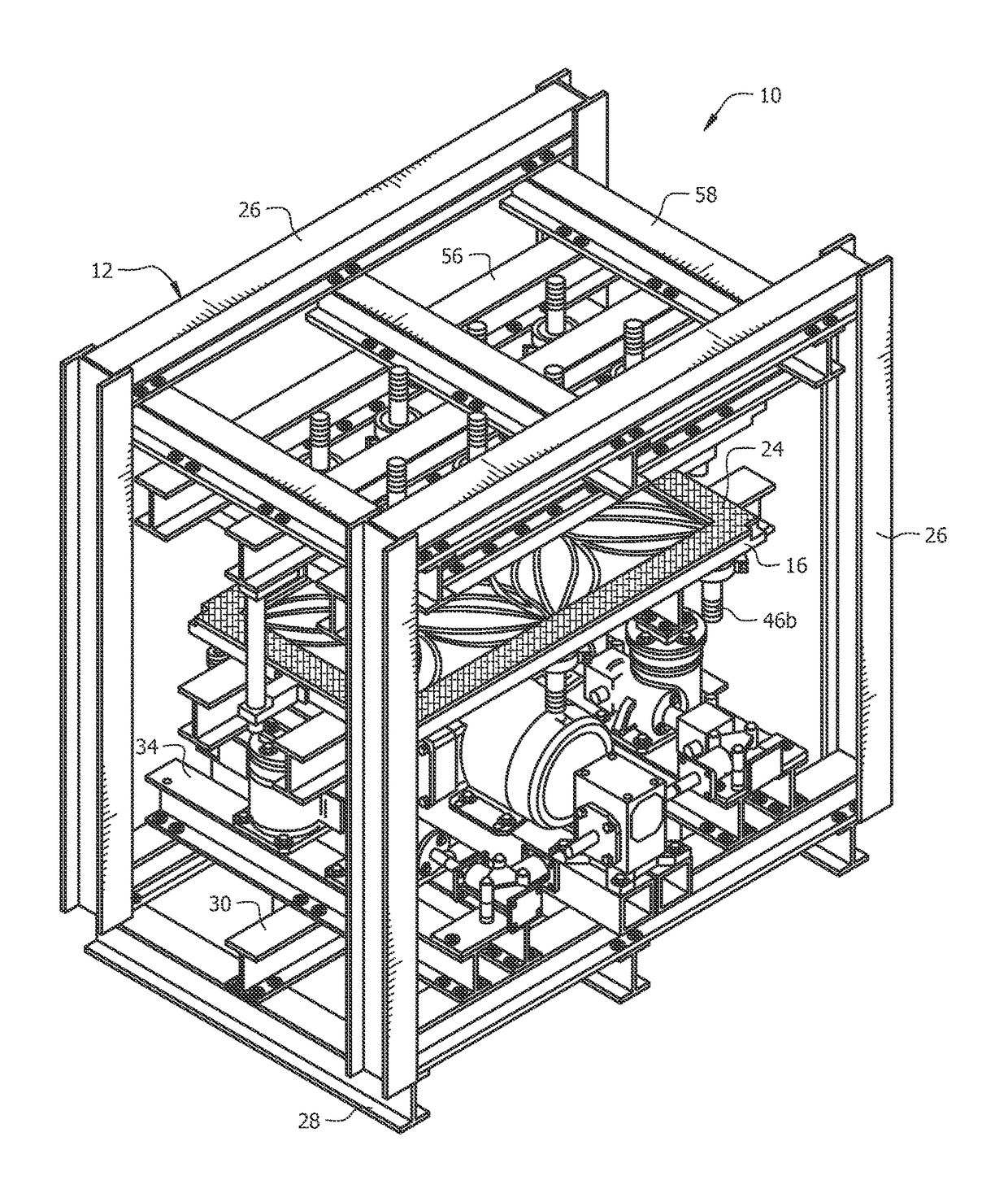
Figure 1 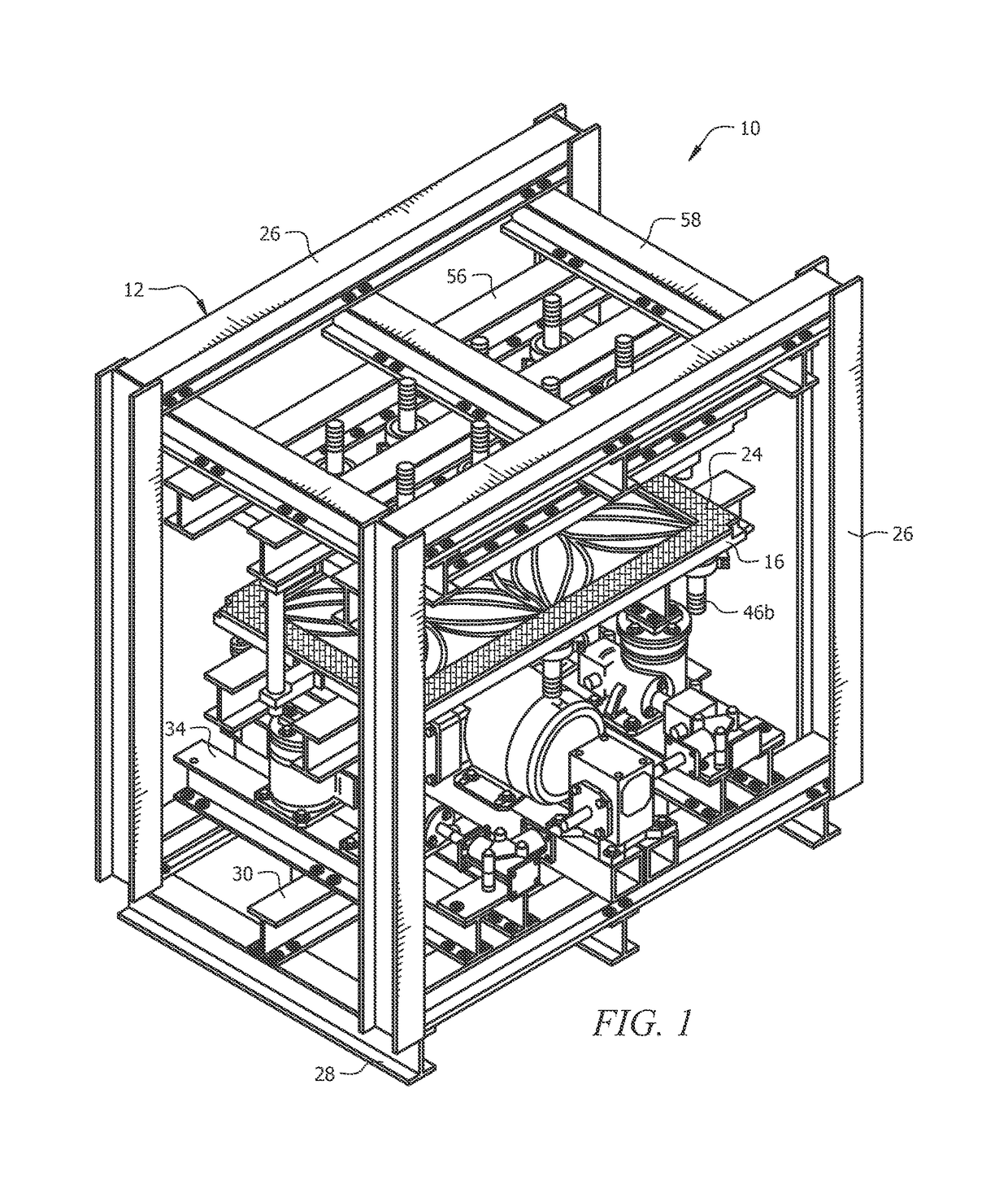
Figure 2 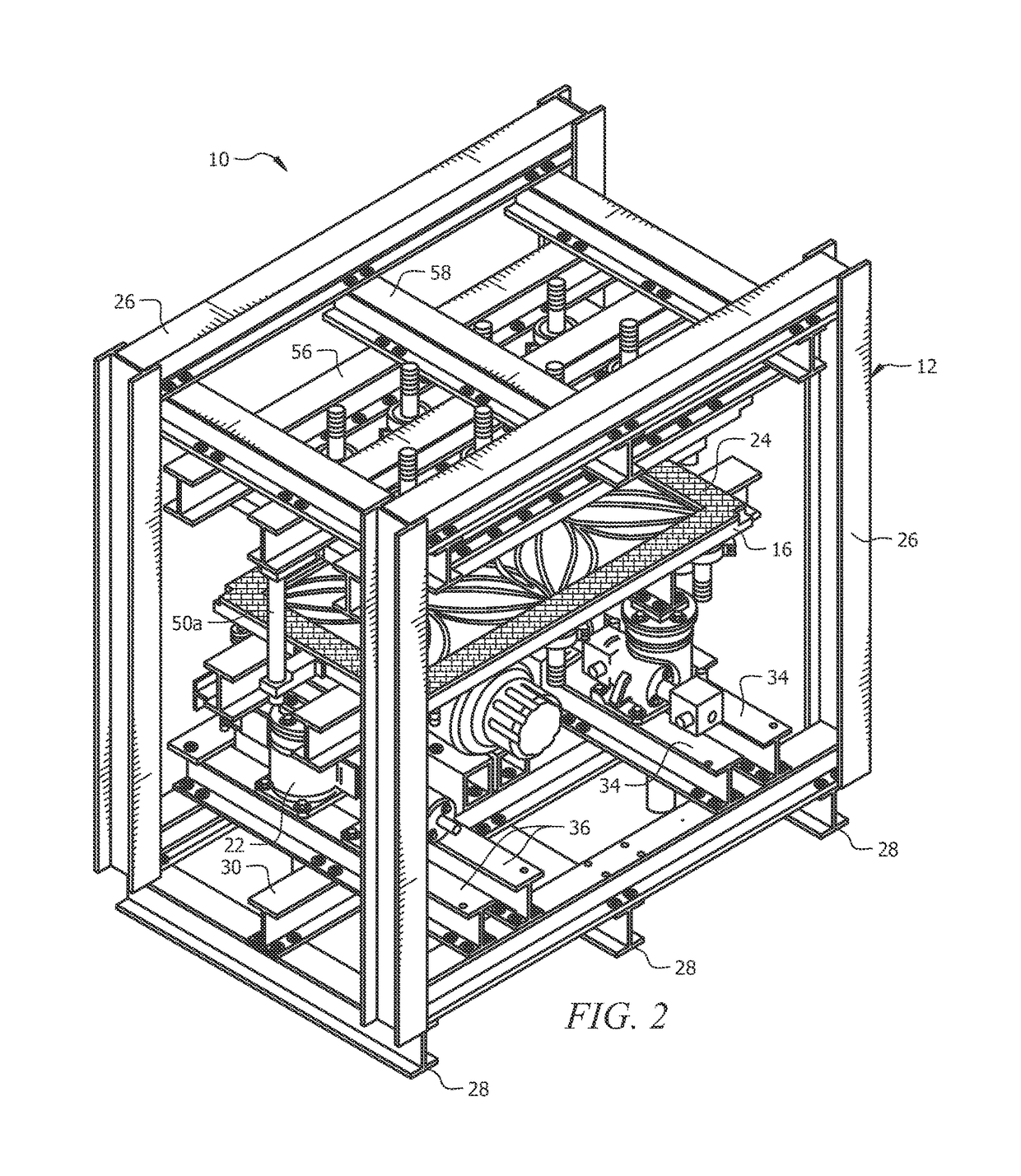
Figure 3
Abstract
Description
BACKGROUND OF THE INVENTION1. Field of the Invention
[0001] This invention relates to the fabrication of large uniform thickness sheets of nanomaterials, including micro-fibrillated cellulose, nano-crystalline cellulose, carbon fibers, nanotubes, nanofibers, and nanoparticles of other sources including but not limited to graphene, boron nitride nanotubes, quantum dots, fullerenes, and the like.2. Description of the Prior Art
[0002] Nanomaterials can possess much greater strength, conductivity, surface area, and other attractive properties at a much lower weight than standard engineering materials such as wood, metals, plastics, and the like.
[0003] It is difficult to produce large, freestanding sheets of such materials with high levels of purity and nanomaterial content. Conventional manufacturing processes such as solvent casting, vapor deposition and the like require the use of additives, binders, surfactants and adhesives which reduce the purity and nanomaterial content, and thereby re...
Examples
Embodiment Construction
[0058]Structure 10 depicted in FIGS. 1-7 is a preferred structure. The front and rear perspective views of FIGS. 1 and 2 disclose frame 12 to which the various parts are mounted but those parts are best seen in the exploded view of FIG. 7. Upper platen 14, lower platen 16, fine filter media 18, nanoparticles 20, jack screws 22, gasket 24 and the other main elements of the invention can be connected to one another in many different ways and on differing frames and not just in the specific ways on the particular frame depicted.
[0059]Referring therefore to FIG. 7, there it will be seen that structural side frames 26, 26 are rectangular in this preferred embodiment and are positioned parallel to one another in respective vertical planes. They are longitudinally disposed as drawn relative to transversely disposed, equidistantly spaced apart I-beams, collectively denoted 28, that form the foundation of novel batch-automated microfiltration press 10 and which overlie a floor, a table top, ...