Backboard of solar battery with seven-layer structure

A solar cell and layer structure technology, which is applied in the direction of circuits, photovoltaic power generation, electrical components, etc., can solve the problems of fluoroplastic layer peeling, low bonding strength, and backplane loss of weather resistance, so as to improve reliability and enhance bonding Strength, the effect of improving the bond strength

CN101916789AActive Publication Date: 2010-12-15SHANGHAI HIUV NEW MATERIALS
5 Cites 20 Cited by

Patent Information

Authority / Receiving Office
CN · China
Patent Type
Applications(China)
Current Assignee / Owner
Publication Date
2010-12-15

Smart Images

  • Figure 1
    Figure 1
  • Figure 2
    Figure 2
  • Figure 3
    Figure 3
Patent Text Reader

Abstract

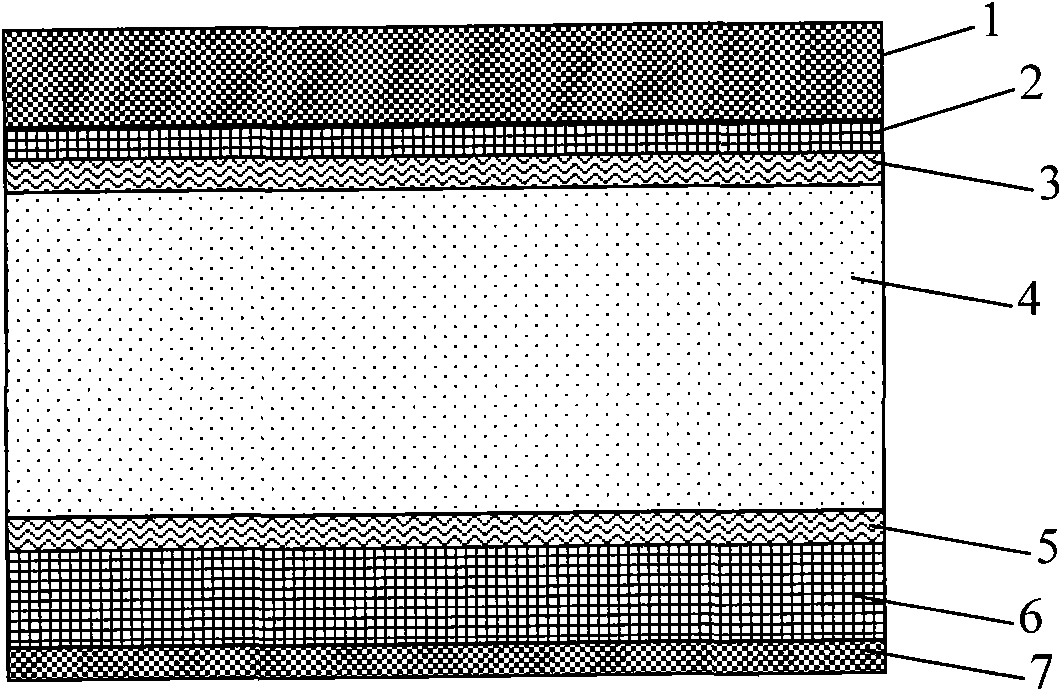
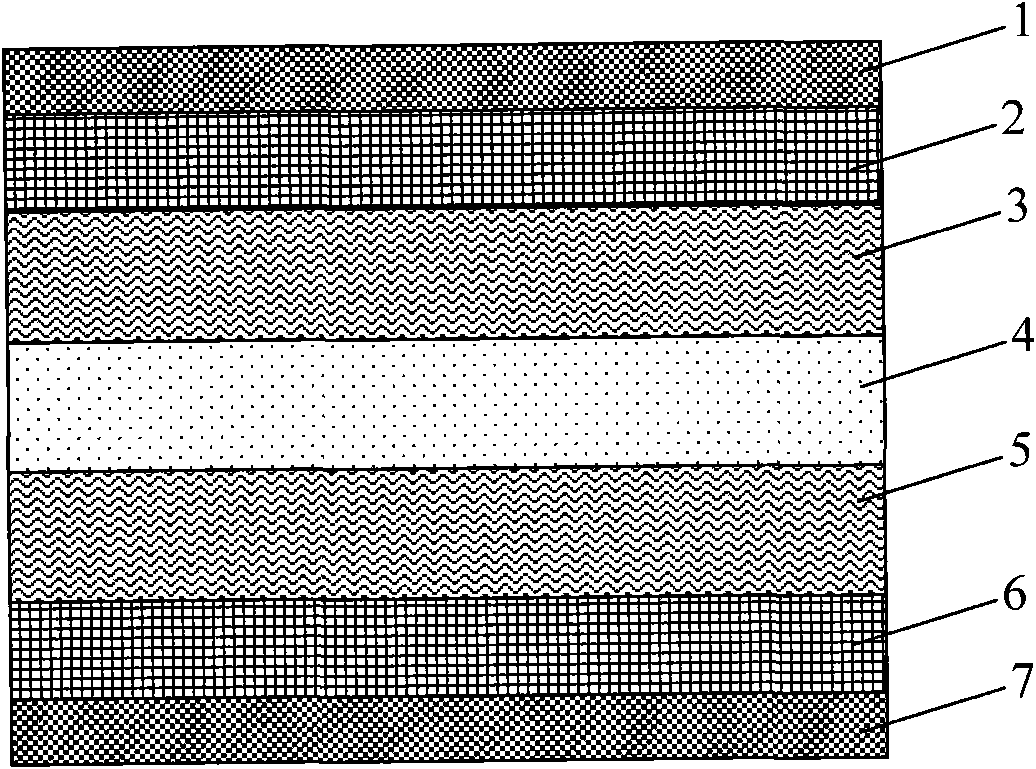
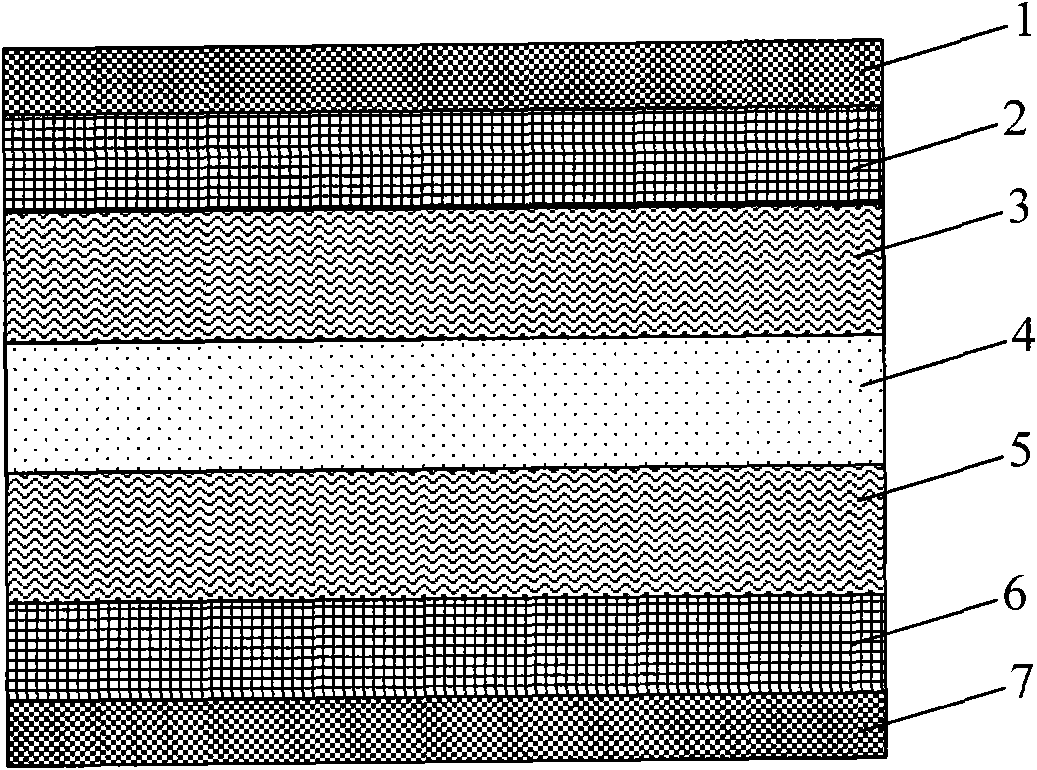
The invention relates to a backboard of a solar battery with a seven-layer structure, which comprises a first fluoroplastic weather-resistant layer, a first transition layer, a first bonding layer, a structure enhancing layer, a second bonding layer, a second transition layer and a second fluoroplastic weather-resistant layer. The first fluoroplastic weather-resistant layer is attached to the first transition layer; the first transition layer is bonded with the structure enhancing layer through the first bonding layer; the structure enhancing layer is bonded with the second transition layer through the second bonding layer; the second transition layer is attached to the second fluoroplastic weather-resistant layer; and more preferably, the first transition layer and the second transition layer are polymer layers containing crylic acid or esters thereof or alloy layers made from polymer containing crylic acid or esters thereof and fluoroplastic containing vinylidene fluoride groups. The invention has two transition layers perfectly compatible with the fluoroplastic, which greatly enhances the bonding strength of the fluoroplastic and the structure enhancing layer and improves the reliability of the backboard of the solar battery, being remarkably significant to the solar energy industry.
Need to check novelty before this filing date? Find Prior Art

Description

technical field

[0001] The present invention relates to the technical field of solar cells, in particular to the technical field of solar cell back panels, and specifically refers to a solar cell back panel with a seven-layer structure. Background technique

[0002] Nowadays, solar cells have been widely used, and the backplane of solar cells is one of the most important packaging materials. The reliability of solar cells depends heavily on the reliability of the backsheet.

[0003] At present, the back sheets of commonly used solar cells all use fluoroplastics as the outermost weather-resistant layer. The most common fluoroplastic used in backsheets is polyvinyl fluoride (PVF), the most important manufacturer of which is DuPont. The trade name of DuPont's commercialized PVF film is Tedlar film. The most common backsheets have two structures: TPT and TPE, where T refers to DuPont's Tedlar film, that is, PVF film. P refers to a polyethylene terephthalate (PET) film, and E...

Examples

Embodiment Construction

[0026] In order to understand the technical content of the present invention more clearly, the following examples are given in detail. In this case, the same components are provided with the same reference numerals.

[0027] See figure 1 and figure 2 As shown, the solar battery back sheet of the seven-layer structure of the present invention includes a first fluoroplastic weather-resistant layer 1, a first transition layer 2, a first adhesive layer 3, a structural reinforcement layer 4, and a second adhesive layer from top to bottom. Layer 5, the second transition layer 6 and the second fluoroplastic weather-resistant layer 7, the first fluoroplastic weather-resistant layer 1 is attached to the first transition layer 2, and the first transition layer 2 is bonded by the first Layer 3 is bonded to the structural reinforcement layer 4, and the structural reinforcement layer 4 is bonded to the second transition layer 6 through the second adhesive layer 5, and the second transit...