
Analytical model method for current conversion ratio and phase difference of open-type current transformer
A technology of current transformers and analytical models, applied to the phase angle between voltage and current, measuring electrical variables, instruments, etc., can solve problems such as incompatibility, waste, and measurement errors
- Summary
- Abstract
- Description
- Claims
- Application Information
AI Technical Summary
Problems solved by technology
Method used
Image

Examples
example
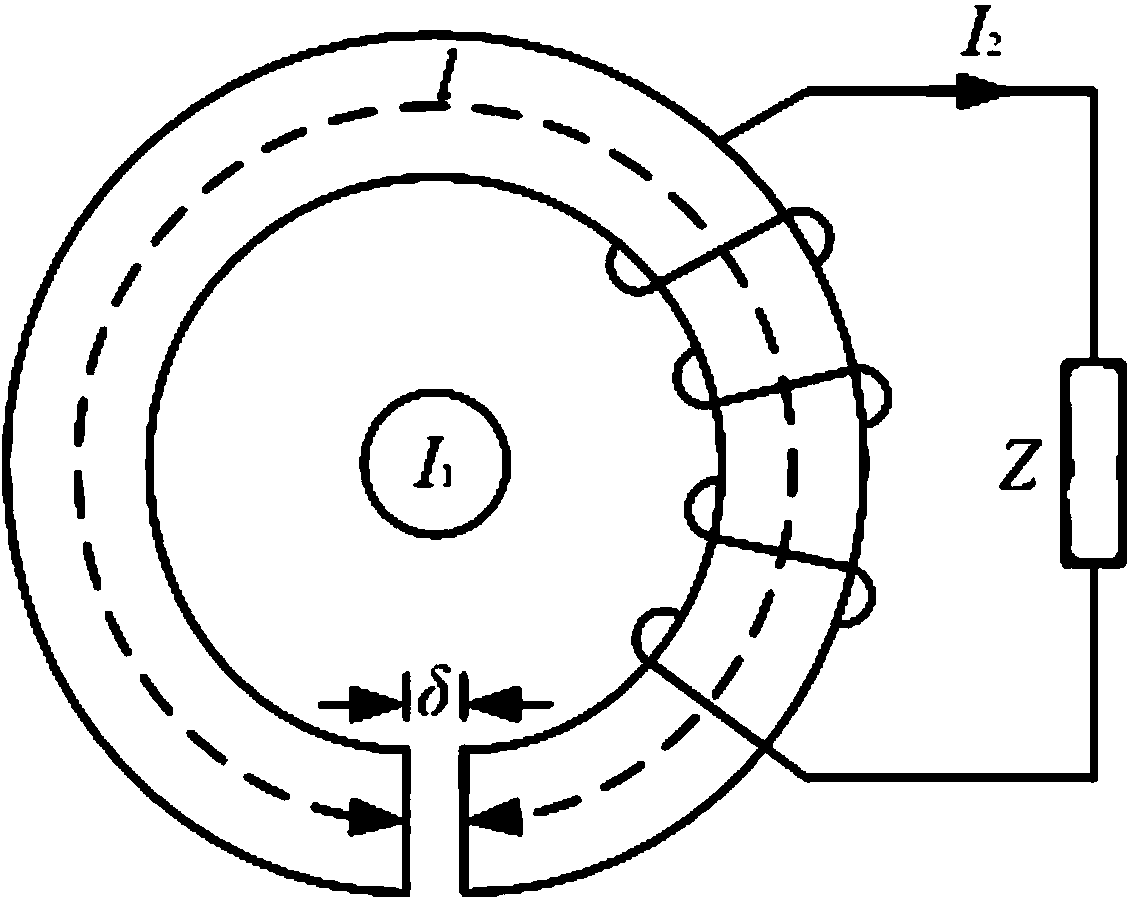
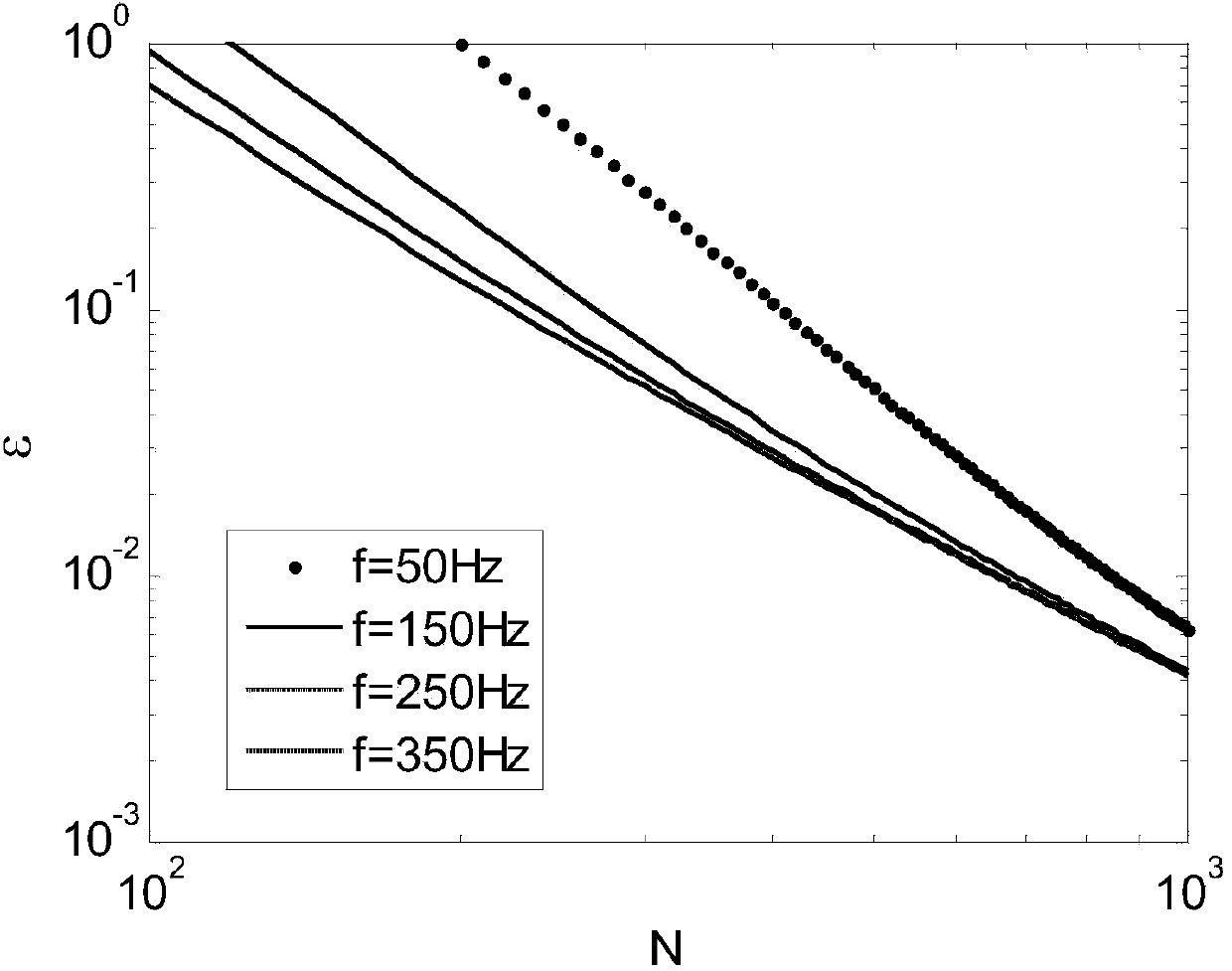
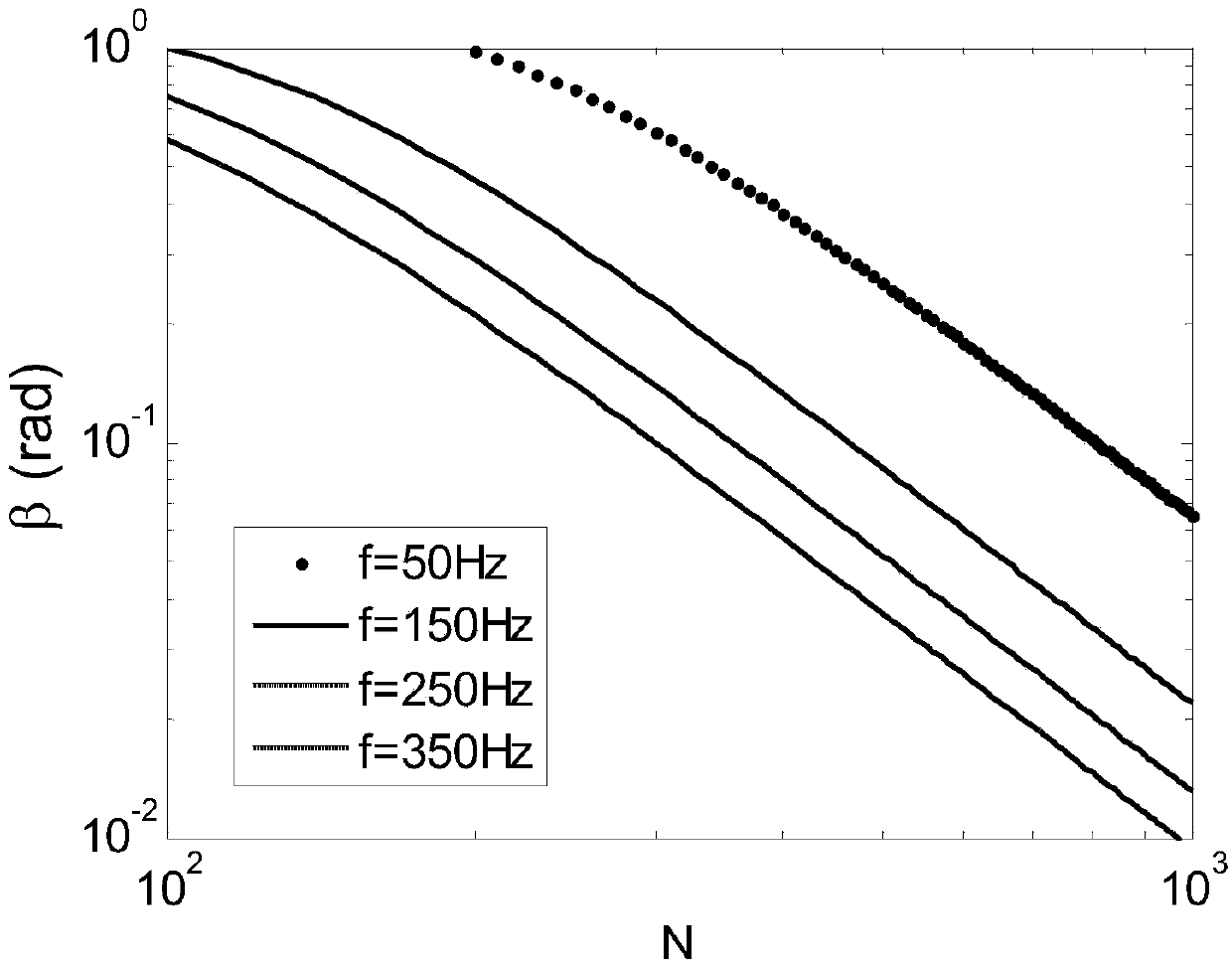
[0065] In order to further quantify and more intuitively display the analytical model of the open-type current transformer established in this patent application, the main working characteristics of the open-type current transformer considering the secondary load are discussed in conjunction with a specific embodiment. The relative difference between the actual current ratio of the open-type current transformer and the ideal current transformer current ratio is defined as:
[0066] ϵ = 1 αN - 1 = [ 1 + L N ...
PUM
 Login to View More
 Abstract
Description
Claims
Application Information
 Login to View More