
Cross-media Retrieval Method Based on Visual Features and Semantic Features
A technology of visual features and semantic features, applied in the field of cross-media retrieval, can solve problems such as errors, high labor intensity, and affecting work efficiency
Patent Information
- Authority / Receiving Office
- CN · China
- Patent Type
- Patents(China)
- Current Assignee / Owner
- Publication Date
- 2019-07-26
Smart Images
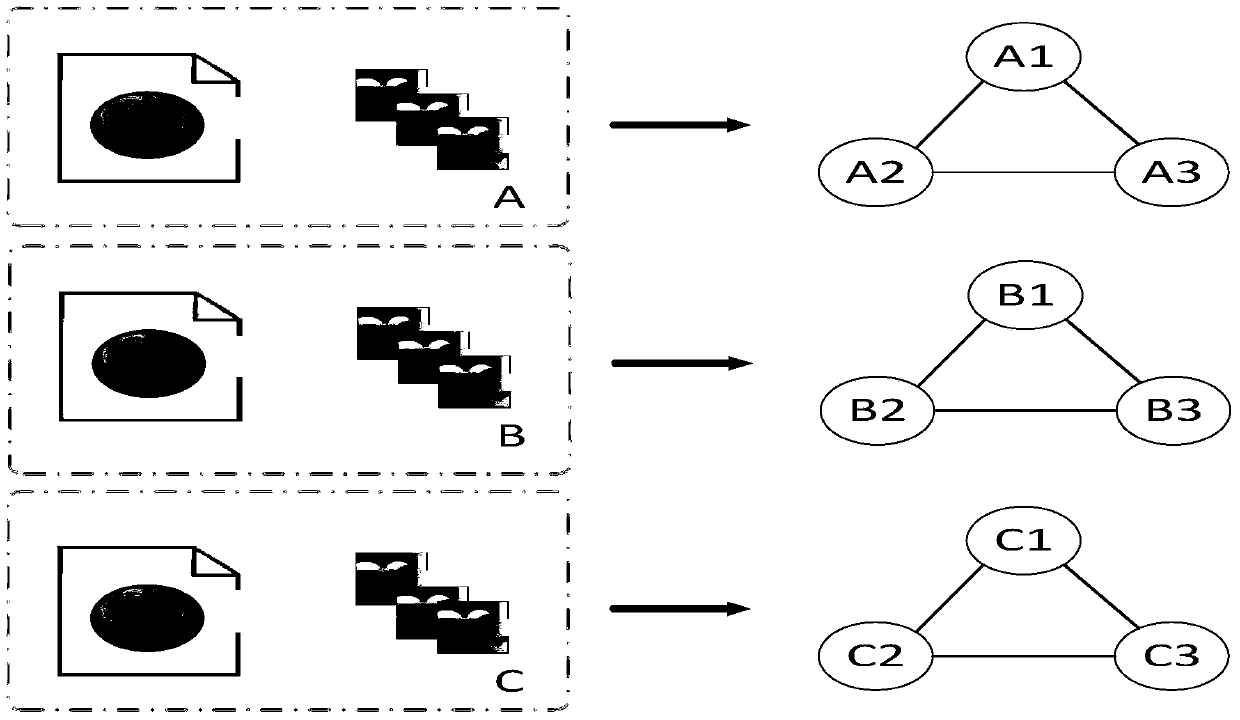
Figure 1 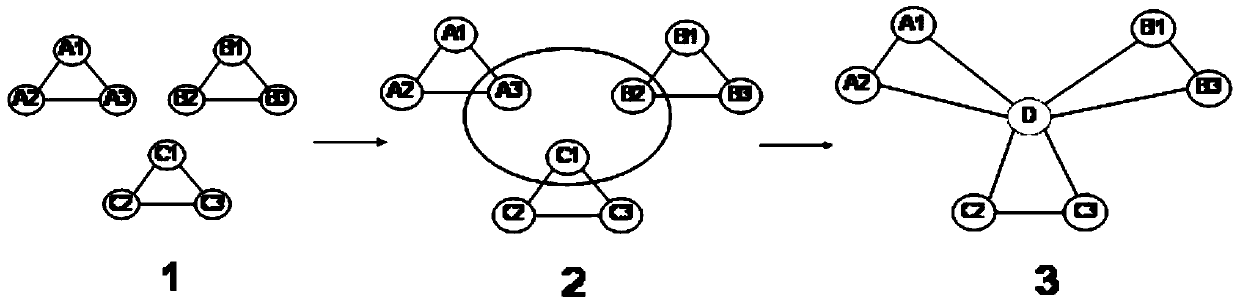
Figure 2 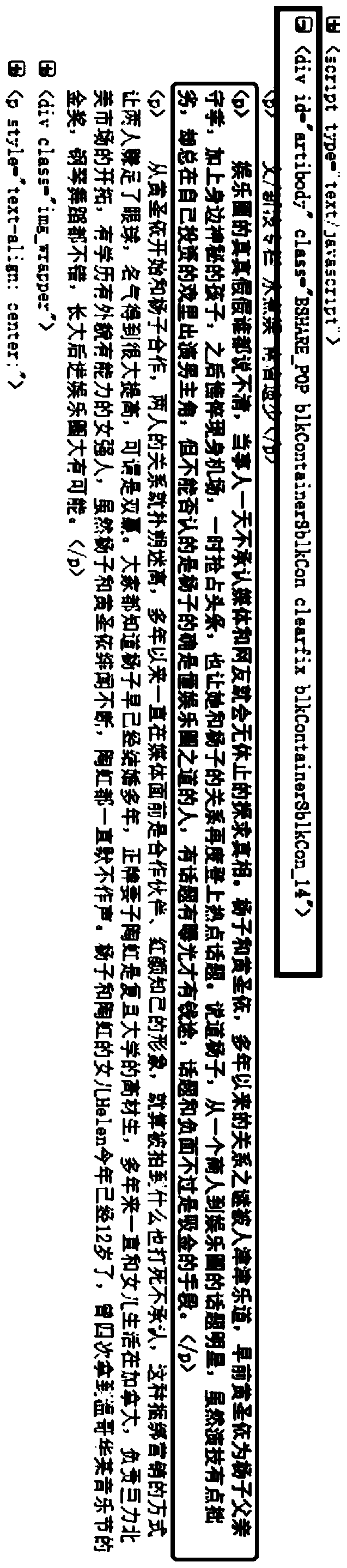
Figure 3
Abstract
Description
technical field
[0001] The invention relates to a cross-media retrieval method, in particular to a cross-media retrieval method based on visual features and semantic features. Background technique
[0002] In the era of big data, data has become a core asset. In business, economics and other fields, decisions will increasingly be made based on data and analysis rather than experience and intuition. Many researchers are trying to mine massive resources in the Internet, such as Web search, social networking sites, forum news, video and picture sharing, etc., to analyze and predict major events.
[0003] However, the information on the Internet is not only huge in scale, but also has four kinds of cross-correlations that are very extensive and intricate:
[0004] (1) Cross-correlation between Internet web pages
[0005] (2) Cross-correlation between different types of data
[0006] (3) Cross-correlation between interactive information in the process of user retrieval [000...
Examples
Embodiment Construction
[0061] A cross-media retrieval method based on visual features and semantic features, the method mainly includes the following steps:,
[0062]The first step is to use the secondary developed distributed web crawler to grab the data of the target data source;
[0063] The second step is to write different templates for different data sources, extract information based on templates from web pages, analyze and denoise the data, and store them in the database;
[0064] The third step is to extract the features of the image, which mainly requires the following steps:
[0065] (1) Extract the color information of the picture, perform fuzzy filtering, and obtain a 24-bin histogram;
[0066] (2) Extract the texture information of the picture, perform digital filtering, and obtain a 6-dimensional edge distribution histogram;
[0067] (3) Combine color information and texture information to generate a 144-dimensional histogram representing image features.
[0068] Then establish a s...